Every foodie told me to eat here in Beijing. I wouldn’t go twice.
Xin Rong Ji (新荣记) on Xinyuan South Road is the Beijing branch with three MICHELIN stars, the flagship of a Taizhou seafood chain that also has branches in Hong Kong. Four of us ordered à la carte and paid a little over ₩1,000,000 in all, about ₩250,000 a head (about US$170, 2026/02). The mantis shrimp in liquor was the best of its kind I’ve ever had, and the stir-fried cabbage was great. The char siu, the braised pork and the sea anemone were not. Would I go back? No. I don’t recommend it.
monster gourmetFrom my 2026/02 video
- My share
- ₩250,000
- about US$170, a head, four of us à la carte, a little over ₩1,000,000 in all, 2026/02 video
- Highlight
- Raw mantis shrimp in liquor, and the stir-fried cabbage
- Skip
- The char siu and the sea anemone
- Video
- 8:54
- 2026/02
- Where
- Chaoyang, Beijing
Xin Rong Ji, the place everyone sends you in Beijing
When I asked foodie friends, overseas and Korean, what to eat in Beijing, they all said the same place. Xin Rong Ji. Even people who look down on Beijing food make an exception for this one.
It’s a chain. Beijing alone has about three, and there’s one in Hong Kong too. The one I went to is the MICHELIN one: Xin Rong Ji on Xinyuan South Road, in the Genesis Beijing east tower in Chaoyang. The MICHELIN Guide lists it with three stars and calls it the flagship, Taizhou cooking with fish from the East China Sea (checked 2026/11).
My verdict, up front. Four of us, à la carte, a little over ₩1,000,000 in all (about US$690, 2026/02). Some dishes were great. Overall it was disappointing, and I don’t recommend it.
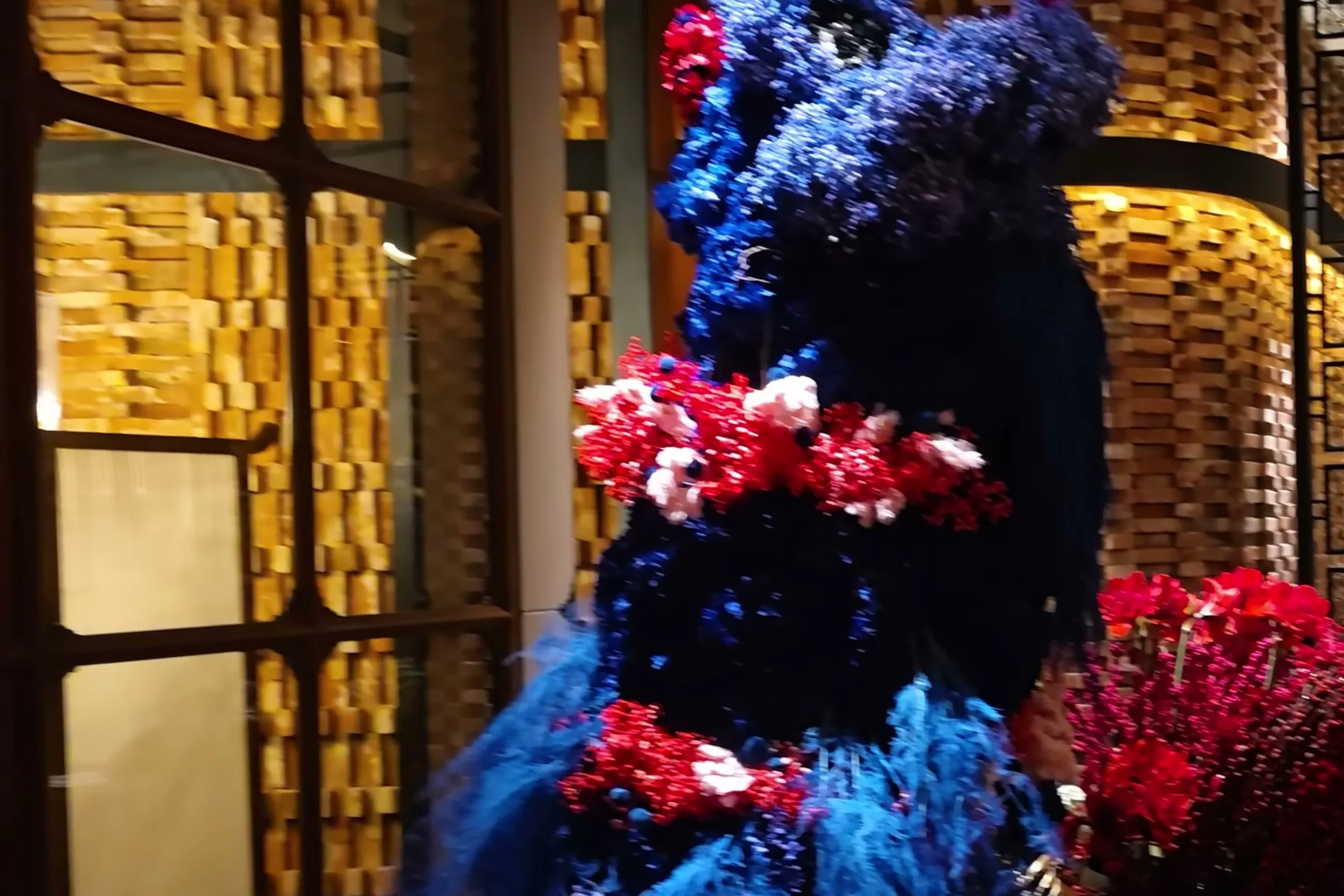
You point at the fish you want
It’s huge inside. Walking in, someone was cutting up pigeons. Then there’s this room that looks like an aquarium or a museum, but it’s the restaurant’s pantry. One look at what’s in there and you know it’s Chinese food.
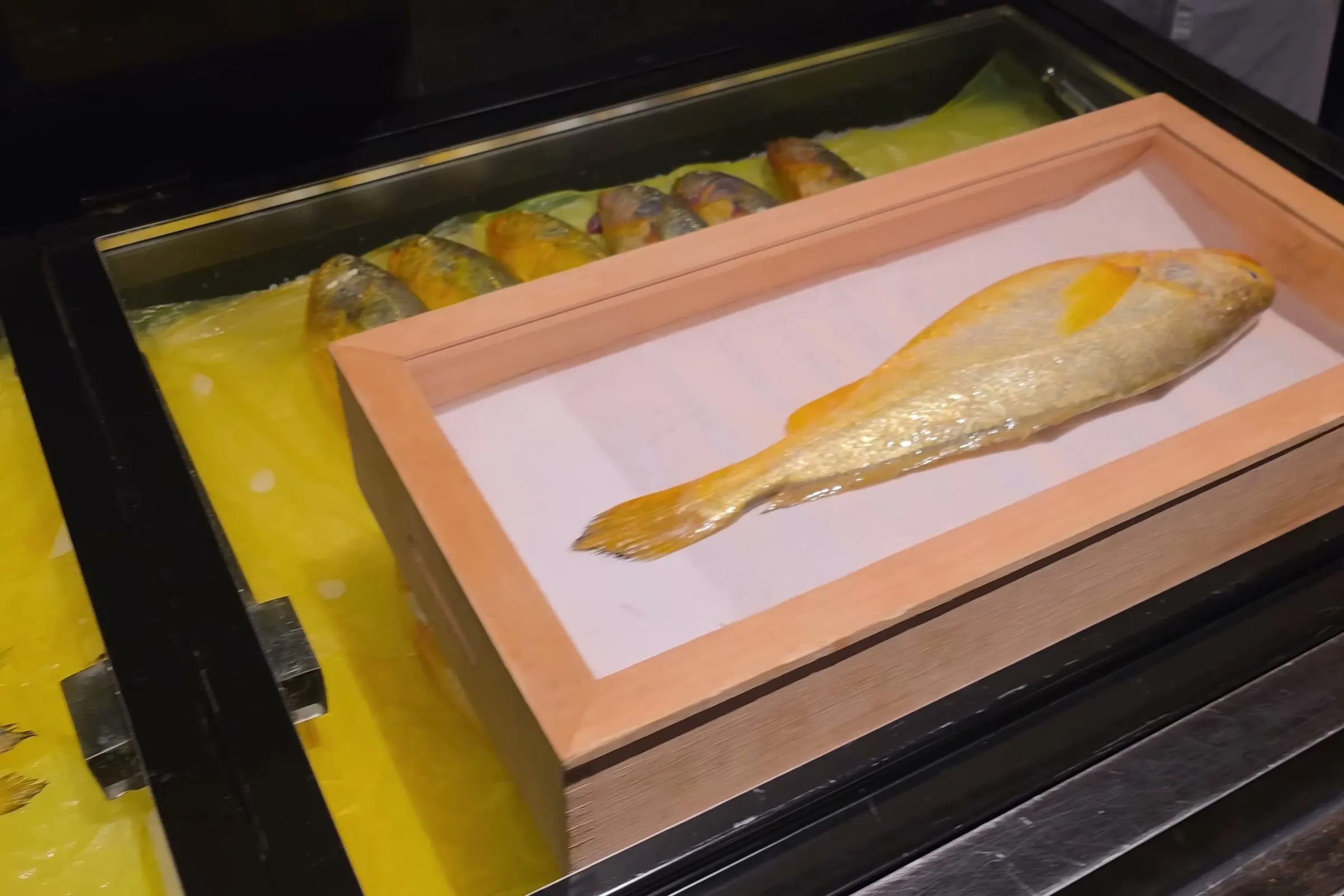
You can order in many ways. A normal course, single dishes off the menu, or you walk into the pantry and point. The same fish comes in different sizes, so you pick the one you want and say how to cook it.
One of the signatures is braised yellow croaker. The size matters a lot for the price. The one there that day was on the small side, so it was cheaper. My friend has been here a few times, and the most expensive one he’d seen was 20,000 yuan. For one croaker. He worked that out at about ₩4,000,000 (about US$2,760, 2026/02).
The kitchen isn’t behind a wall. It’s open, split into stations like a hotel buffet. One station was obviously the Peking duck. I’d already had Peking duck at lunch, so we skipped it here.
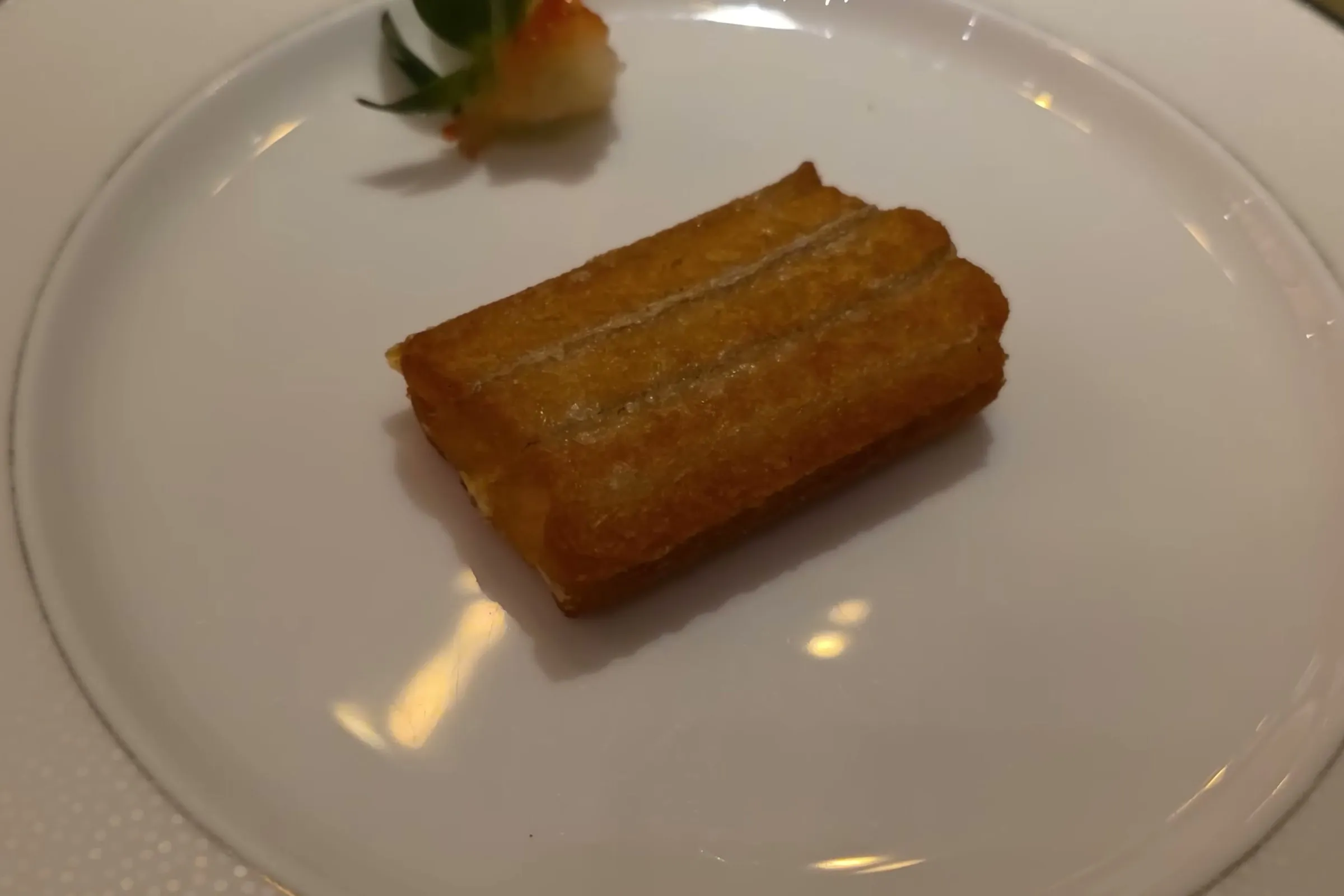
Fried hairtail, with every bone left in
We ordered single dishes, a mix of the ones people told me I had to try, my friend’s favourites from his visits, and the ones the people he’d brought before liked. Then the plates just came, in no particular order.
First I tried the fried hairtail. It tastes good. It’s the good fried hairtail flavour we all know. The fish was thin next to the meaty ones we get in Korea, though.
What annoyed me: this is a three-star restaurant, and not a single bone was taken out. Come on. Most ordinary places that serve hairtail at least take out the bones along the side.
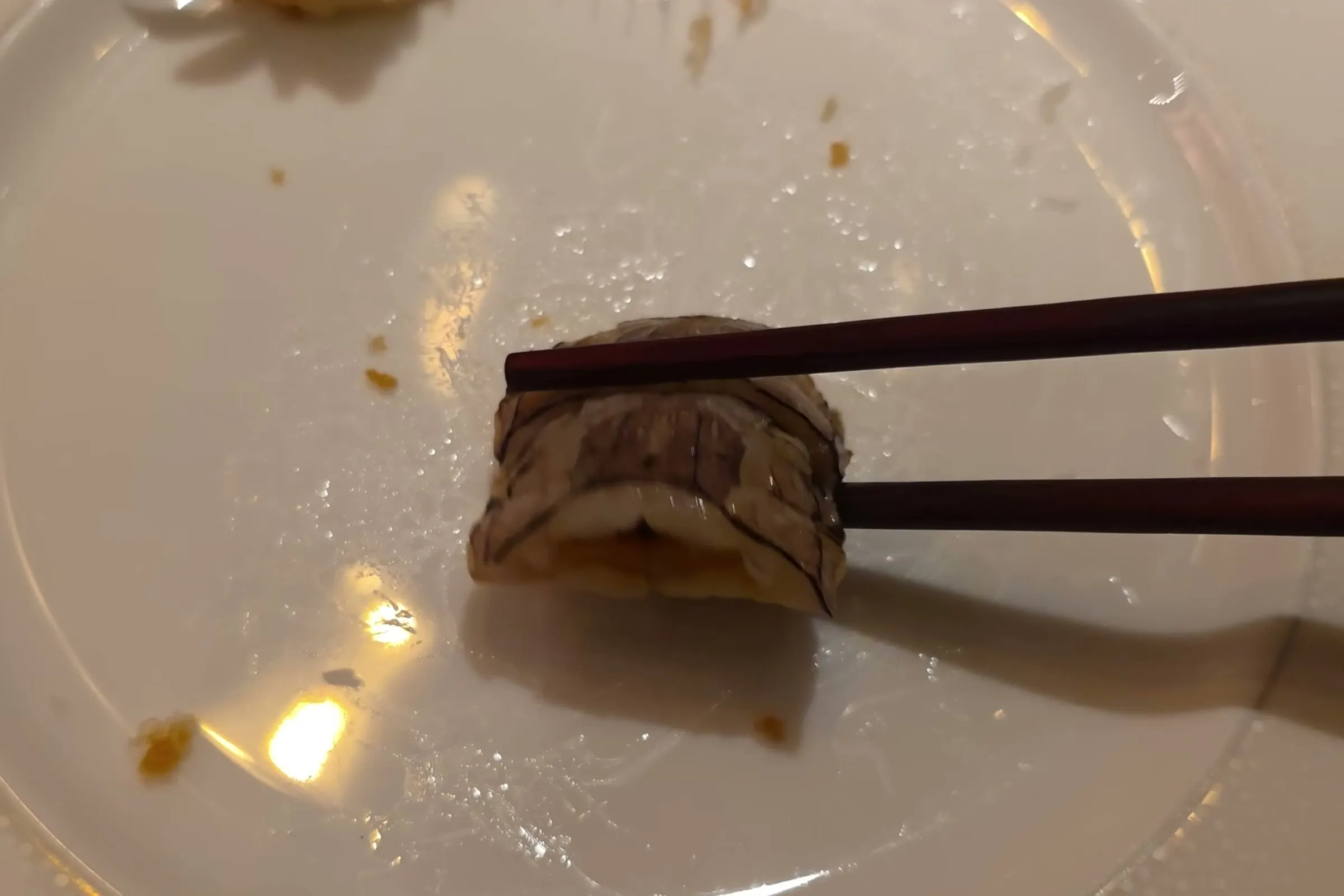
Raw mantis shrimp in liquor, the best of its kind I’ve had
This was one of the dishes people told me to order. Raw mantis shrimp steeped in Chinese liquor. You book it ahead, and when we booked they asked what size we wanted. We went fairly big.
Single dishes at Xin Rong Ji are cheaper than you’d guess for three stars. This one was the exception, it’s pricey.
I’ve had raw shellfish cured in alcohol plenty of times, a lot of it in Japan. I don’t usually like that kind of thing. I’m not even a big fan of soy-marinated crab. But of all the dishes of this type I’ve eaten, this was the best in my life. The aroma is something else.
Char siu below street barbecue
Next came the char siu, and the gap with what I eat in Hong Kong was big. This isn’t a Cantonese restaurant, it’s Taizhou cooking, so maybe that’s why.
Either way, the glaze had no flavour and the meat wasn’t good. Forget the famous barbecue places. It was well below the roadside barbecue stalls you eat at on the street.
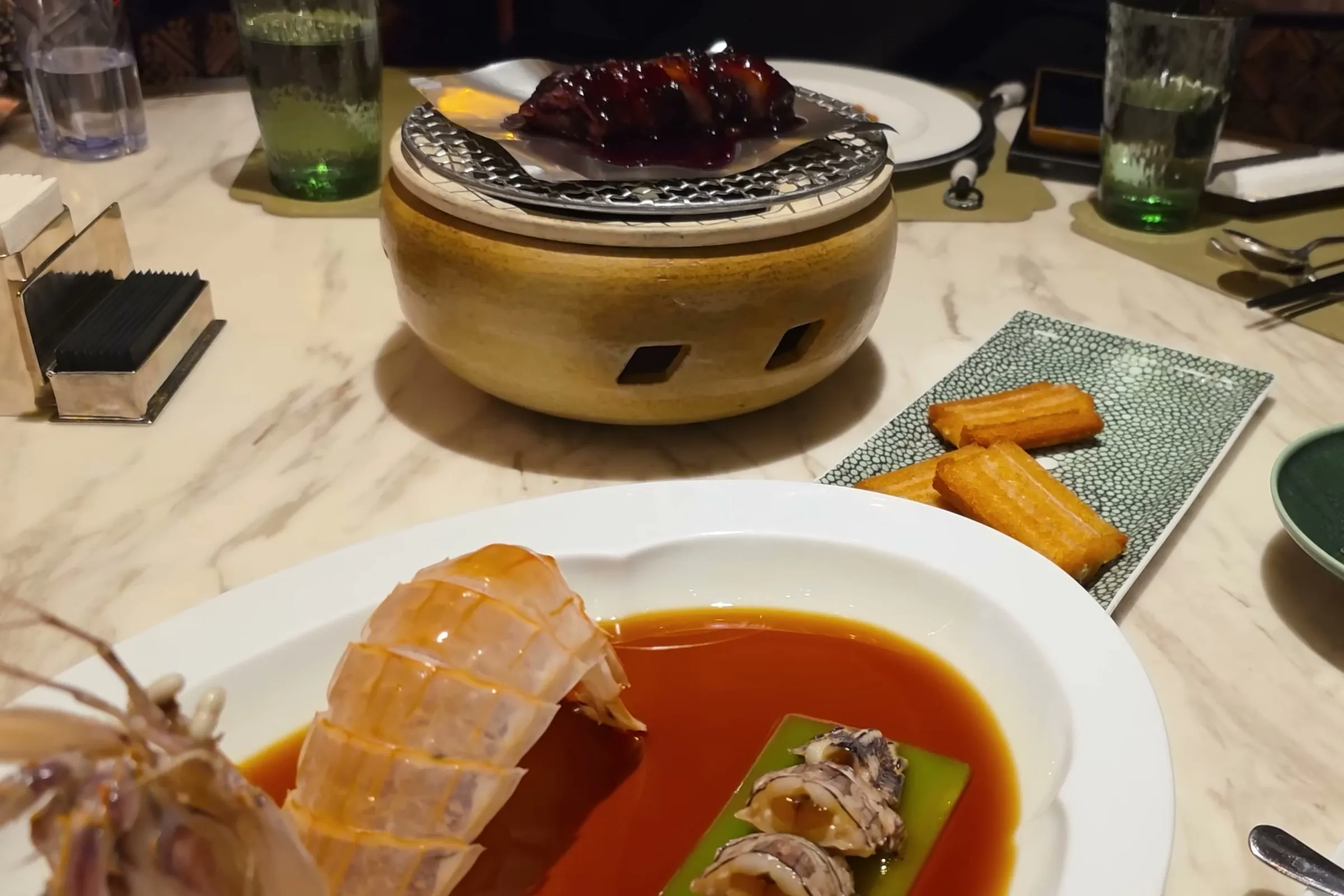
Honey sweet potato in the middle, then the pigeon I insisted on
Then honeyed sweet potato. The order of dishes is strange. In Beijing they put fruit on the table before the meal, so I’d already had strawberries, and then halfway through the meal comes this very sweet sweet potato. As a dessert it would be polished and delicious. I just kept thinking, why now?
The packet that came with it was gloves, for the pigeon. I love pigeon, and Xin Rong Ji’s pigeon is supposed to be famous, so I pushed it onto the order even though nobody else wanted it.
It is good. Better than any pigeon I’d had in a while. But, hm. Is it that good?
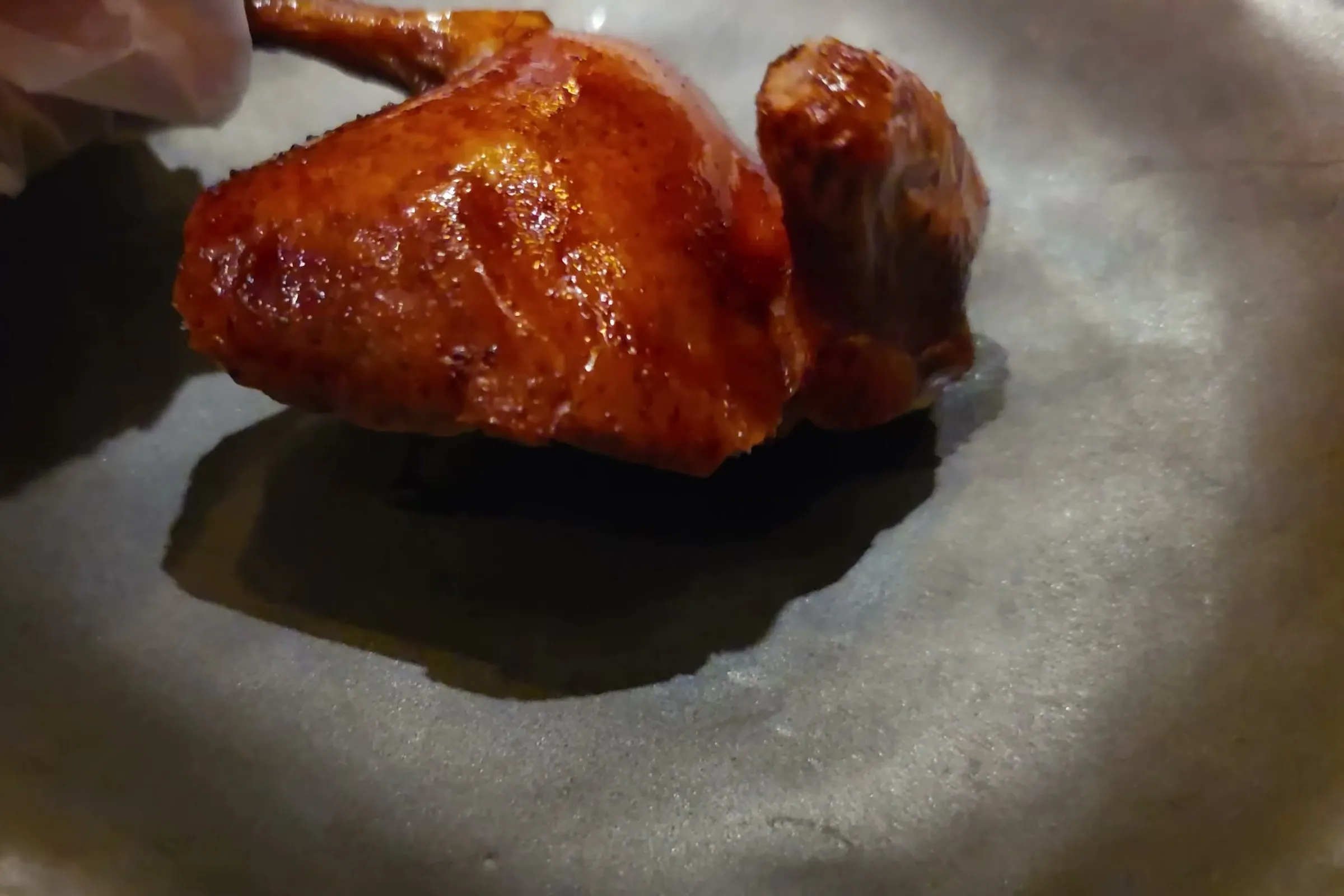
Croaker and fish maw soup that tastes like tteokguk, and the pomfret tip
This was the other dish I was told to order, along with the mantis shrimp. Yellow croaker soup with fish maw in it. It doesn’t just look like Korean rice cake soup, tteokguk made with anchovy stock. It smells and tastes exactly like it. There’s no rice cake, so the texture is different. The fish maw makes it crunchy and chewy.
It’s tasty in an easy way. Tteokguk is tasty even at a snack bar. Two of my friends have lived in China for years but don’t like the local food, they like familiar flavours, and they loved this one.
Then braised pomfret. My friend who’s been here a few times has had the braised yellow croaker. In China, spending big is how you show you’re treating someone, so he ate it, and he says it was fine. Not something he’d pay for with his own money. The pomfret version has the same sauce, and he likes it better because the fish is softer. Since then he always orders the pomfret. That’s the tip I’d keep from this meal.
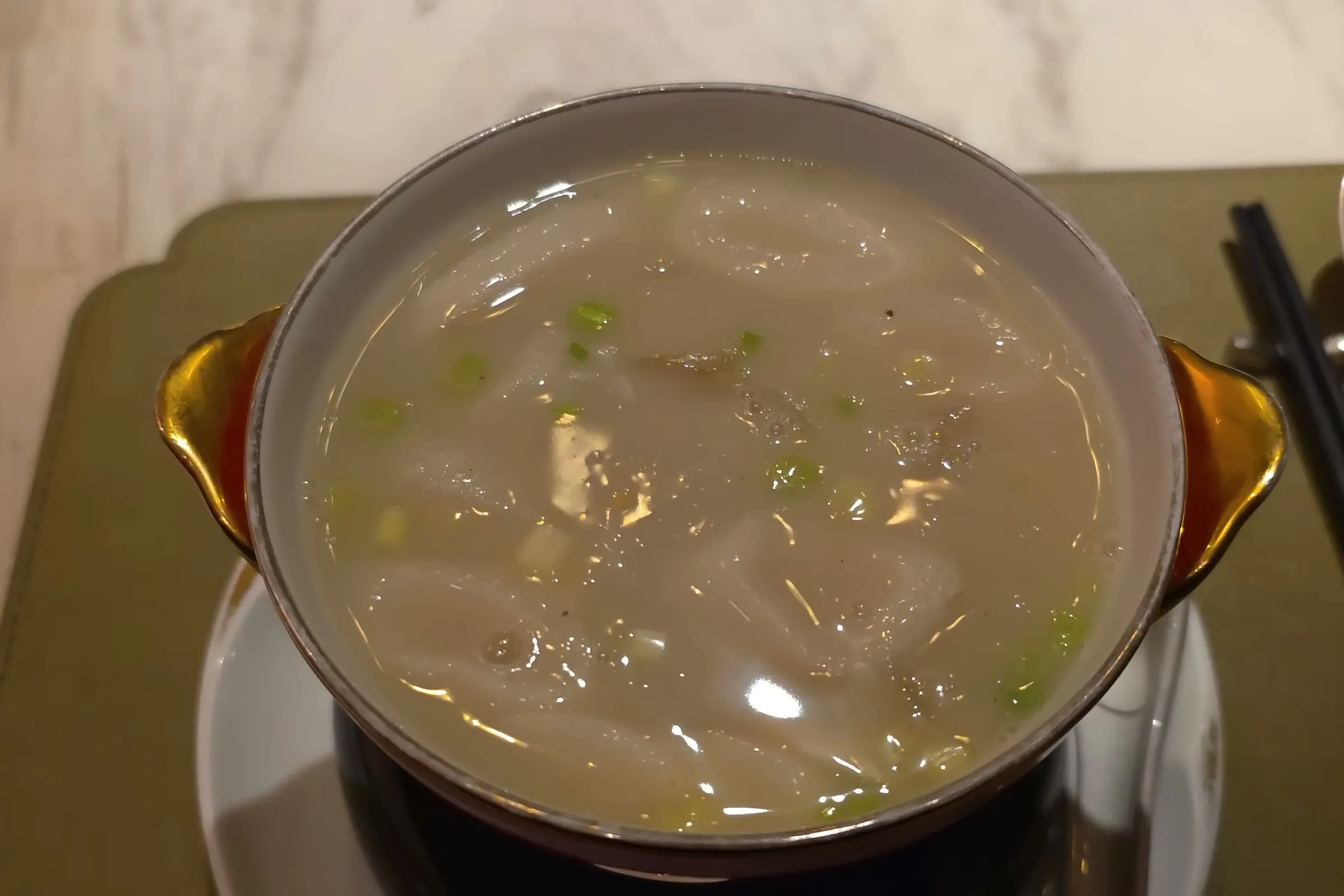
Red-braised pork with abalone, too strong to eat without rice
This one looks like nobody could dislike it, and it made me want rice, so we ordered rice. Apparently people in Beijing don’t eat much rice with dinner. Red-braised pork with abalone. They took some from the platter and cut the pork and abalone to the same size for us.
I love dongpo pork and red-braised pork. The wobbly texture, the sweet and salty glaze. But this one, I kept thinking, how do you eat this without rice? The seasoning was that strong. Of the sweet and sour, the sour stood out, and when a salty dish has a sharp sour edge it tastes even saltier.
The abalone was softer than I expected. The pork was less soft than I expected, not that falling-apart texture even canned dongpo pork has. My friends who live in China said the same: all of this is food that wants rice, yet people here barely eat rice. They eat more noodles, and noodles or rice only come at the end to fill up.
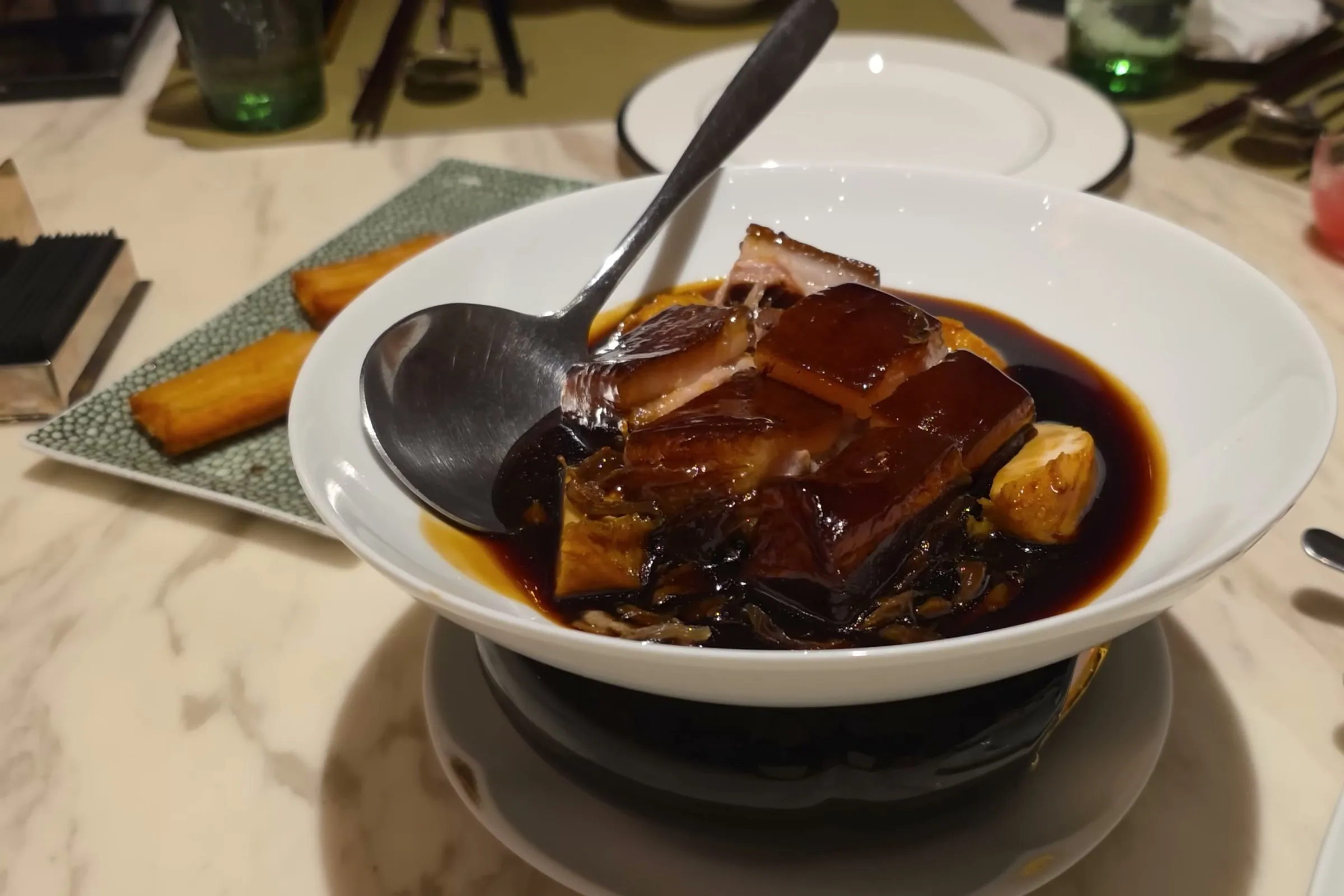
Stir-fried cabbage, the best thing on the table
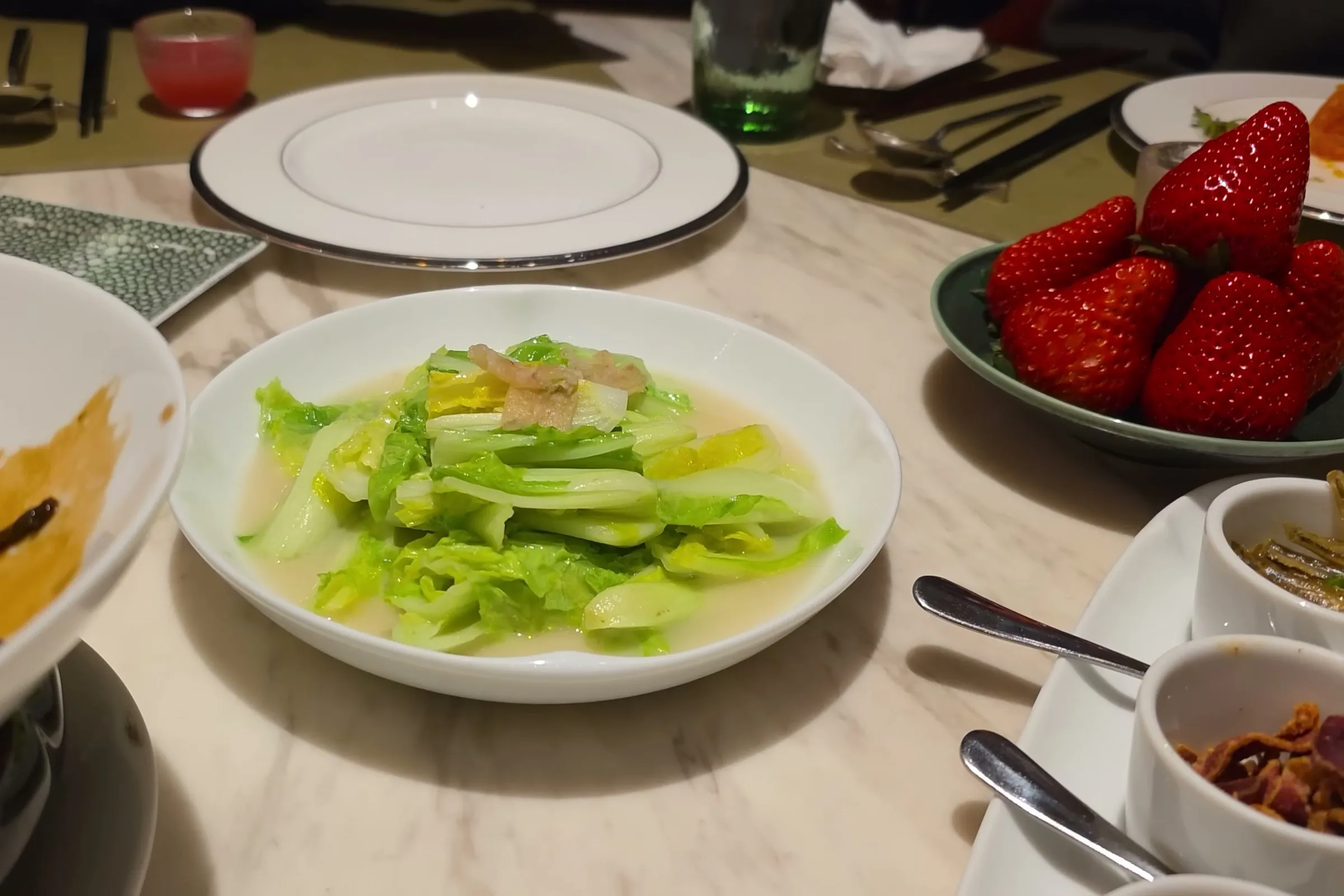
Then stir-fried napa cabbage. This is real rice food. Good seasoning, cooked just right, really delicious.
Of everything I ate at Xin Rong Ji, this was the best. Beijing is good at vegetables.
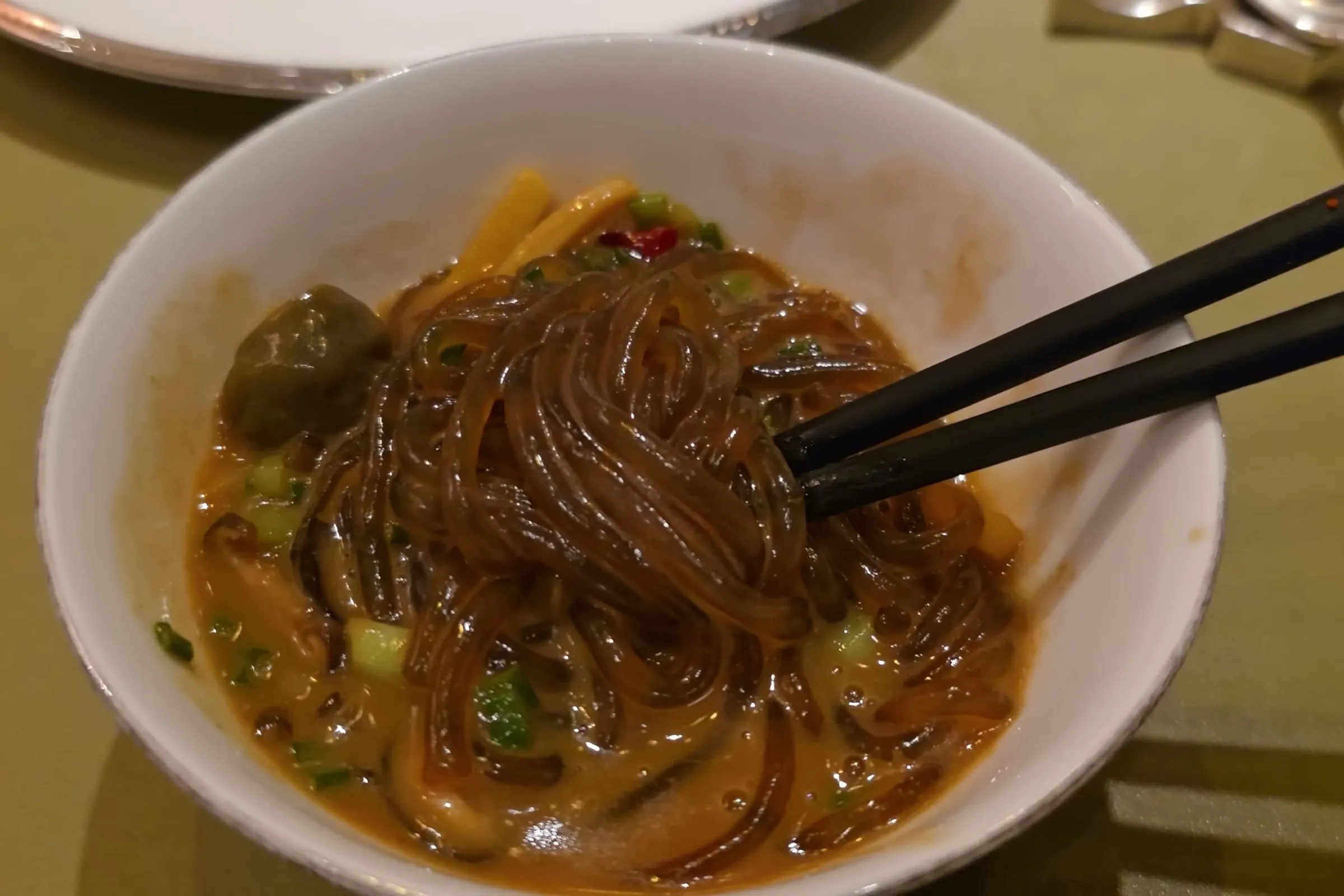
Sea anemone, my mistake
This one an overseas friend recommended, and I shouldn’t have ordered it. They said it was sea anemone. The glass noodles have little tentacle shapes, so for a second I thought the noodles were the anemone. Luckily those were just glass noodles.
The round things on the side that look like mushrooms, those were the anemone. I didn’t notice anything while eating the noodles. Then I ate one of those, and it had a funky smell. I couldn’t eat it.
A crab bun, an egg and chive pancake, and an orange
Look at the dishes my friend chose and they’re all things no Korean would dislike, the fried hairtail included. Next was a crab bun: the thick, bready kind of Chinese bun, with pork and crab inside, the crab oil colouring everything. Dumplings always make me want tteokbokki to dip them in.
Then a flaky pancake filled with egg and chives. The same taste as the ones I’ve bought from street stalls in Seoul. My friend has lived in China for years and still can’t eat cilantro, so his picks are milder and more familiar than Korean food.
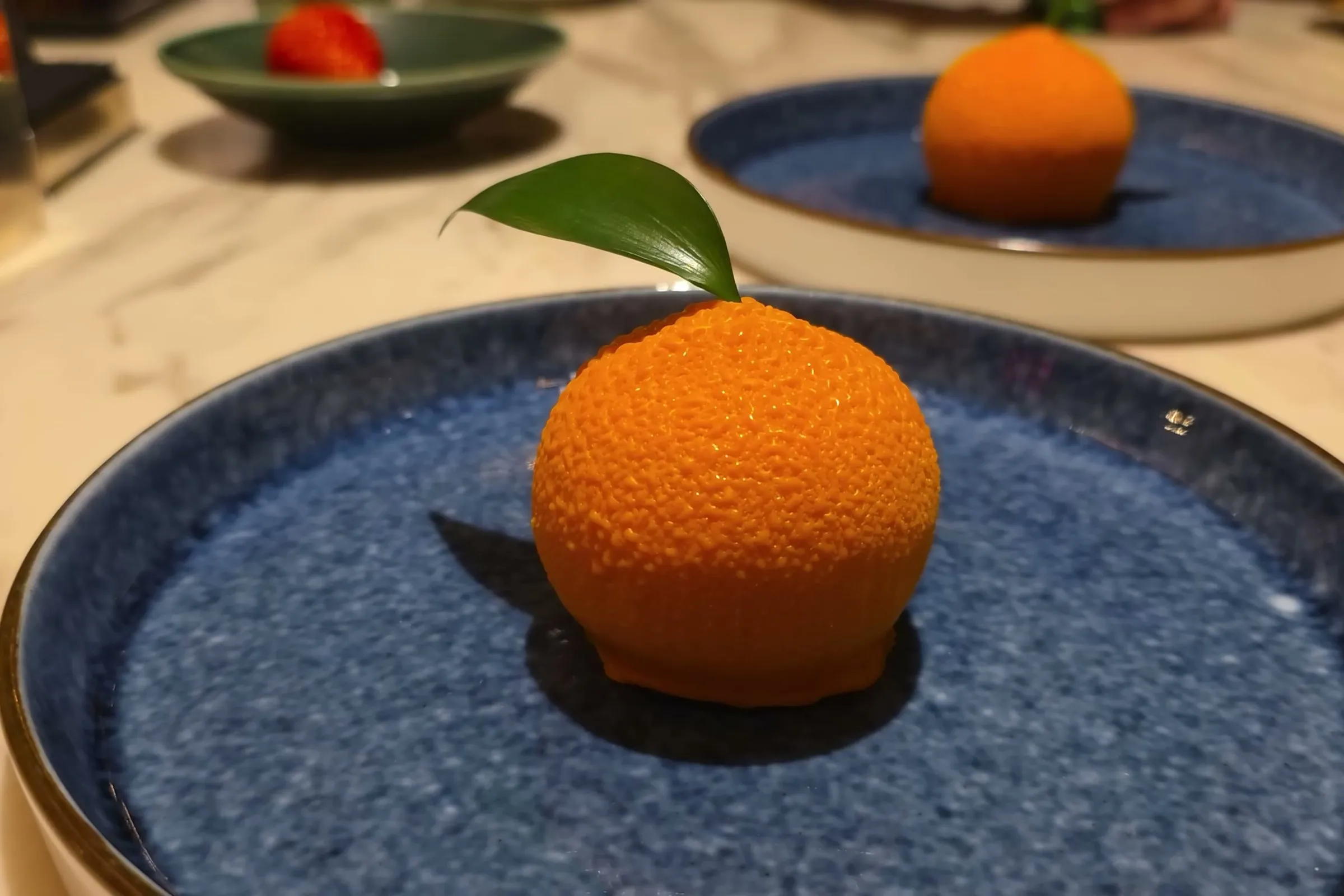
Dessert was an orange: an orange-shaped shell, a thin chocolate coating painted to look like peel, and orange mousse inside. It tastes like orange. Hard to get that wrong.
A little over ₩1,000,000 for four
2026/02 video
Four of us, à la carte, a little over ₩1,000,000 in all, so about ₩250,000 a head (about US$170, 2026/02). Look at the line items and most prices are better than you’d expect. The pricey ones were the mantis shrimp and the fried hairtail. The big croakers from the pantry can cost far more, so check the price before you point.
Would I go back
No. The expectations were high, three stars and everyone telling me to go, and overall it disappointed me. The mantis shrimp and the cabbage were great and the pigeon was good. You’d think it’s good value for three stars, but I don’t recommend it. I don’t see a reason to go twice.
How to book
How I booked
We booked ahead. When we booked they asked what size of mantis shrimp we wanted, so that dish was ordered with the table.
- Phone the restaurant
The restaurant takes its own bookings: +86 10 6501 5501, open every day 11:30 to 14:00 and 17:30 to 21:00, cards accepted (MICHELIN Guide, checked 2026/11). À la carte or a set course. The fish in the pantry are priced by size, so ask before you point.
Checked 2026/11. Booking rules change, so look at the official page before you go.
Where it is
- Address
- 1F, East Tower, Genesis Beijing, 8 Xinyuan South Road, Chaoyang, Beijing北京市朝阳区新源南路8号启皓北京东塔1层
Plan the Beijing trip
The boring bits I’d sort before flying, so the eating days stay free.
- Hotels in Beijing*
Pick the room by where you eat, not by the sights. After a long dinner, a short ride back is the real luxury. This place is in Chaoyang, Beijing.
- China eSIM (mainland, Hong Kong, Macau)*
Data for all of mainland China, and it keeps working if you carry on to Hong Kong or Macau.
- Mutianyu Great Wall day tour*
A day out to the Great Wall at Mutianyu, hotel pickup optional, cable car or toboggan as add-ons. Leaves the evening free for dinner.
Links marked * are affiliate links. If you book through them I may earn a small commission, and you pay the same. How it works
More places I have eaten at
All of Beijing →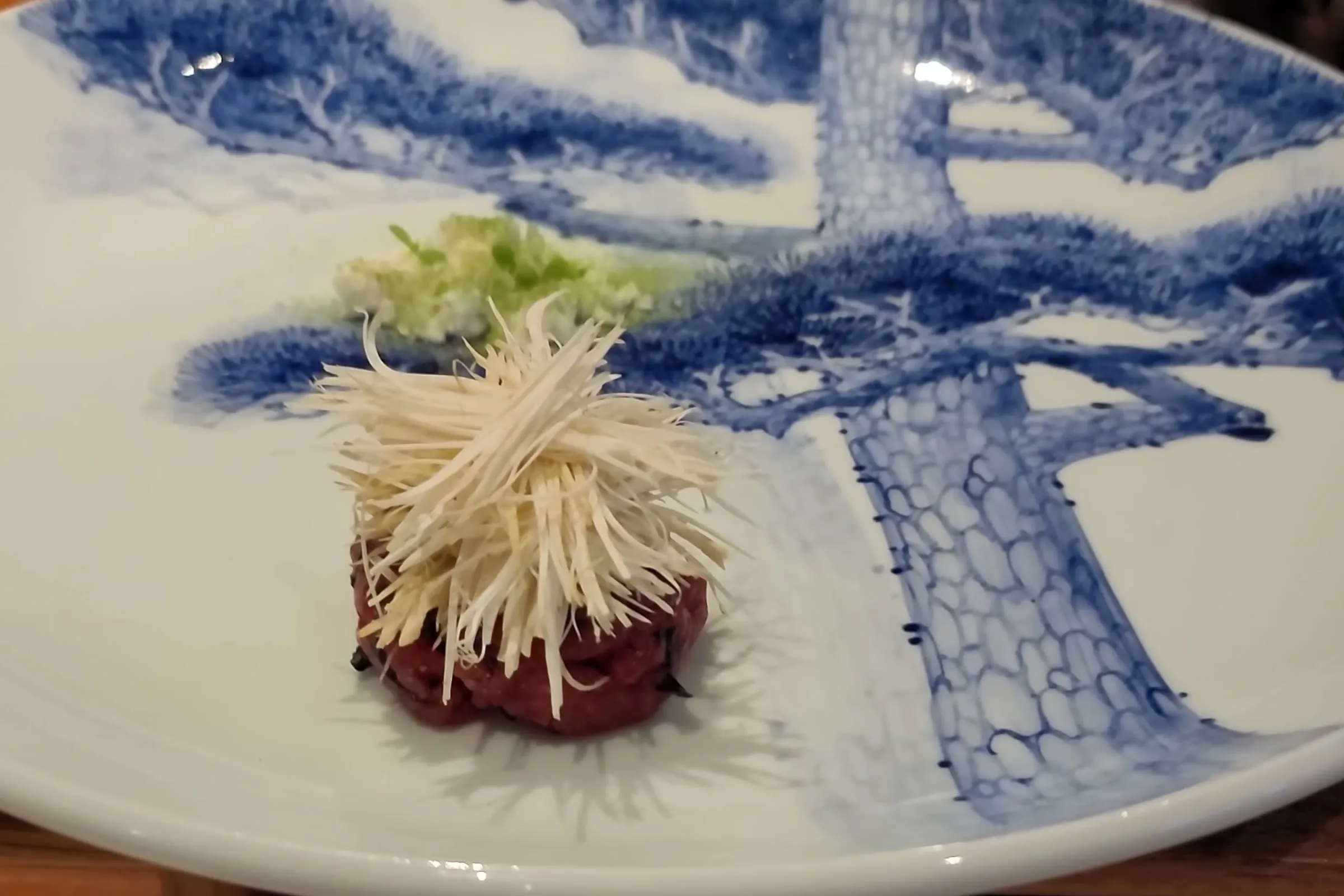 Cheongdam-dong, Gangnam, Seoul
Kwonsooksoo
Two Michelin stars, a tray of drinking snacks, and soybean noodles I didn’t want to like.
₩219,000 2020/09 video Banthat Thong, by Chulalongkorn University
Jeh O Chula
Bangkok’s tom yum Mama noodle queue. Decent, bold food. Take a number and eat around it.
฿150 2023/05 video Marunouchi, by Tokyo Station
Sézanne
Four Seasons Marunouchi French. Clean, polished, ¥73,000 lunch for three in 2023.
¥24,500 2023/05 videoSources
- Xin Rong Ji (Xinyuan South Road) MICHELIN Guide
- 'Michelin Guide Beijing 2026' Released Beijing Municipal Government