The French omakase in Tokyo with freakishly neat plates
Sézanne is the French restaurant on the 7th floor of the Four Seasons Hotel Tokyo at Marunouchi, a few minutes’ walk from Tokyo Station. I went for lunch with Daniel Calvert in the kitchen: three of us, the shortest menu and one drink each came to just over ¥73,000, about ¥24,500 a person (about US$180, 2023/05). The scallop was the best plate of the day, and a raw oyster dish was close to the best oyster I’ve had, from someone who doesn’t like oysters. The venison was the weak spot. Would I go back? Yes, though I wouldn’t fly to Japan for it. You book on TableCheck. Calvert has since left, and a new chef has run the kitchen since 2026/04.
monster gourmetFrom my 2023/05 video
- My share
- ¥24,500
- about US$180, lunch a person, the shortest menu with one drink each; just over ¥73,000 for three, 2023/05 video
- Highlight
- The scallop in crepe, and the cold oyster risotto
- Skip
- Nothing really. The venison main was the weakest plate
- Video
- 16:05
- 2023/05
- Booking
- Online on TableCheck, lunch Wed to Sat, dinner Wed to Sun. Card guarantee, full charge within 7 days.
- TableCheck
- Where
- Marunouchi, by Tokyo Station
- Tokyo Station, Yaesu South Exit, 4 minutes on foot
Sézanne, the French restaurant at the Four Seasons Marunouchi
A room at the Four Seasons in Tokyo is too expensive for me to ever sleep there. So I went to eat. Sézanne is the French restaurant on the 7th floor of the Four Seasons Hotel Tokyo at Marunouchi, a four-minute walk from the Yaesu South Exit of Tokyo Station.
When I went it was less than two years old, already had two Michelin stars, and had just come second on Asia’s 50 Best Restaurants (2023/05). It kept climbing after that: three Michelin stars in the 2025 and 2026 Tokyo guides, and number one on Asia’s 50 Best in 2024.
Then the kitchen changed hands. Daniel Calvert, the chef who cooked my lunch, left in spring 2026, and Stephen Lancaster has led the kitchen since 2026/04. Press reports in 2026/06 said Michelin had taken the three stars away while it inspects the restaurant again, though Michelin’s own page still showed three stars when I checked. The next Tokyo guide comes out in February 2027. Asia’s 50 Best put it 16th in 2026/03 (all checked 2026/11). So what follows is Calvert’s cooking, not today’s menu.
My verdict, up front. Very polished, very clean, and I’d happily eat it again. I wouldn’t fly to Japan for it, but it’s the first place I’d book when a day opens up between sushi counters.
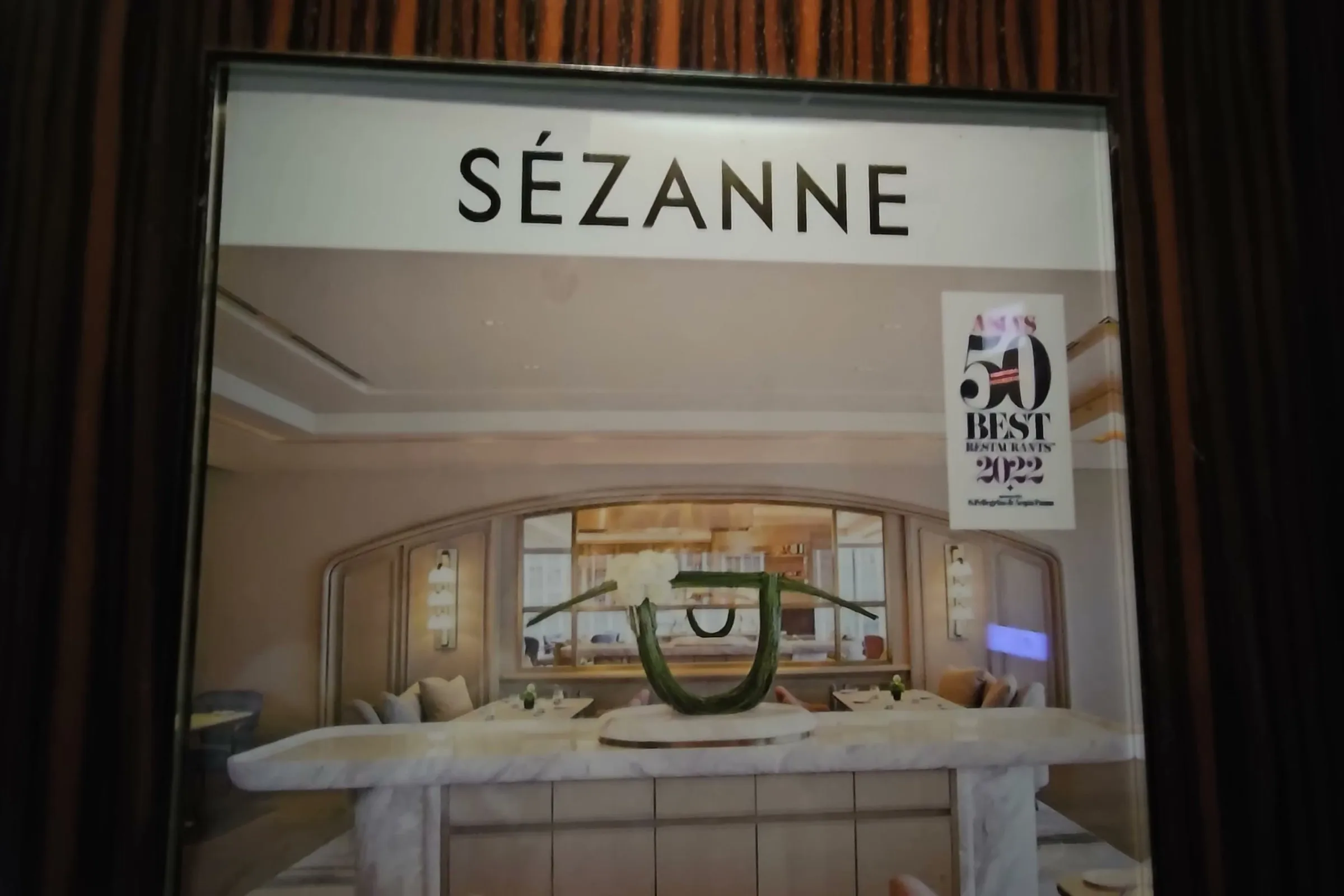
How to book Sézanne, and you don’t need Japanese
Bookings go through TableCheck, which the hotel’s own page links to. Lunch is Wednesday to Saturday, dinner Wednesday to Sunday, closed Monday and Tuesday. Online you can book for 2 to 6 people, and guests must be 13 or older. A credit card holds the table, and cancelling within 7 days costs the full price (TableCheck, checked 2026/11).
Two menus now: the Menu du Jour at ¥27,830, lunch only, and the Menu SÉZANNE at ¥56,925, lunch or dinner, both with tax and service included. The restaurant closes from January 1 to February 9, 2027 for maintenance (Four Seasons, checked 2026/11).
Dress code is smart casual. Men need a jacket or a long-sleeved collared shirt, long trousers and closed shoes. No allergy or diet changes, and if you’re more than 15 minutes late you may not get every course.
Language was no problem when I went (2023/05). One of the managers at reception spoke Korean, and going by the name, I think they’re Korean. Every server spoke English. You can go without a word of Japanese. The wine list is enormous, by the way. I photographed every page, one by one, for anyone who cares about wine at French places in Tokyo.
Daniel Calvert, and the foodies who wouldn’t stop talking about him
I’d come across Daniel Calvert before. He ran the kitchen at Belon in Hong Kong, then moved to Japan to open Sézanne. Even back then his plating looked freakishly neat to me. Edges squared off, everything clean. Lately other chefs I talk to just call him a genius.
I hadn’t paid this place much attention. Then the foreign foodies I chat with on Instagram started raving. One went two days in a row. Another called it the best French restaurant of their life.
These people eat on another scale from most Korean foodies. They travel all year and eat everywhere. They can’t say it out loud, but going by where they eat, I’d bet most of them vote for the World’s 50 Best, and a few sit on OAD’s reviewer rankings. For sushi I don’t trust anyone but myself. For a genre where I have less mileage, I take their word.
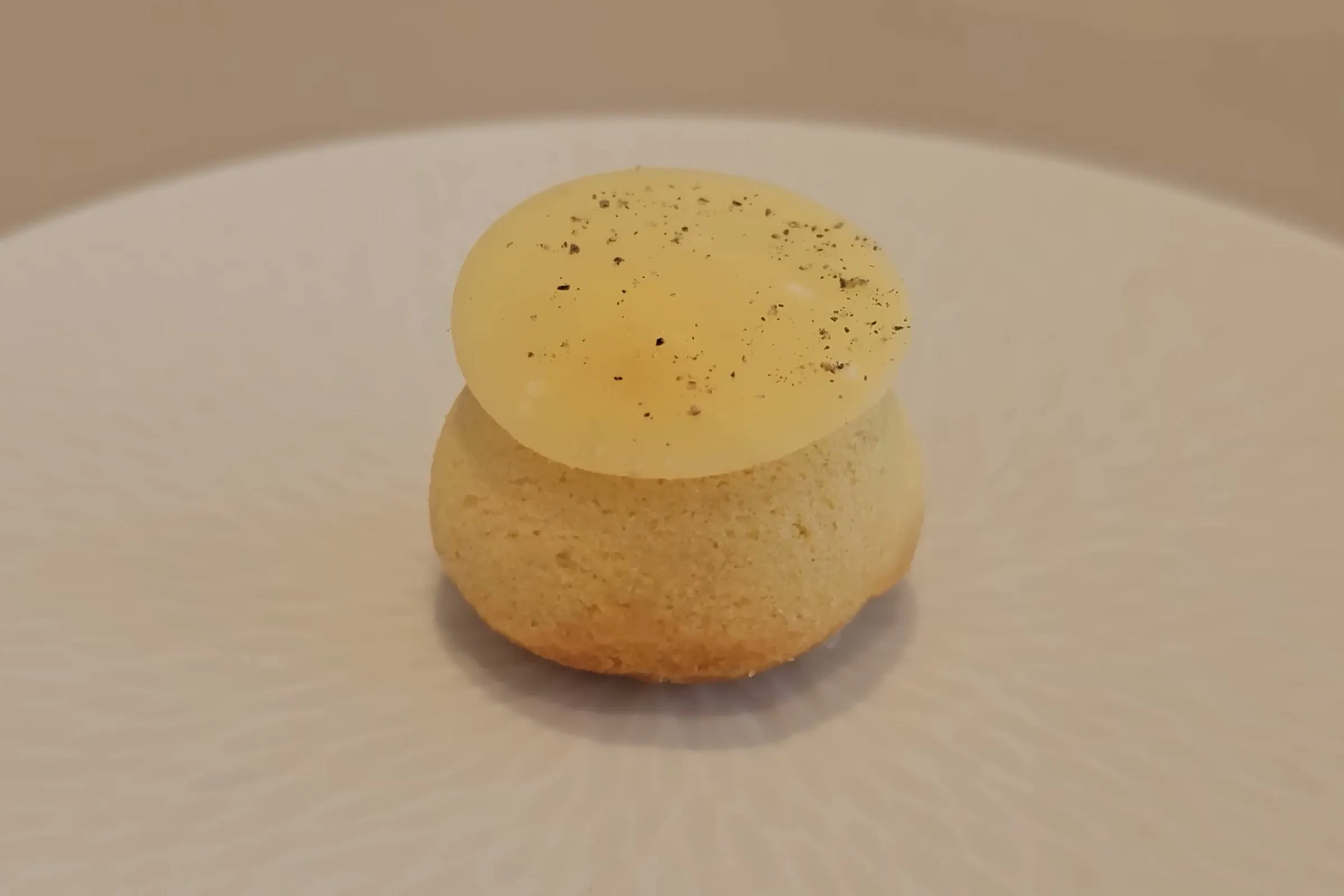
The welcome bite: a choux with 48-month Comté inside and a slice of Comté on top. I tried to bite it in half to show you the inside, failed, and ate it in one go. The cheese ended up on my finger.
No menu. They call it omakase.
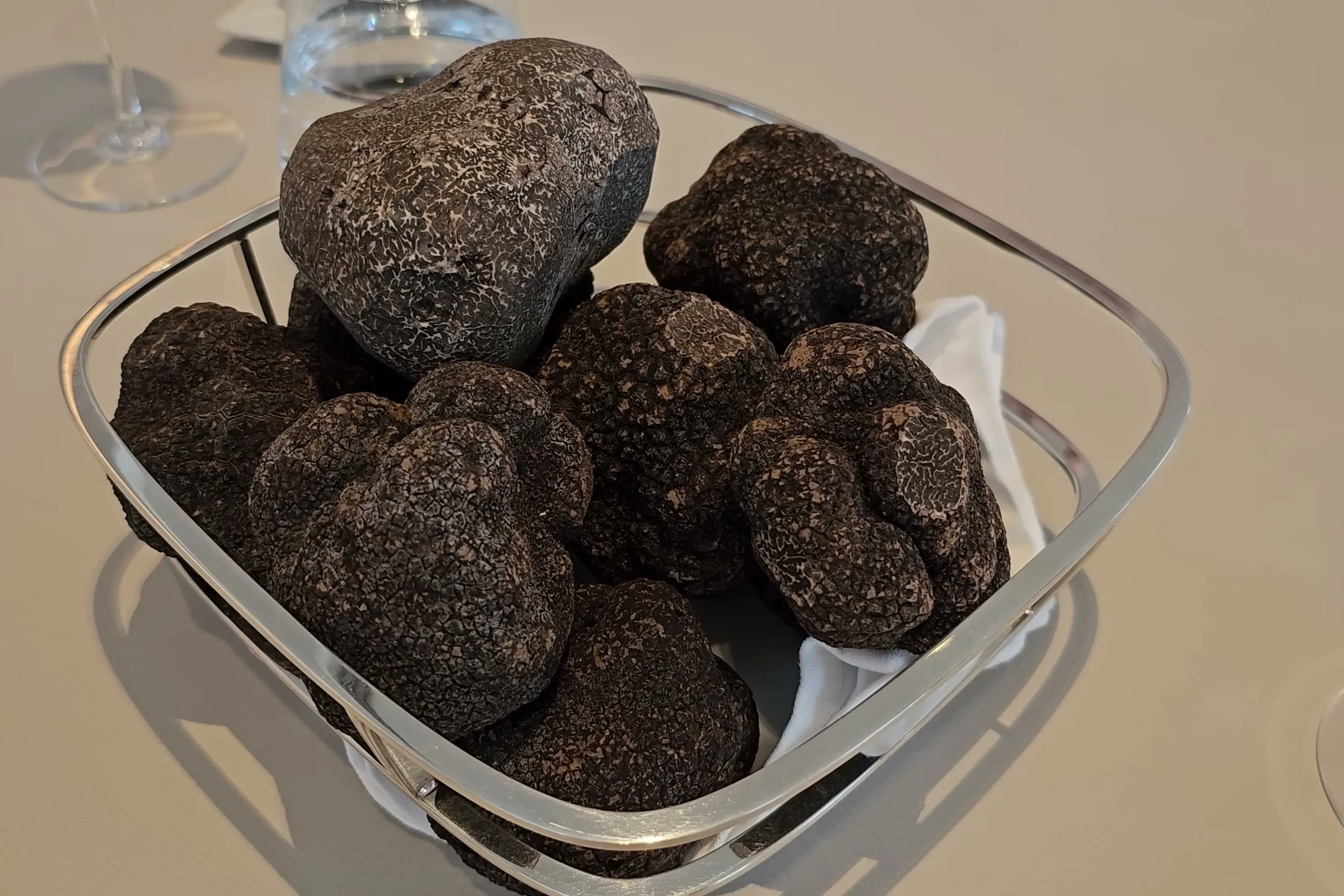
Then a basket of truffles arrived. Is it truffle day today? No. Pay extra and black winter truffles from Montpellier go on a few dishes. The server stirred the basket with a hand and held it under my nose to smell. Very proud of those truffles.
The thing that looks like a menu isn’t one. The server explained that there’s no menu here, it’s omakase. They really used the word, at a French restaurant. Open it and it lists the suppliers and where the ingredients come from, plus the price of each menu.
It was lunch, so we took the shortest one, the Menu du Jour: ¥16,000, or ¥20,240 with tax and service (about US$150, 2023/05). The Menu SÉZANNE was ¥37,950 all in. I had sushi that same night, and the long menu would have been too much food.
Usually ‘omakase’ on anything that isn’t sushi or yakitori annoys me. It’s a set course for the day, so call it a course. Here it made sense. Other tables got different dishes, some in a different order. Regulars, maybe, or people who asked for something when they booked. Either way, they really did serve it like omakase.
Turnip, white shrimp, and the first ‘oh, this is good’
A finger bite first: Hokkaido turnip wrapped in herb butter. Light and fresh, easy to eat. Nothing more than that yet.
This next one is where I first thought, oh, this is good. Between two crisp wafers, a paste made from shiro ebi, the small white shrimp.
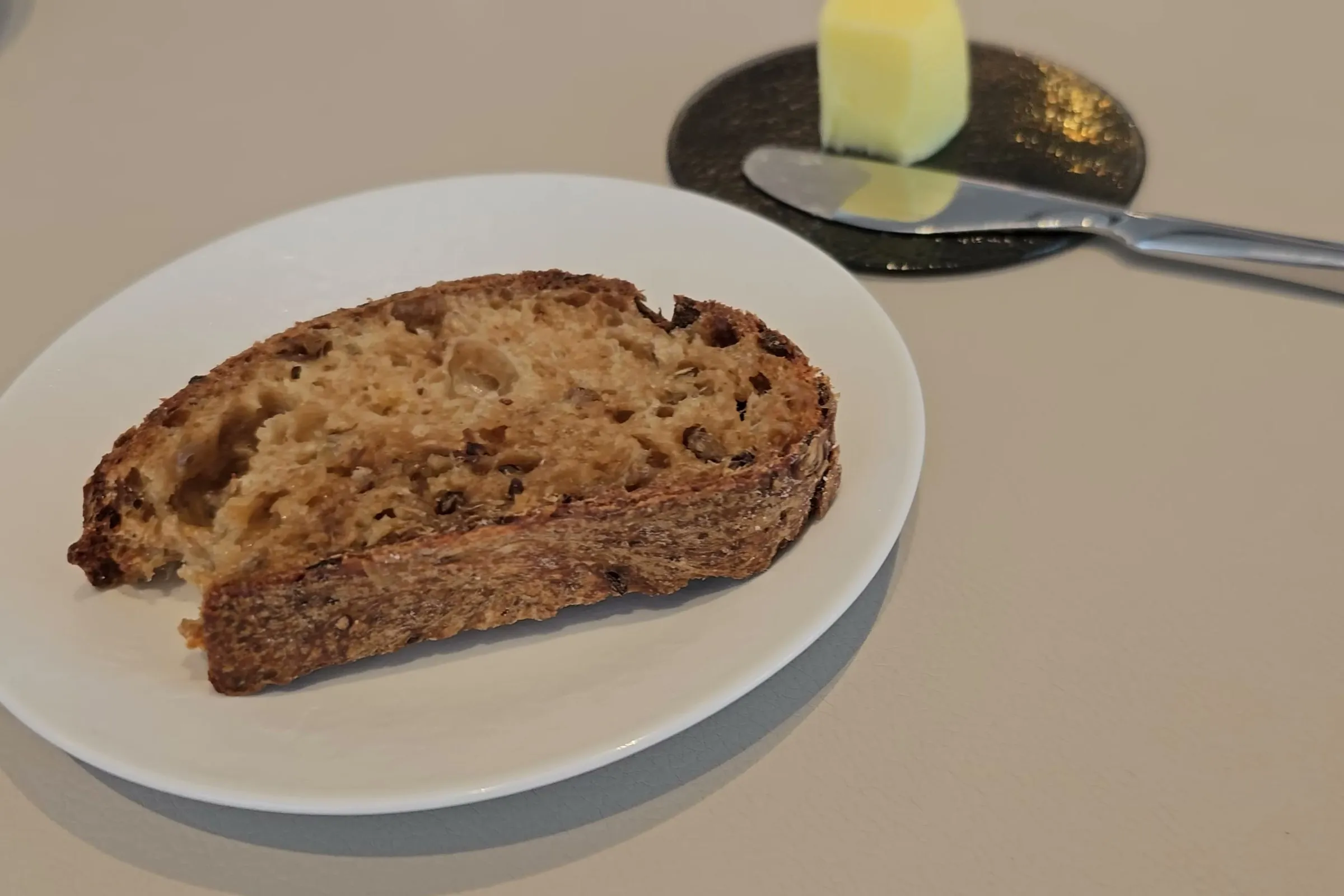
House sourdough with Bordier butter
Butter arrived, so bread probably came around here too. The menu lists Bordier. You may have seen it on YouTube, the ‘king of butter’ from France, beaten by hand with wooden paddles. That’s this butter.
The bread is a sourdough they bake in-house. I didn’t expect much, and this one was good. The crust is seriously crunchy, you could probably hear it. The flavour is deep, a little sweet, very nutty, because there’s shio miso in it.
With that much umami I enjoyed it more, but here’s the catch. The bread is so strong on its own that I couldn’t taste what makes Bordier the king of butter.
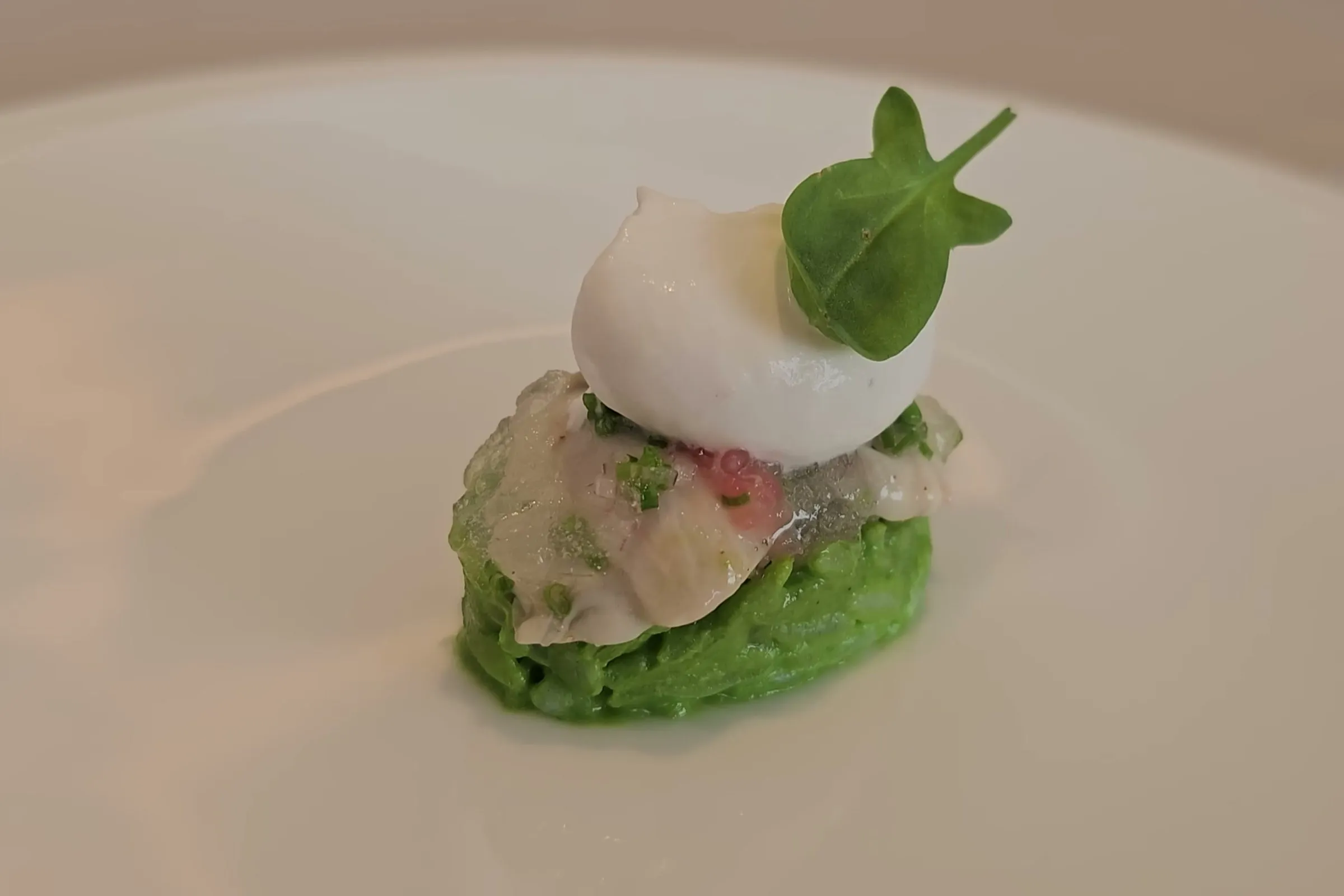
Cold risotto with raw oyster, for three people who don’t like oysters
This one’s unusual: a cold risotto with a raw Hokkaido oyster on top. They said it’s Sézanne’s take on sushi.
We were three, and all three of us dislike oysters. We can eat them, we just don’t like them. So when it landed, a shadow had already fallen over every face at the table.
And I’d say it’s close to the best oyster dish I’ve ever had. The oyster quality is good, of course, but no oyster is good enough to erase the taste that oyster haters pick up. Here the jelly, the foam on top and all the herbs in the risotto hide that, while the creamy, nutty side of the oyster still comes through. They work together.
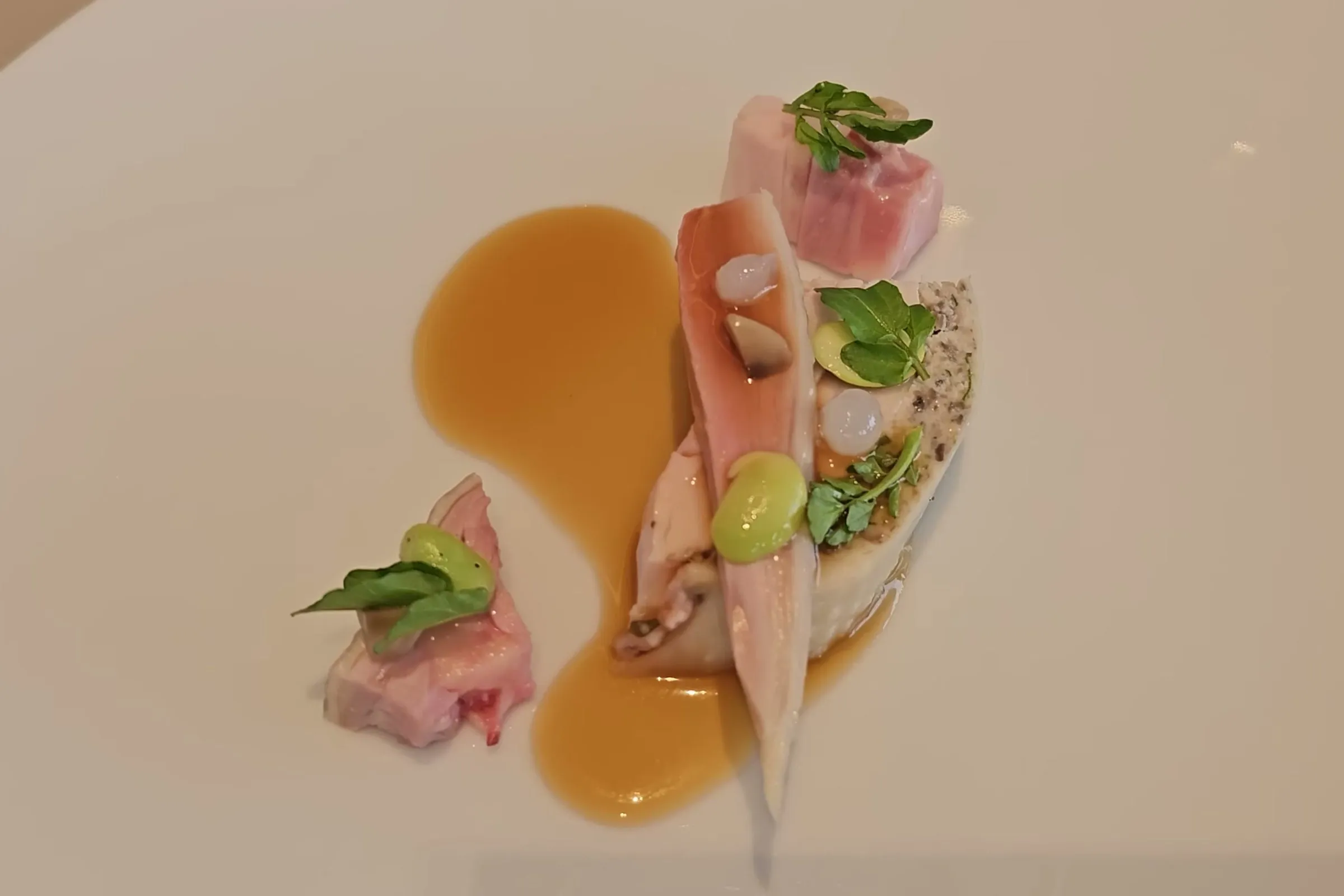
Chicken cooked for a week in vin jaune, served cold
Christofle silver on the table, and then they set down a knife, so meat was coming.
First they showed the whole bird. A chicken put in seven-year-old French yellow wine, vin jaune, and cooked very slowly over a week, they said. As a whole bird it looks like the chicken in a Korean samgyetang, a colour where you can’t tell if it’s cooked or not.
Then it comes as a plate, and this is why I keep calling this chef freakishly precise. The best cuts, breast, thigh and leg, a little of each, the doneness and the squared-off edges. With the breast they’d even made a pâté and slipped it between the skin and the meat. The sauce is the chicken stock and the wine. They pour it over, then leave it on the table so you can add more yourself.
I’ve been lifting for a long time, and ten years ago plain chicken breast was the law at the gym. That made me a chicken breast hater. This breast had the texture of a good thigh. The flavour is subtle. Nothing hits you head on, it’s very clean, and the taste of the meat lingers a little. And it was served cold.
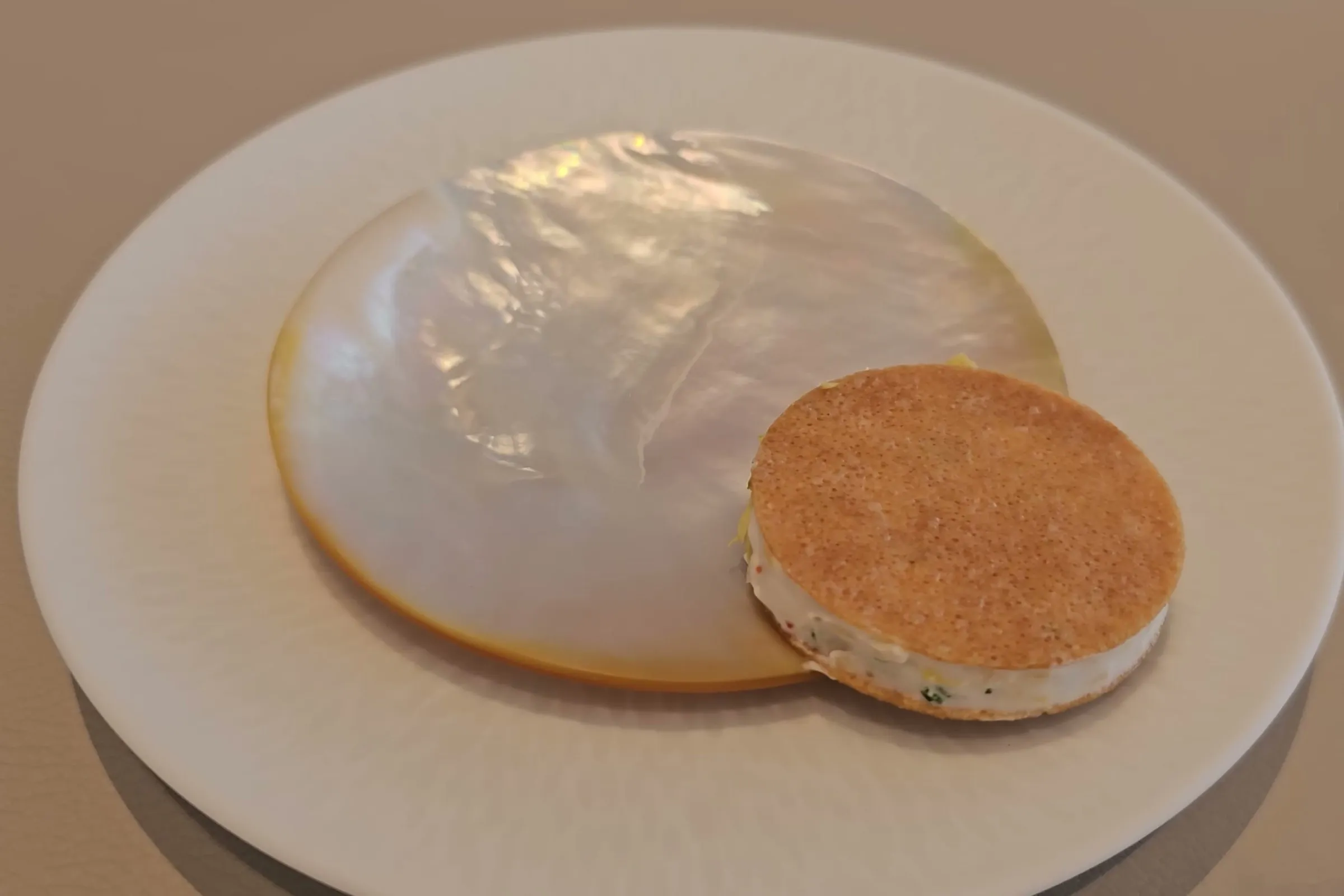
Scallop in crepe, the best plate of the day
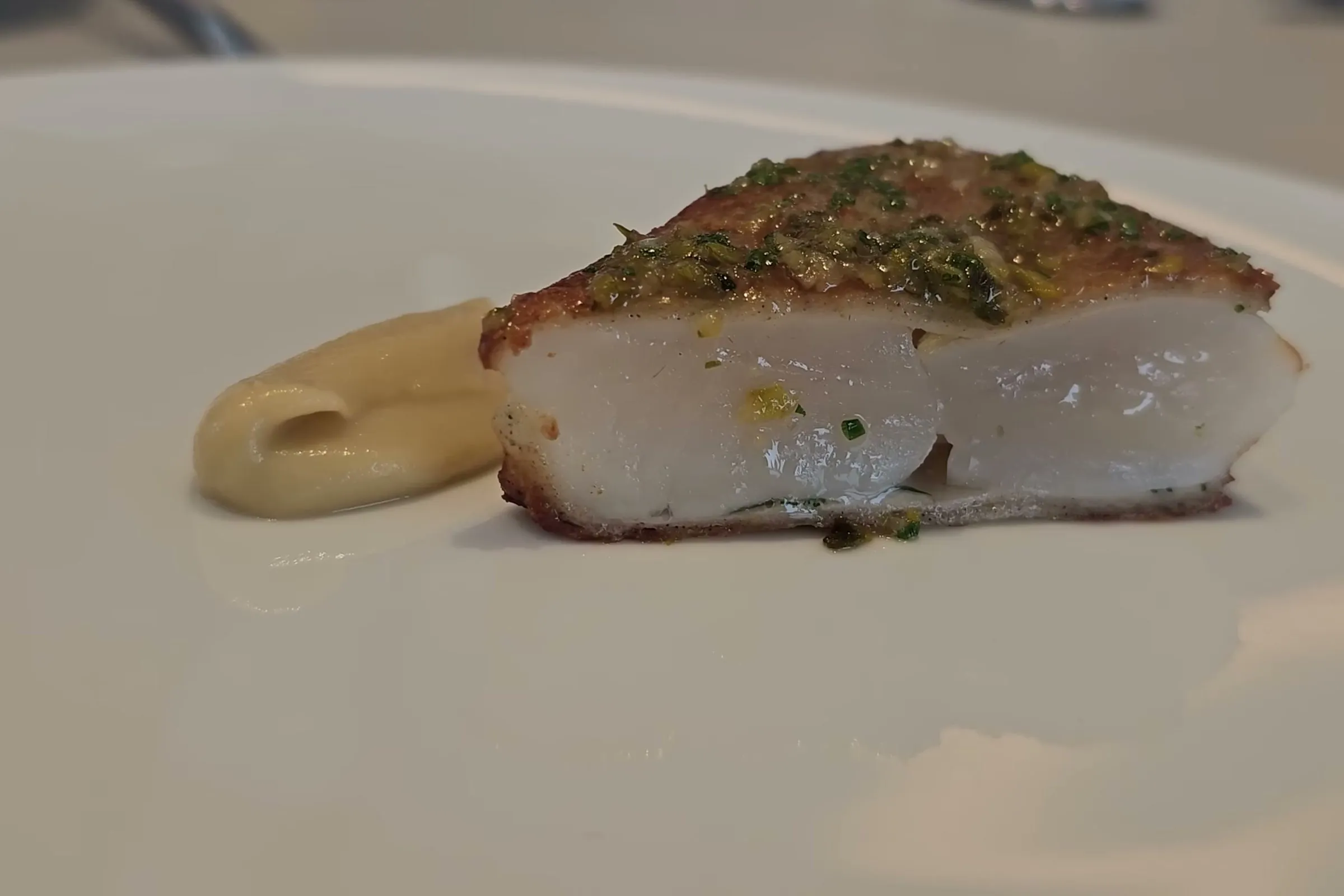
This one hits you with the smell before you touch it. Hokkaido scallop between thin crepes, onion purée on the side.
Look at that cross-section. A scallop that looks like this is rarely bad. And you know the smell a scallop gives off when it’s grilled. I say it and you can already smell it.
The sauce is made from scallop juice and white beer. It reminded me of the bisque that comes with shellfish dishes. It turns up the main ingredient, and of course it goes with it.
About the shots of me cutting with one hand: that’s not a style. My other hand is holding the phone. I just poke at it first, and if it cuts cleanly, the video shows the texture. Usually it doesn’t, and I put the phone down, cut with both hands and film the bite separately. This scallop was my favourite thing that day.
The venison main, where I had my doubts
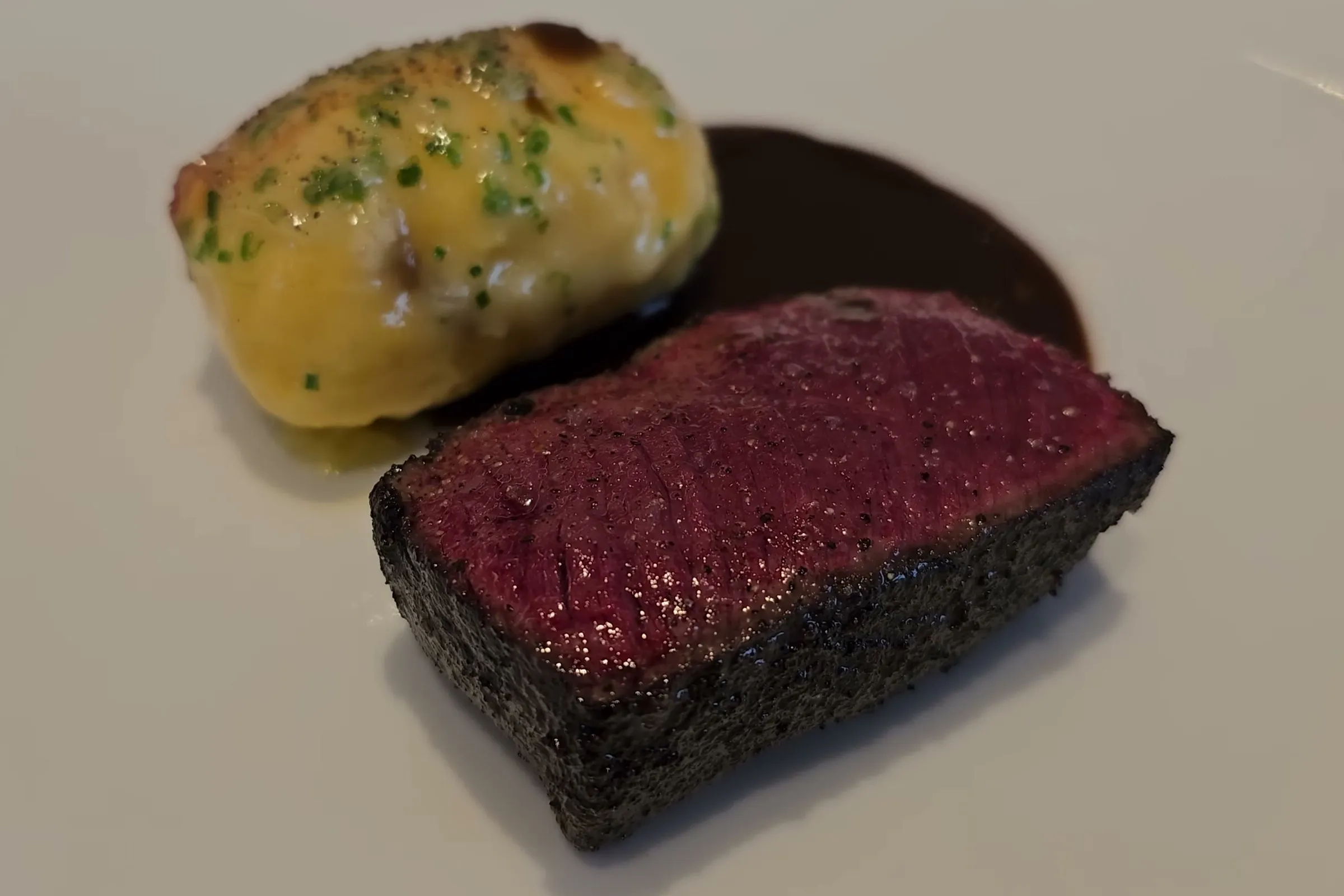
The main was venison, marinated for 18 hours in something I’ve forgotten.
You’d expect venison to taste gamey, that strong wild-animal flavour. But young Japanese venison is, if anything, cleaner than beef. Very little smell, a bit like akami tuna that hasn’t been soy-marinated. The sauce was probably venison and wine, with a little sweetness.
This one you couldn’t cut with one hand. No fat, and it doesn’t look tender. Cut it small, because chewing it makes your jaw ache. With no fat to give it nutty sweetness, I wanted a big meaty flavour, and it wasn’t there. So I have my doubts about this one.
The side was anno imo, a sweet potato a bit like the Korean pumpkin sweet potato, wrapped in lard, which is why my knife bounced off it. A plain wheat bread came too. After complaining that the sourdough drowned out the butter, I barely touched this bread and used it to wipe up the sauce. I was saving room.
Mandarin with the bitterness left in, and a citrus sabayon
They say dessert is the flower of a French meal, and plenty of it came.
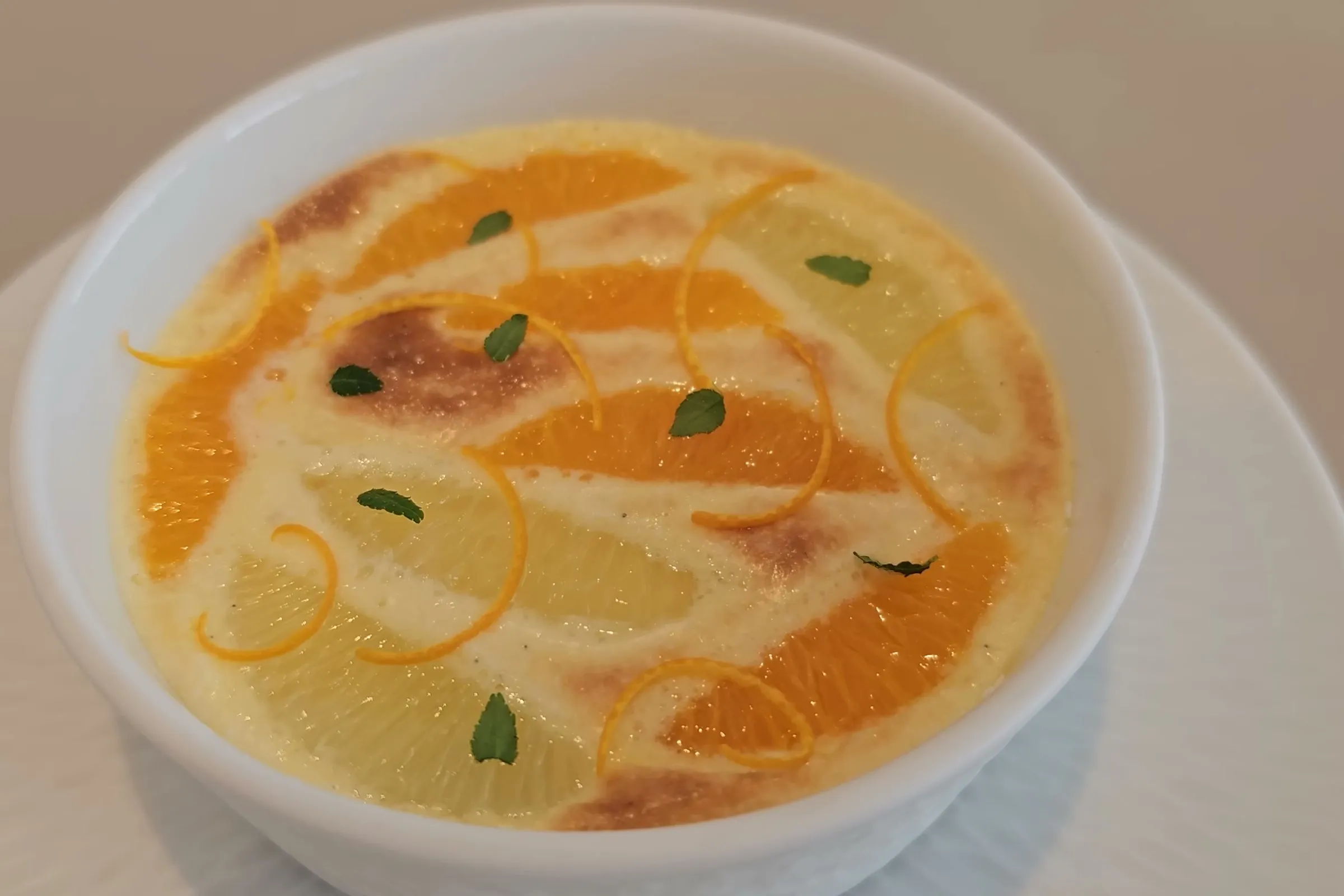
First a refreshing one: fresh mandarin inside, mandarin bavarois, and a mandarin granita on top. Japanese fruit is pretty and very expensive, so you expect it to be very sweet. Eat the expensive ones and sweetness isn’t the point. Fruit, like vegetables, has a bitterness near the peel that gives it character, and this dish leaned into that. Sweet, sure, but with a bitter edge.
Then citrus again. The segments are slightly different colours because they’re all mikan, different varieties. With them, a sabayon, and kinome on top, the sansho leaf anyone who eats sushi knows from anago. It looks like chawanmushi or Korean steamed egg. Less bitter than the first one, more sweet and sour, and the softness of the sabayon keeps that from getting sharp.
Macarons, coffee, and why it all tastes so clean
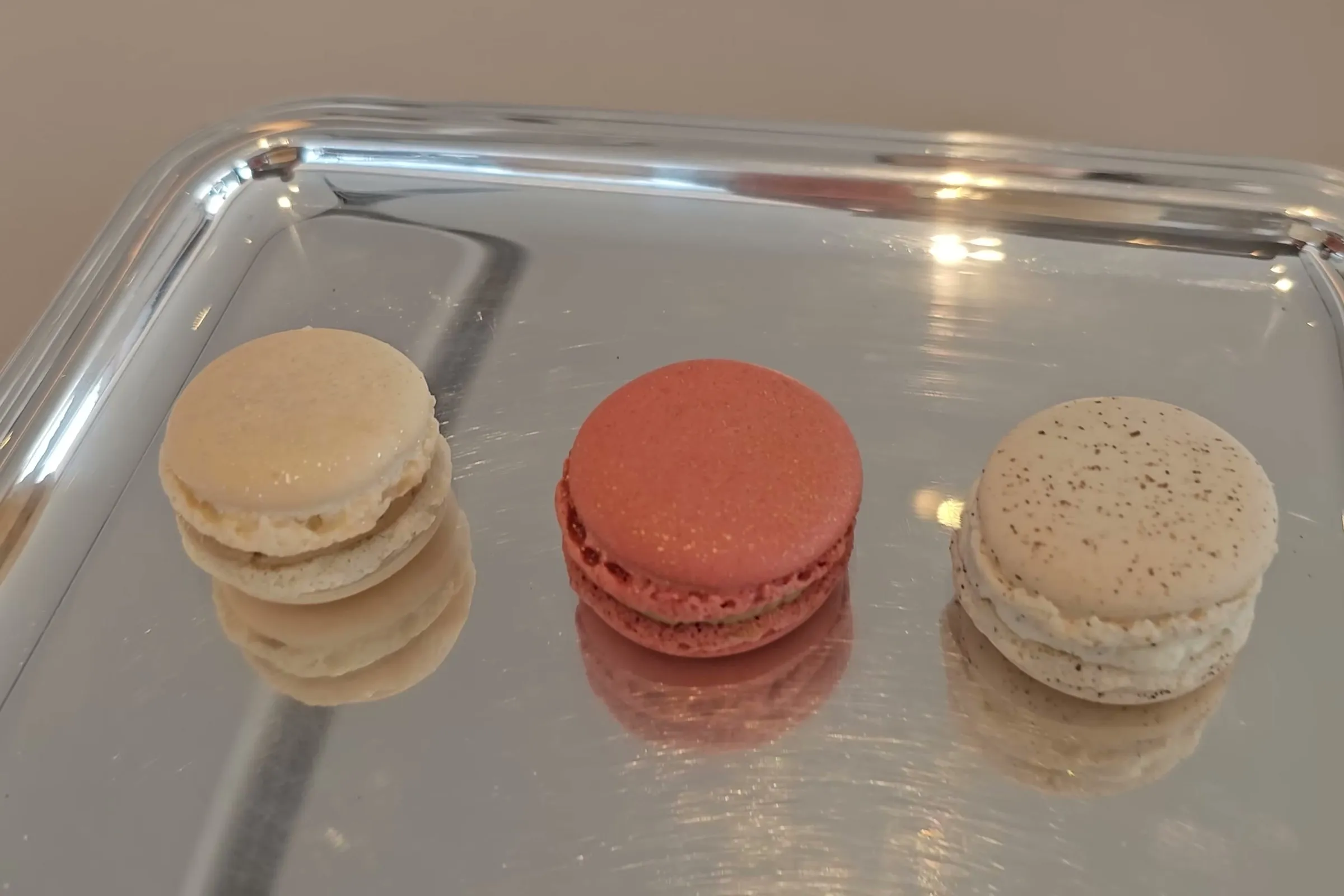
Macarons came on a tray to pick from. Ask for one of each and they give you one of each. I don’t remember the flavours, except the white one: genmai, brown rice, with vanilla. Cassis and grapefruit madeleines too, both good. I asked what tea they had, didn’t like the sound of it and took coffee. It was too bitter.
Now the overall taste. Eat abroad and food can taste salty almost anywhere, but usually the salt comes with deep umami. Some places taste salty in what I call the American way, as if they’d just poured in salt. Sézanne is the opposite. It’s closer to Japanese French or Japanese Spanish places, where you sometimes wonder if it’s a little too clean. In that way it reminded me of the cleaner kaiseki places.
French, and not once did it feel heavy or greasy. Was there a flavour that knocked me over and burned into my memory? No. But the polish is very high. I don’t think I’d get tired of it however many times I went, and I can’t see anyone being angry with me for sending them here.
Just over ¥73,000 for three at lunch, 2023/05
2023/05 video
Three of us at lunch, the shortest menu (Menu du Jour, ¥16,000 a person before tax and service), one drink each and bottled water. Mine was an alcohol-free sparkling. The total was just over ¥73,000 (about US$540, 2023/05), so about ¥24,500 a person (about US$180).
Not cheap, not absurd either. Today the Menu du Jour is ¥27,830 with tax and service, and the Menu SÉZANNE is ¥56,925 (TableCheck, checked 2026/11).
Would I go back
Yes. Is it somewhere you have to go in Japan, or worth a trip on its own? I’d talk you out of that. But if you’re like me, booking hard sushi counters in Tokyo, the dates never line up and you end up with empty days in between. When one opens up, this is the first place I’d put in it. That was Calvert’s cooking, though. He left in 2026, so look at what the new kitchen is doing before you book.
How to book
- TableCheck
Menu du Jour ¥27,830 (lunch, Wednesday to Saturday) and Menu SÉZANNE ¥56,925 (lunch and dinner), tax and service included. 2 to 6 people online, ages 13 and up, smart casual (men: jacket or long-sleeved collared shirt, long trousers, closed shoes). A card holds the booking and you pay on the day; cancelling within 7 days costs 100%. No changes for allergies or diets. Closed Mondays and Tuesdays, and from January 1 to February 9, 2027 for maintenance (TableCheck and Four Seasons, checked 2026/11).
- Phone or email
+81 3-5222-5810, or [email protected] for five or more people and the private Chef’s Table (Four Seasons, checked 2026/11).
Checked 2026/11. Booking rules change, so look at the official page before you go.
Where it is
- Address
- 7F, Four Seasons Hotel Tokyo at Marunouchi, Pacific Century Place, 1-11-1 Marunouchi, Chiyoda-ku, Tokyo東京都千代田区丸の内1-11-1 パシフィックセンチュリープレイス丸の内 フォーシーズンズホテル丸の内 東京 7F
- Nearest station
- Tokyo Station, Yaesu South Exit, 4 minutes on foot
Plan the Tokyo trip
The boring bits I’d sort before flying, so the eating days stay free.
- Hotels in Tokyo*
Pick the room by where you eat, not by the sights. After a long dinner, a short ride back is the real luxury. This place is in Marunouchi, by Tokyo Station.
- Japan eSIM*
Data from the moment you land, no counter and no SIM swap. Set it up the night before.
- Keisei Skyliner from Narita*
Narita to Ueno in about 40 minutes. Buy it ahead and walk straight to the platform.
- Haneda airport limousine bus*
Landing at Haneda instead? The limousine bus drops you at the big hotels and stations with no transfers.
- Tsukiji Outer Market food tour*
A market morning with someone who knows which stalls are worth the line.
- Sushi-making class at Tsukiji*
Shape nigiri yourself once and the counter makes a lot more sense.
Links marked * are affiliate links. If you book through them I may earn a small commission, and you pay the same. How it works
More places I have eaten at
All of Tokyo →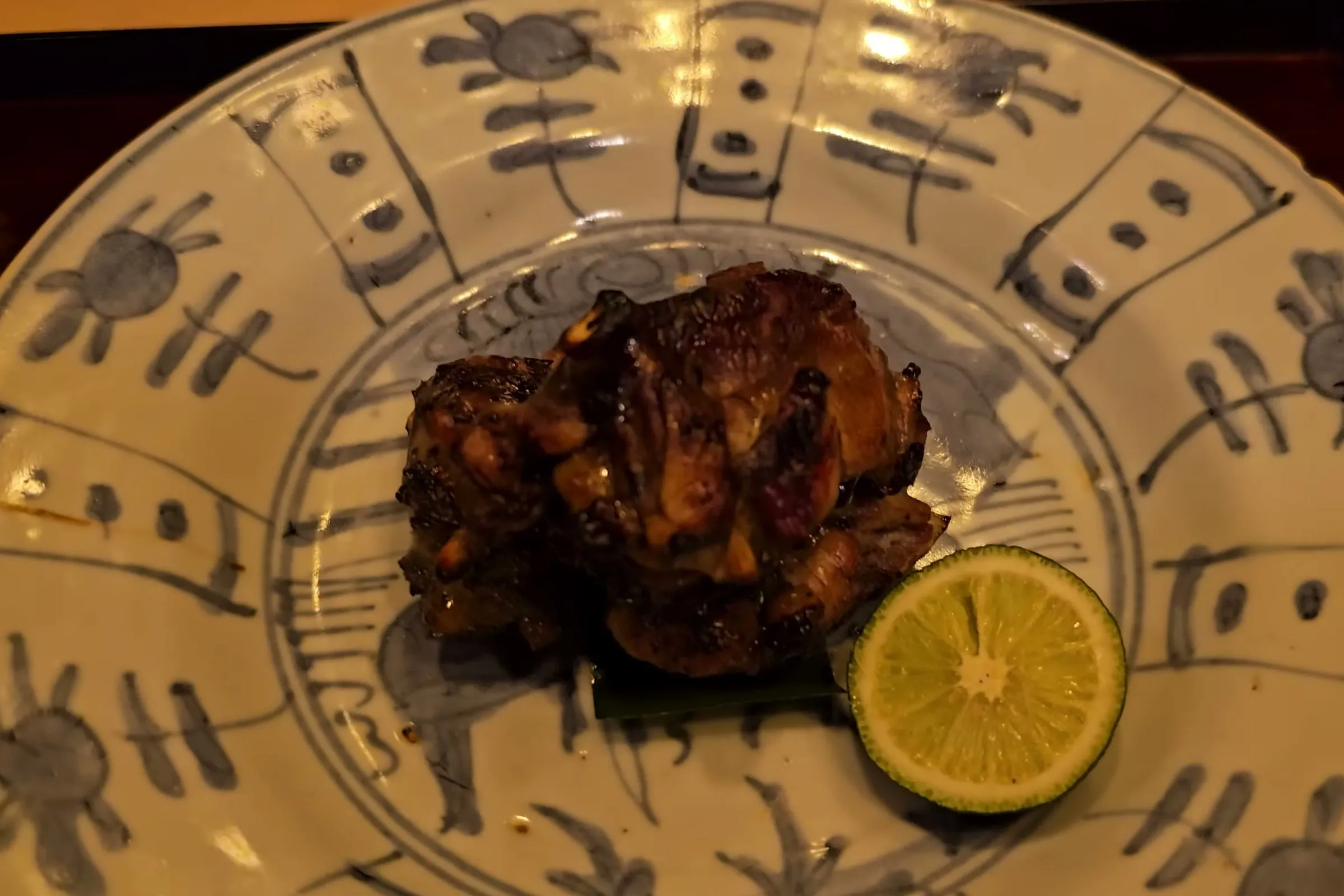 Nishiazabu, Minato, Tokyo
Kasumicho Yamagami
Nishiazabu Japanese cuisine with the best grilled suppon I know, deep broths, and rice you refill until you can’t.
¥53,000 2024/06 video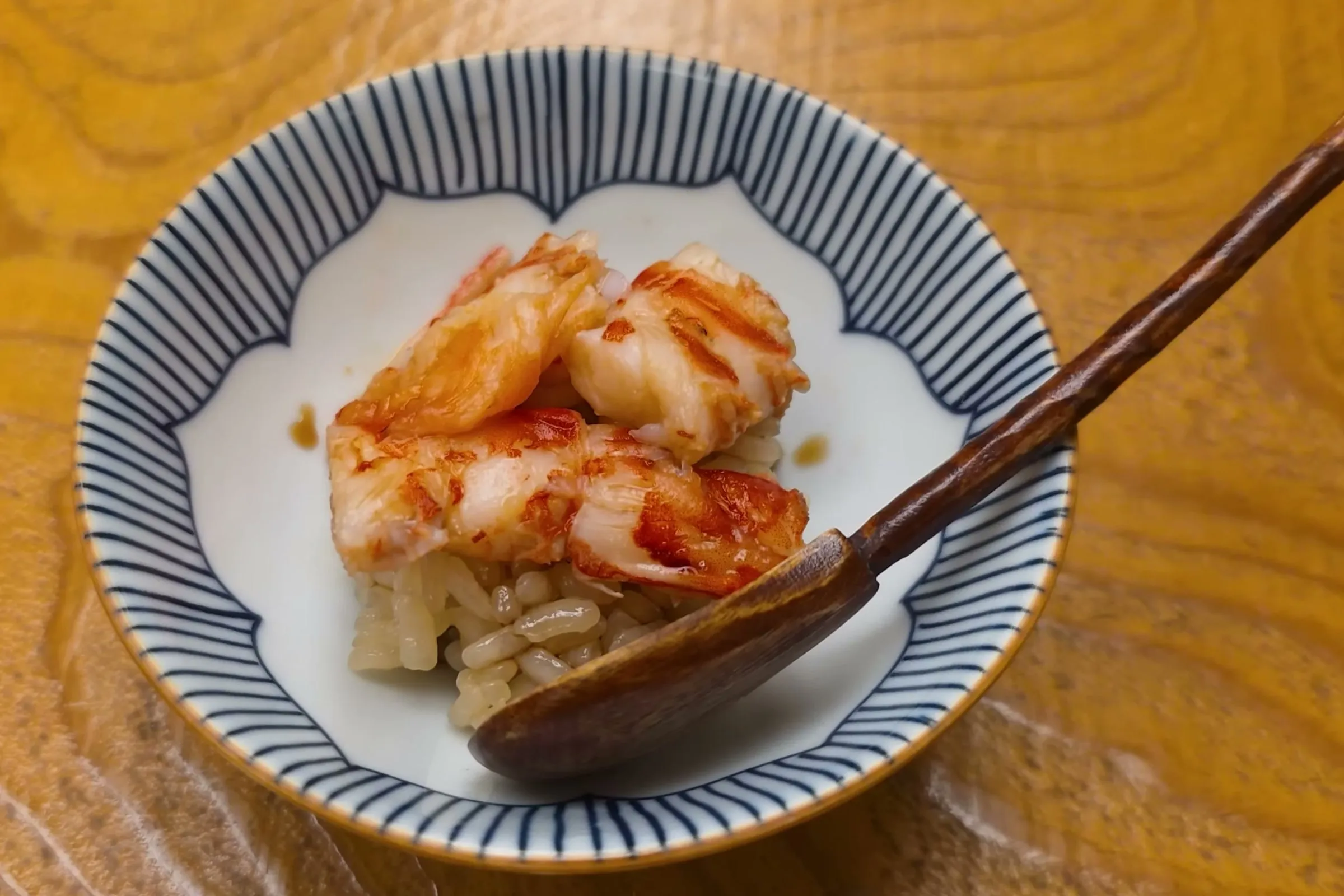 Tatebayashi, Gunma (day trip from Tokyo)
Sushi Obana
A tuna counter in the Gunma countryside, an hour from Asakusa, with a prawn bowl worth the train.
¥45,650 2025/09 video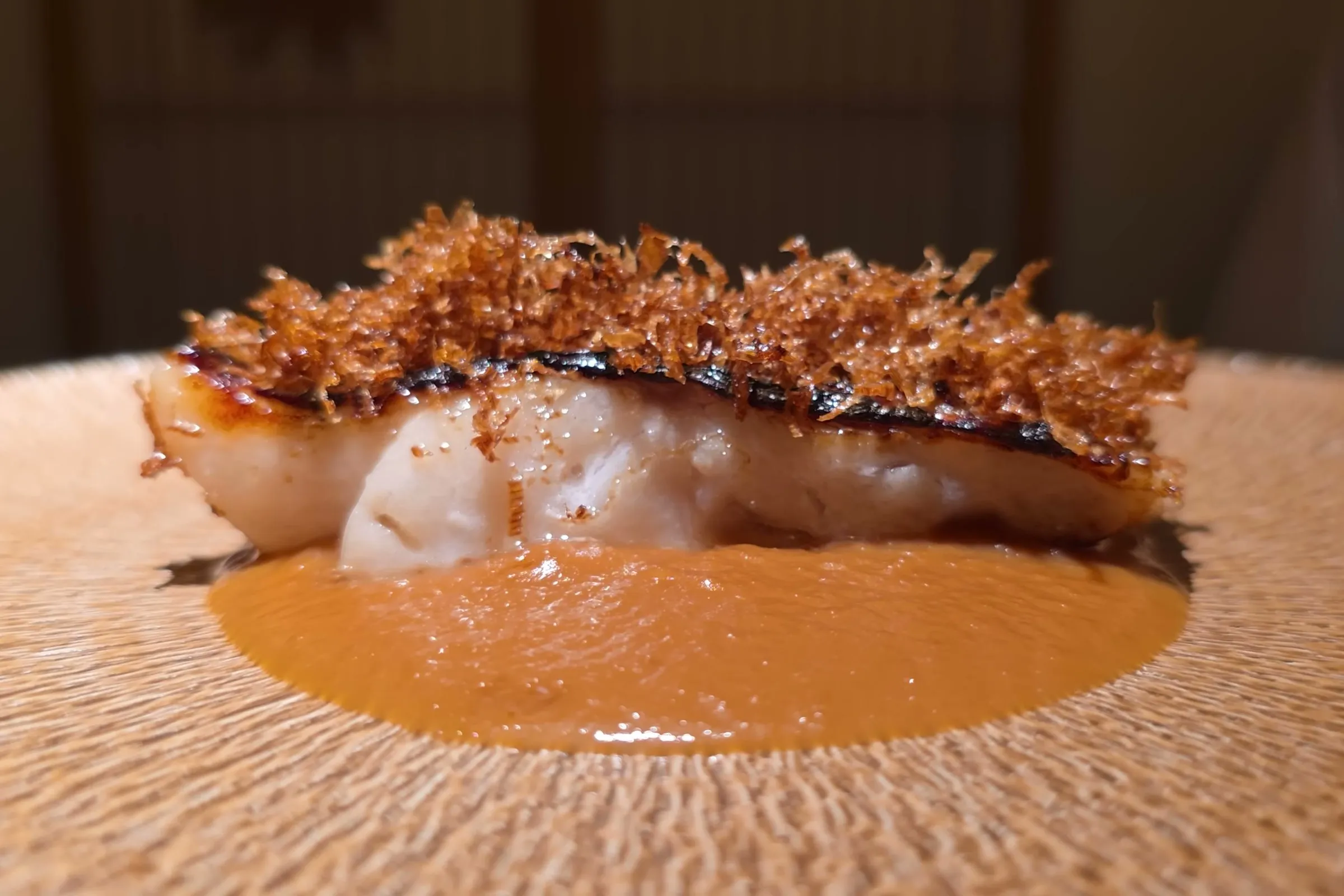 Ginza, Tokyo
Ginza Ugai
Seven seats in a Ginza basement, a chef born in 1999, and kaiseki that hits hard.
¥39,550 2025/09 videoSources
- SÉZANNE reservations TableCheck
- SÉZANNE Four Seasons Hotel Tokyo at Marunouchi
- SÉZANNE SÉZANNE
- Stephen Lancaster appointed Executive Chef of Four Seasons Hotel Tokyo at Marunouchi and SÉZANNE Four Seasons Press Room
- SÉZANNE in Asia's 50 Best Restaurants 2026 Four Seasons Press Room
- Where did Sézanne's three Michelin stars go? South China Morning Post
- SÉZANNE MICHELIN Guide
- MICHELIN Guide Tokyo, Kyoto, Osaka and Nara 2027 selection, save the date MICHELIN Guide
- Getting here Four Seasons Hotel Tokyo at Marunouchi