The best sushi rice I’ve had in Korea was in Bundang
Sushiya (스시야) is chef Lee Jung-woon’s sushi counter by Jeongja Station in Bundang, south of Seoul, and on this night it served the best sushi rice I’ve had in Korea. Dinner was ₩160,000, about US$130, and lunch ₩80,000, about US$70 (2020/07). It was hard to book: I phoned for months and kept hearing full. Since then Sushiya has moved to 150 Dosan-daero in Seoul, where chef Lee is listed now, and my dinner there was ₩250,000, about US$190 (2023/08). Both branches book on CatchTable, and Bundang lists lunch at ₩110,000 and dinner at ₩220,000 (2026/11). Would I go back? I booked the next seat before I walked out.
monster gourmetFrom my 2020/07 video
- My share
- ₩160,000
- about US$130, dinner omakase per person in Bundang, 2020/07; ₩250,000 at the Dosan-daero branch, 2023/08, 2020/07 video
- Highlight
- The rice, the aji namero, and the shime-saba
- Skip
- The herring roll, on my night
- Video
- 12:52
- 2020/07
- Where
- Jeongja-dong, Bundang (Seongnam), south of Seoul
- Jeongja (Shinbundang and Suin-Bundang lines), about 500 m on foot
Straight to the point. It was delicious.
After this meal I actually thought, best omakase I’ve eaten this year? Then I remembered I’d been to Sugita in February. My pandemic brain nearly committed sushi sacrilege. Leave Sugita out, and nothing else I ate that year beat it.
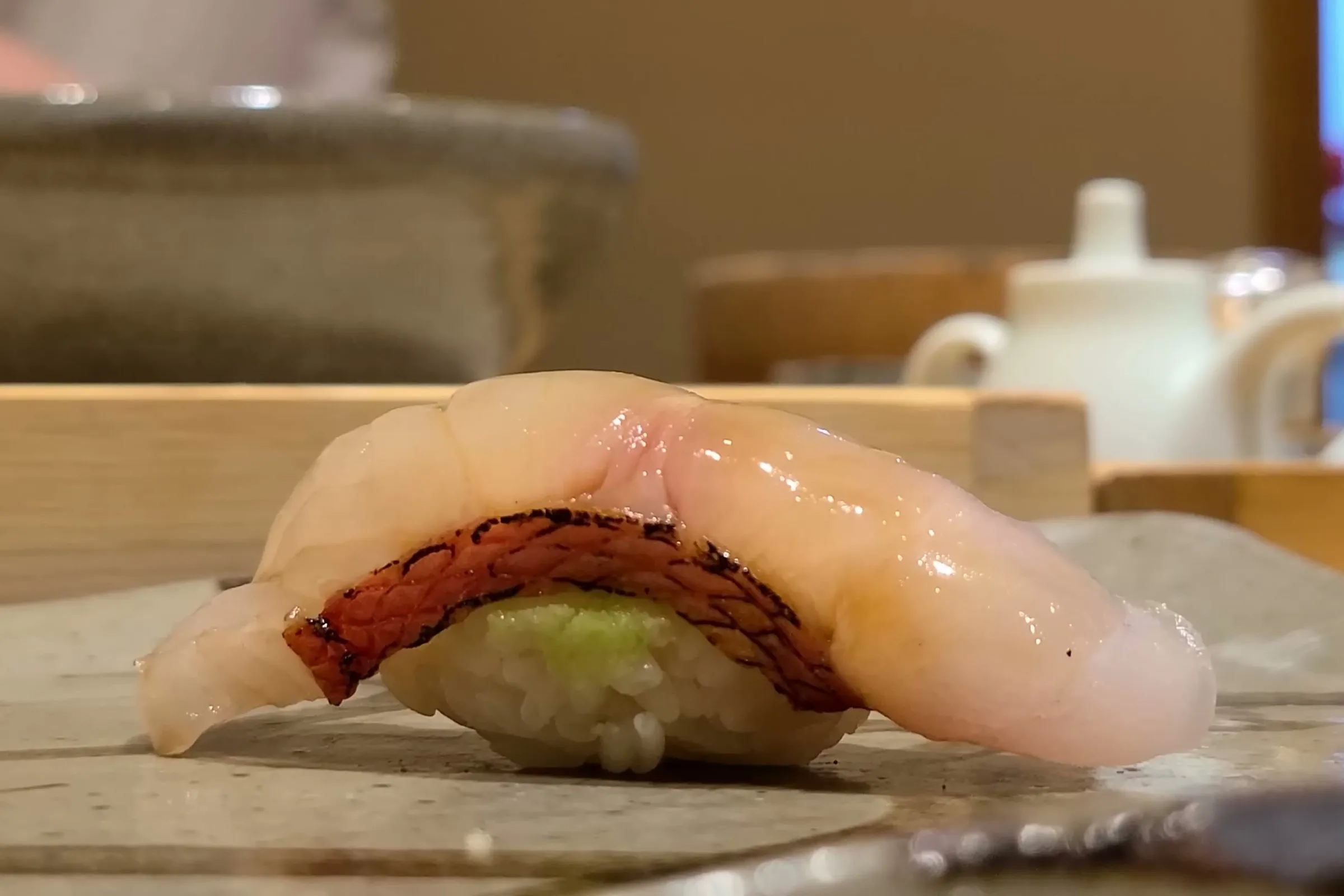
Sushiya is chef Lee Jung-woon’s counter in Jeongja-dong, Bundang. I call it Bunsuya, short for Bundang Sushiya. The rice is the reason to come. It uses Kohaku vinegar, every grain stands apart, and on this night the seasoning hit hard in the best way.
I’ve eaten sacks of Kohaku-vinegar rice in my life. I couldn’t think of one that beat this.
I underestimated the booking for months
I hadn’t stayed away because I didn’t like it. I underestimated it. It’s in Bundang, so I figured a weekday dinner would be easy.
I called on the day, or two or three days ahead, and asked about a weekday. Full. Okay, next time. After that many misses I should have figured out it had gotten hard to book. Instead I assumed I’d picked busy days and kept doing the same thing for months.
In the end I called and asked for their earliest seat, and it was two or three months out. One meal there and the booking trouble made sense. I booked the next one, two months ahead, on my way out.
Today both branches take bookings on CatchTable (2026/11).
A scallop like Sugita’s, and namero I wanted to lick
The steamed abalone, simmered octopus and young tuna up front weren’t much different from other places. I don’t usually love the tsumami here. But this night even the tsumami were from another world.
The scallop showed it first. So sweet. Scallops usually leave a damp, musty note at the end, like squid. None of that. Clean and sweet, enough to remind me of the scallop sashimi Sugita sometimes serves with white fish. I felt guilty saying it. It was that good.
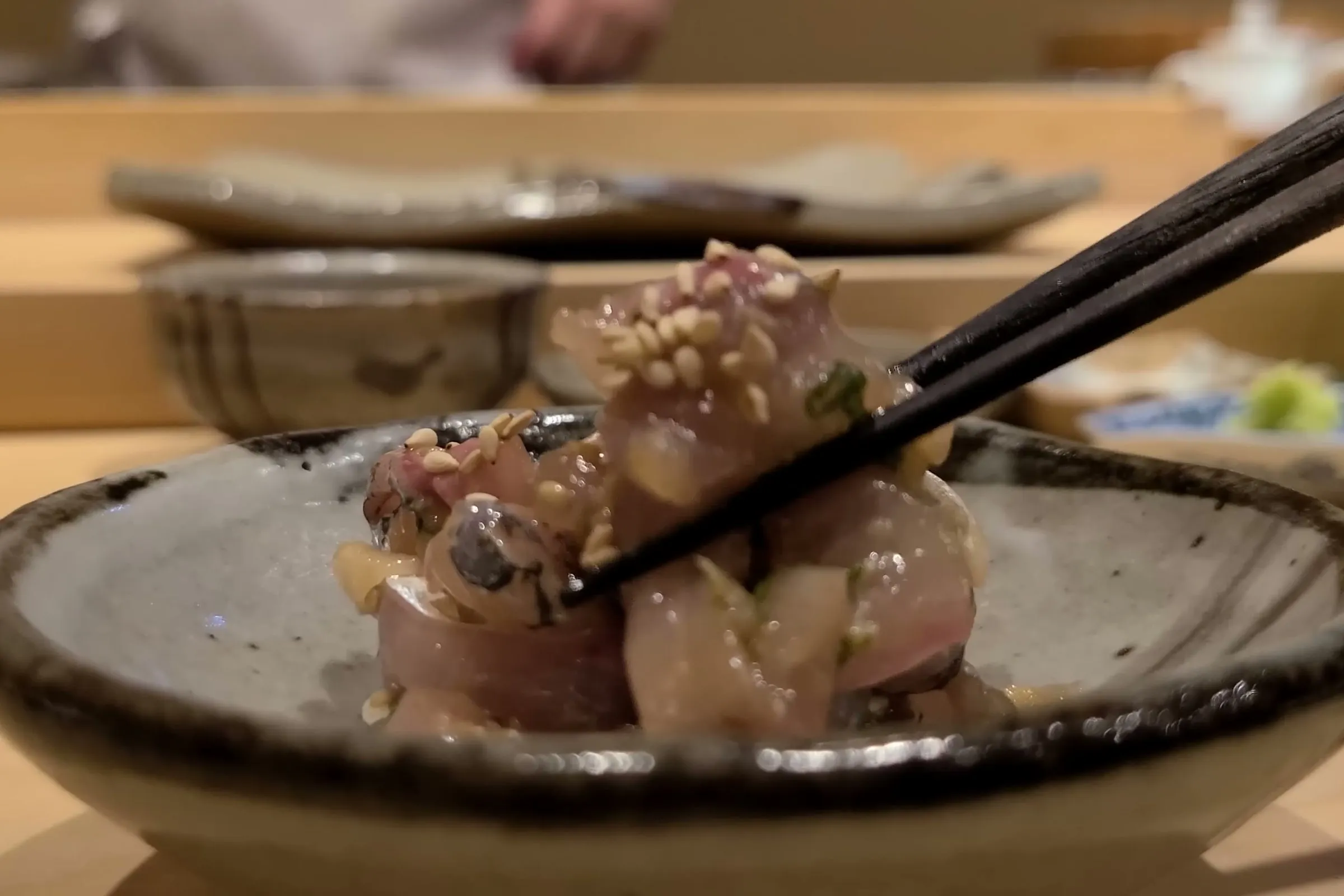
Then the aji namero, horse mackerel chopped with seasoning. Aji was in season, so every counter I go to was serving it. Namero comes from nameru, to lick, and I’d never wanted to lick one. This one I did. Fatty fish, dense texture, and a sticky coating of flavor on the outside, like umami had turned into a texture. When you’re a kid someone points at something red and says, that’s red. This dish teaches you what flavor that clings to your mouth means.
Anago shirayaki yes, herring no
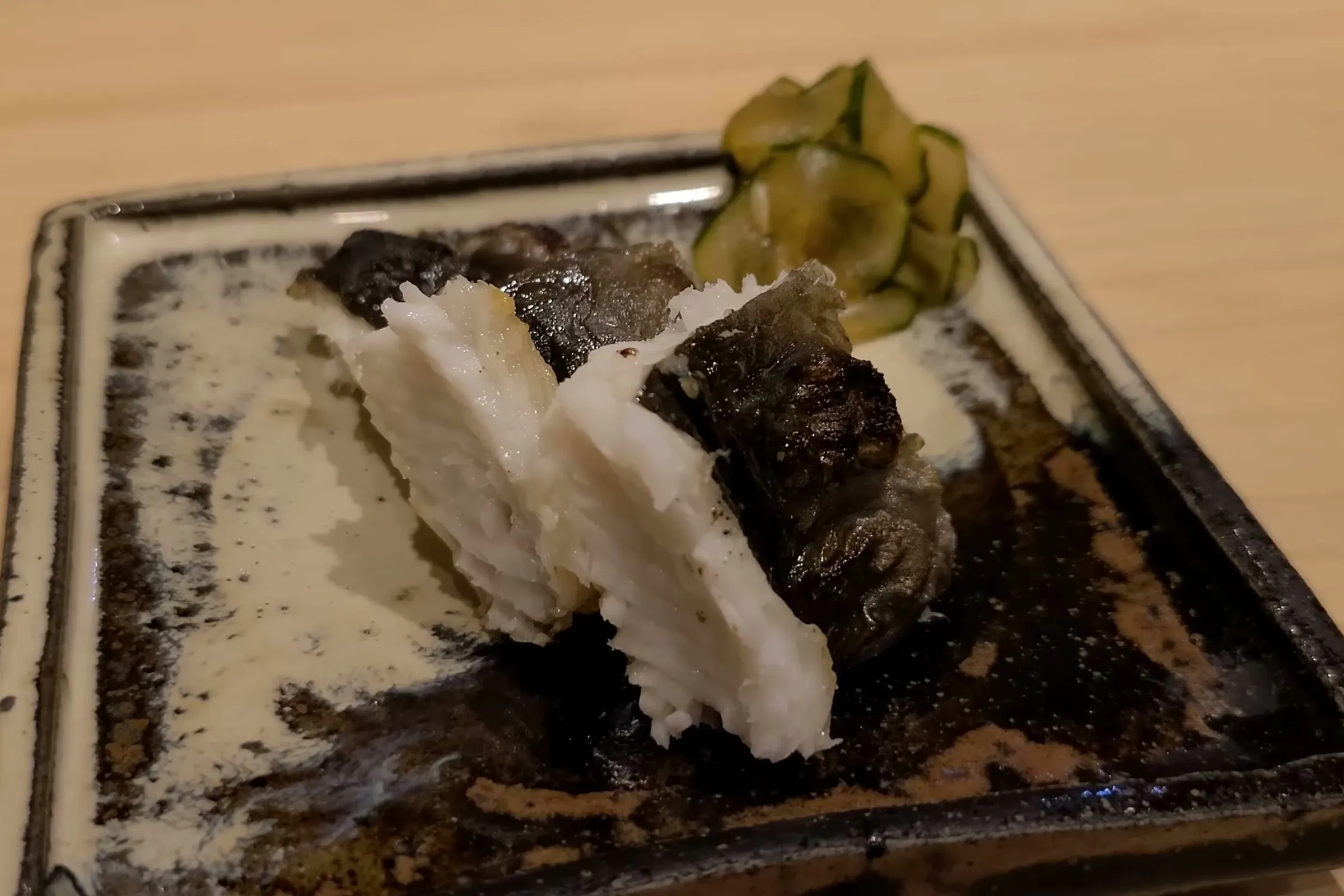
The anago shirayaki was really good. Close to the texture I had at Sugita: chewy skin, a firmer bite on the flesh side, tender inside. Shirayaki in Korea usually comes salty. This one had no salt on it, a real shirayaki.
The herring roll disappointed me, and herring is supposed to be Sushiya’s pride. I’m not saying that because the roll burst open. The herring itself fell short of what I expect here.
The mackerel I’d complained about, fixed
The lineup here doesn’t change much, so I come with expectations for each dish. Their mackerel had always been a little salty with a fishy smell, and I’d told the chef so more than once.
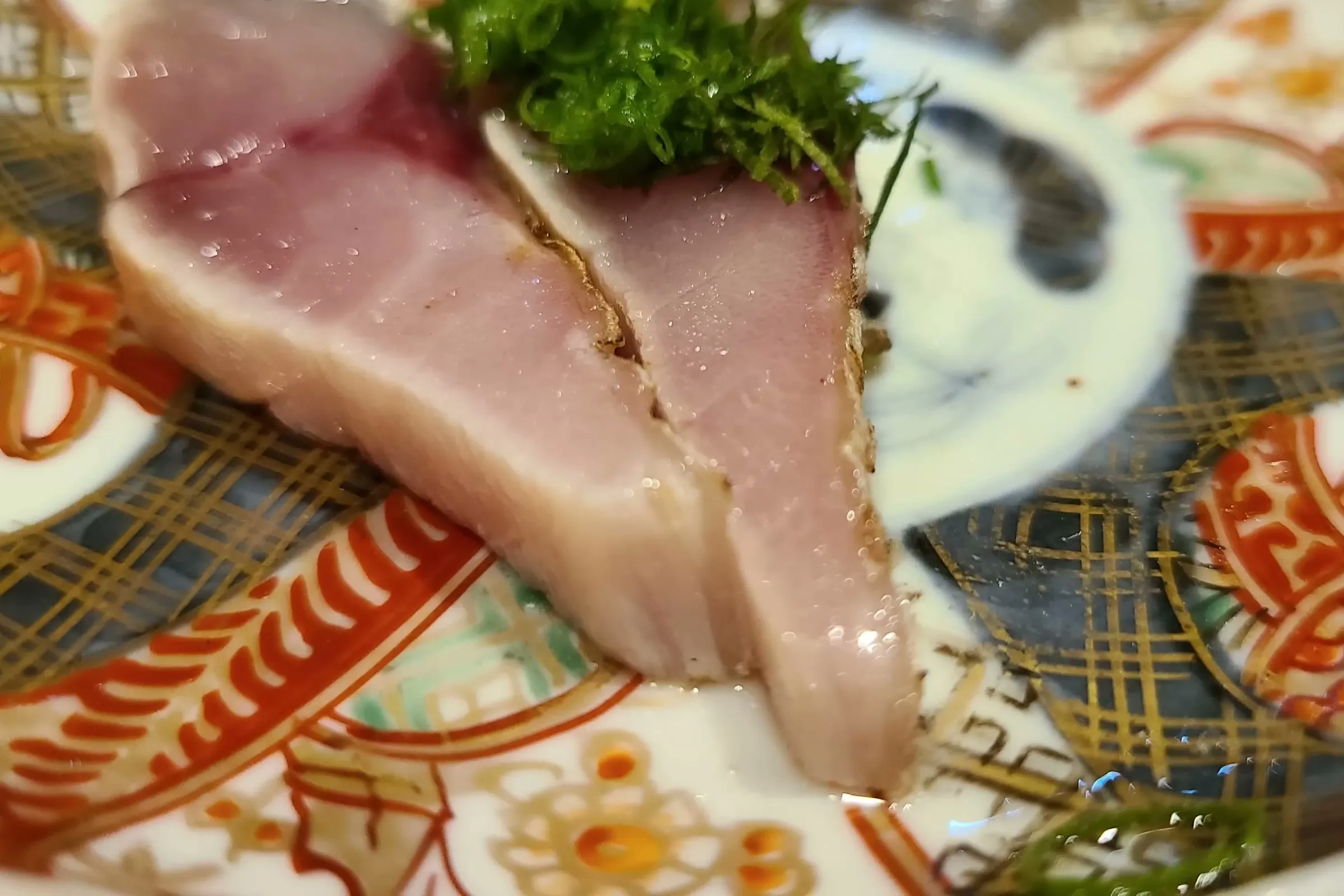
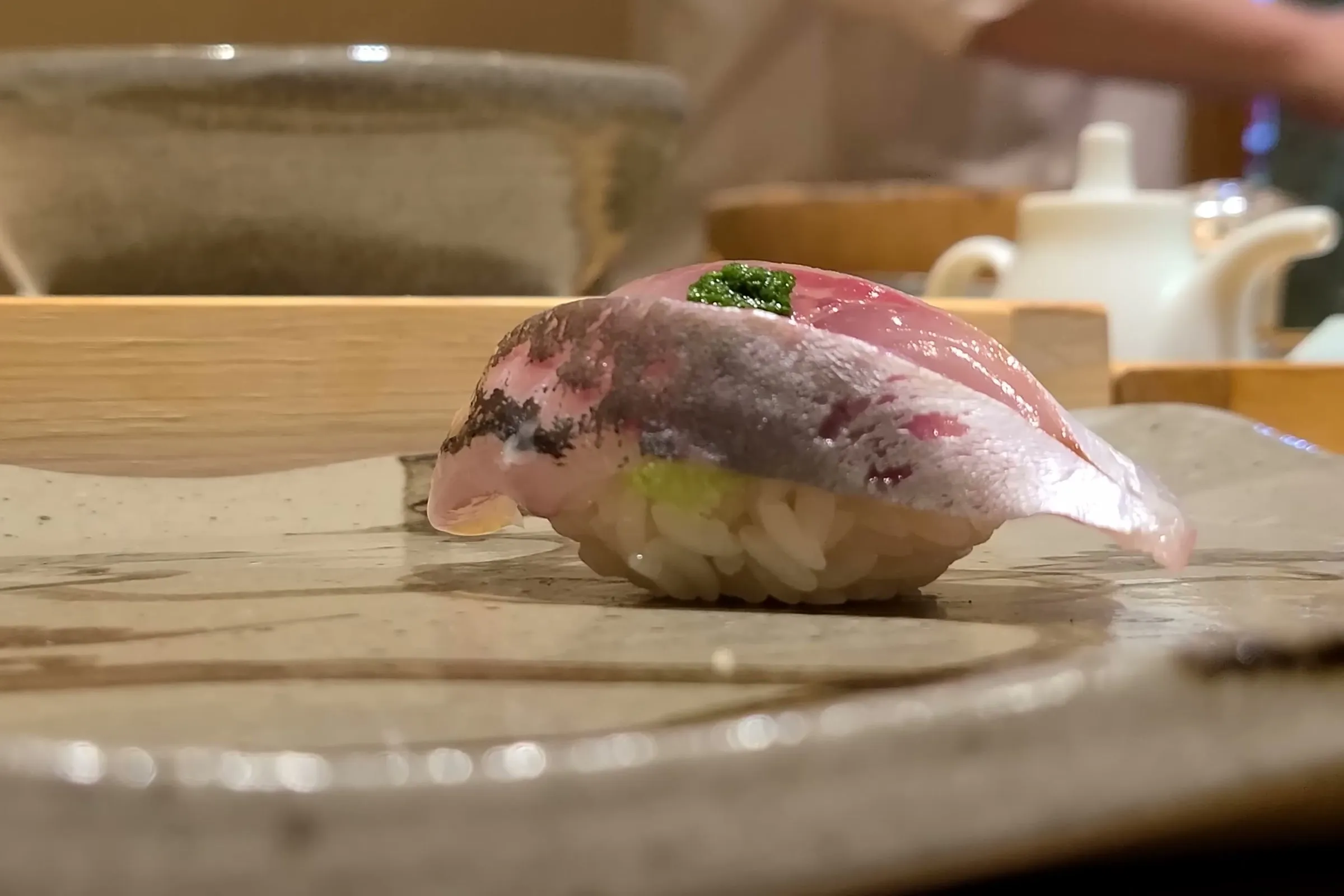
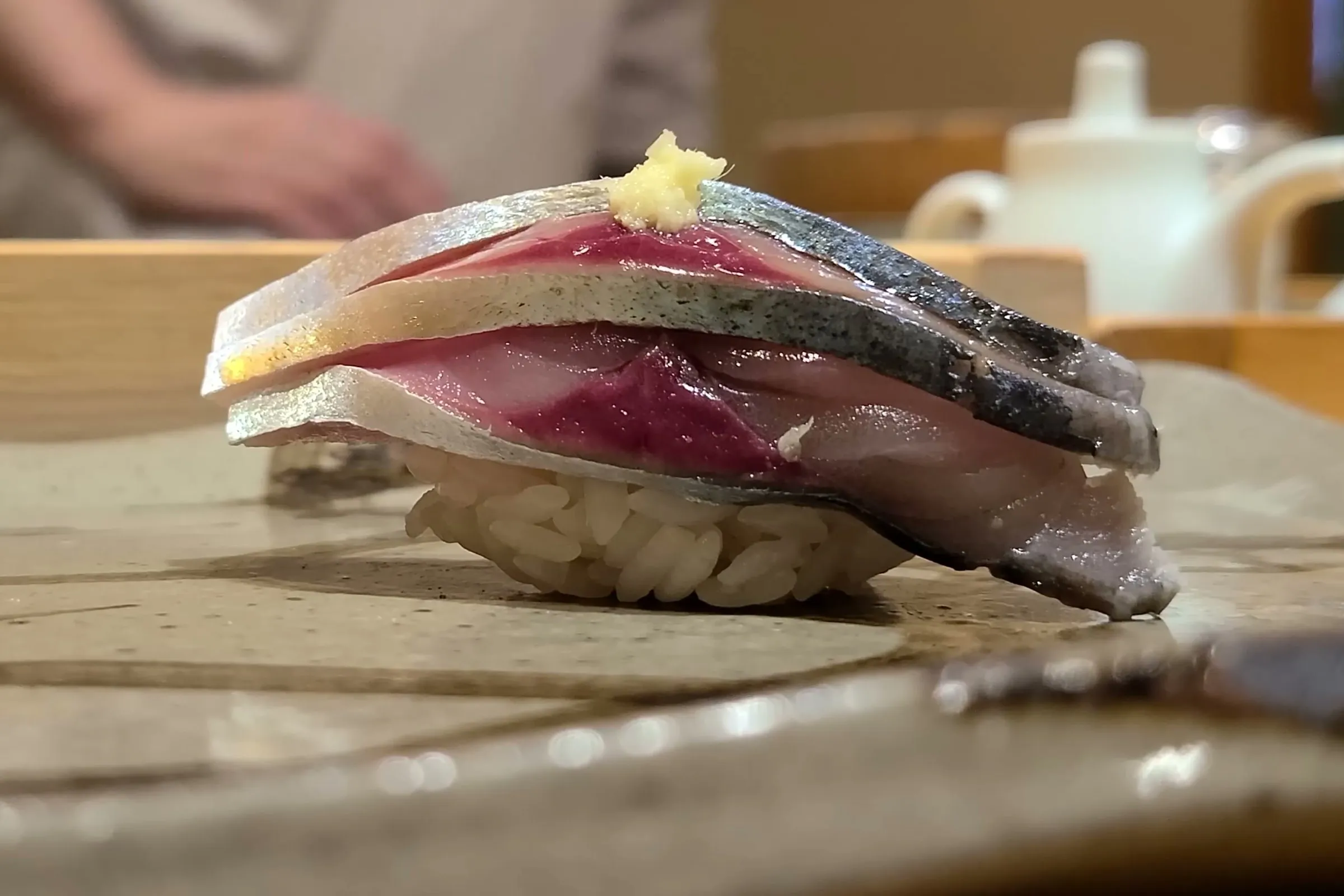
This night the mackerel was insane. The smell so clean I wondered if they’d even cured it in vinegar. It clearly was, you can see the surface is lightly cooked by the vinegar. And the fat sat on the flesh like frost. I couldn’t fault the taste or the texture.
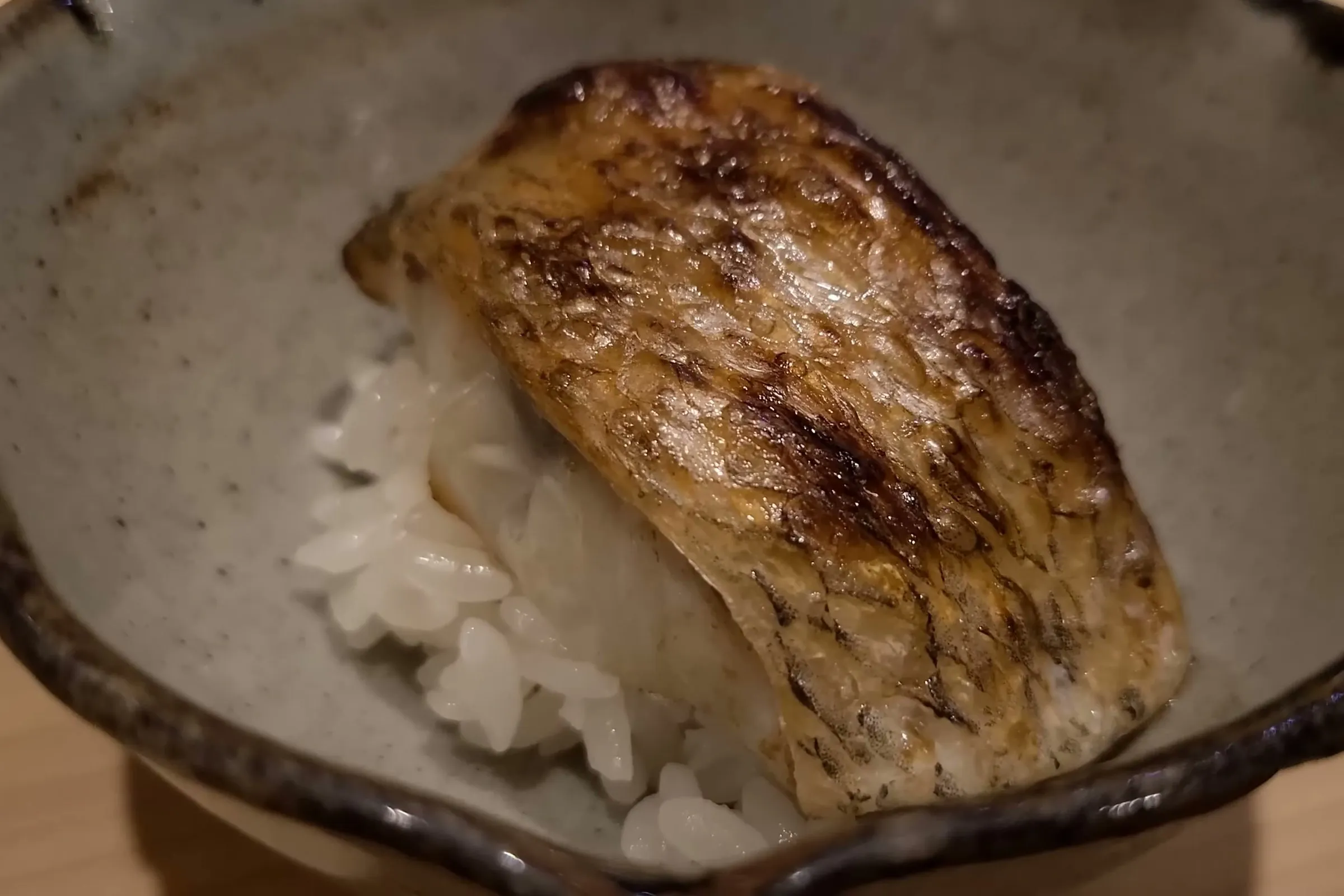
Nodoguro over rice
This kind of grilled nodoguro rice bowl got popular in Japan about three years before, then spread to Korean sushi counters. By then fewer places served it this way.
You need a fat nodoguro. Grill it, set it on rice that’s a little salty or has the vinegar still alive, then break up the flesh. It’s a step up from putting pork neck on rice at a grill place and coating the rice in the fat. Here the water from the fish comes out with the fat and makes the rice underneath really moist, almost drinkable. With fish that plump I’d have liked a bit more seasoning. Lots of wasabi on top, and that’s it.
The leftovers in the bowl explain the taste better than I can. Loads of fat, and really delicious.
The rice I’d given up on came back
I came to Sushiya a few times before I started YouTube, and I’d built up a prejudice about the rice. It seemed to get saltier and softer every visit. At first I thought it had good days and bad days. Later I thought it was getting worse.
This night the rice was incredible from the first bite. The texture, the vinegar, the salt, all of it. The shima-aji? I don’t even remember it. The rice was just that good. It’s the familiar Kohaku nuance, coming at me hard.
Everything else was so good that the squid, the plainest piece and a bit chewy, was the worst of the night. The aji nigiri after that namero, plus the mackerel from earlier, and I thought, the hikarimono are on fire tonight. The herring that let me down? Already forgotten. Fat that rich makes the fish taste sweet, and the sweetness from that mackerel and aji left me speechless.
Fat meets vinegar
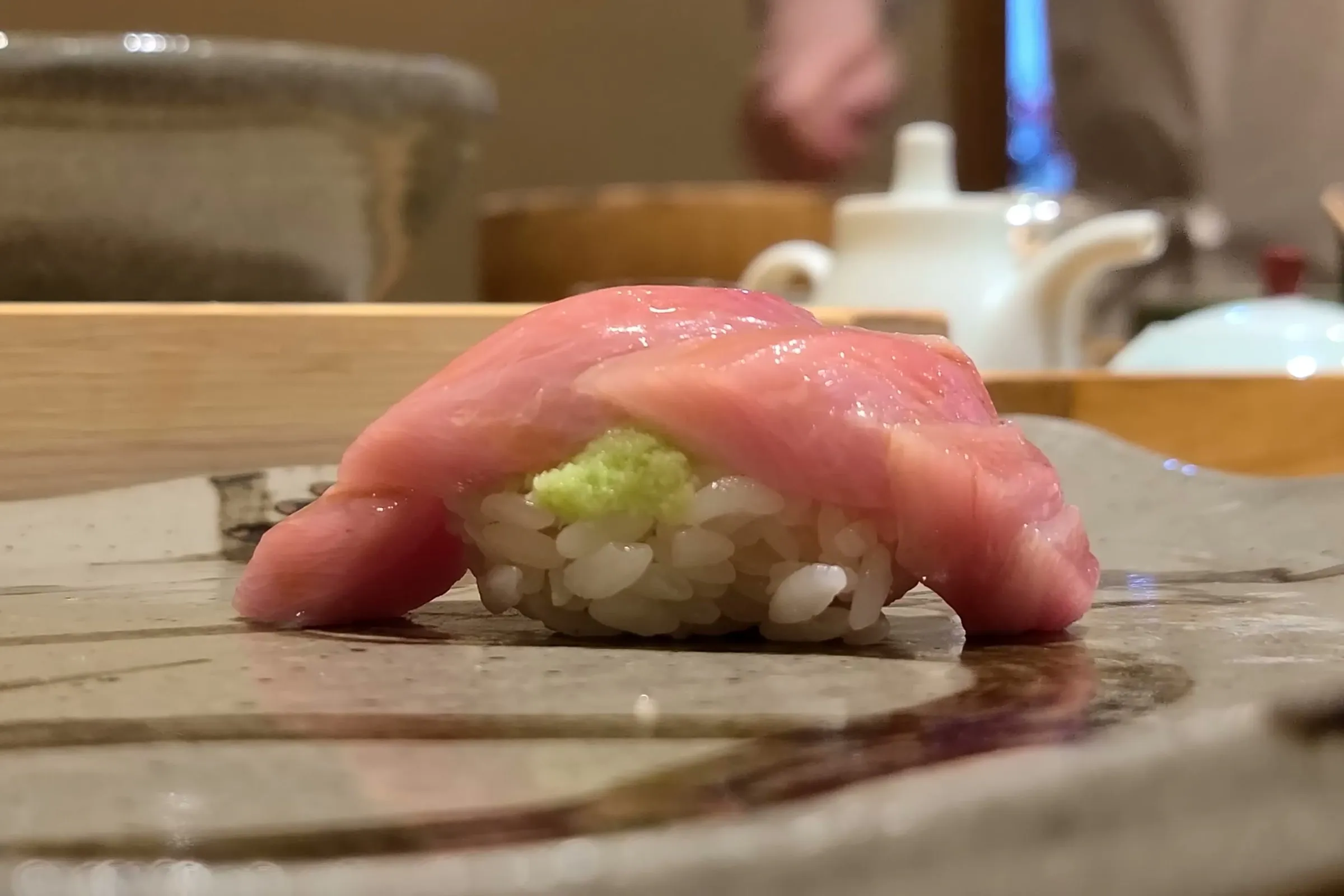
With rice this vivid, every fatty piece tasted great. Kinmedai, otoro, every time something fatty came I got happy. Fat should make me feel guilty, I’ll gain weight. But an oil well bursting in my front yard wouldn’t make me happier than that.
Fat and acid are a match made in heaven, in sushi and in Western cooking too. The acid of the rice, the sweetness and nuttiness of the fat, the soft texture, and rice with every grain alive so the fat coats it and it falls apart in your mouth.
The kuruma ebi was on the small side, but I love it hot, and this one was cooked all the way through. My style. I’d had bigger ones at another counter recently, served cold and less cooked. I like this more, cooked hard so the nutty taste comes up.
The cucumber dish isn’t seasoned to the max, but it’s a little salty and you keep reaching for it. It reminded me of the cucumber that comes with Chinese five-spice pork.
One more mackerel, and a kiss
After the course I wasn’t stuffed, and I wasn’t hungry. I wasn’t going to order an encore. But that mackerel kept floating in front of my eyes.
I remembered the rice balls at Bundang Sushiya as big. This night the pieces weren’t big at all, smaller than at the counters I go to most, so I had room. The mackerel nigiri looked so pretty I kissed it before I ate it. The nigiri, not a person. And it tasted better than it looked.
Maybe I got lucky with the rice that night, since I remember it being uneven. But even a little worse than this, it would beat most sushi counters.
Chef Lee moved to Seoul, and the price went up
Sushiya moved to Dosan-daero in Seoul, and that’s where I ate chef Lee Jung-woon’s sushi in 2023. A Bundang Sushiya is still listed on CatchTable, but chef Lee is listed at Dosan-daero (2026/11). The floor confused me. On my first visit the elevator said B1, even though you ride an escalator up from the street. Now it’s marked 2F. Don’t press B1, go to the second floor.
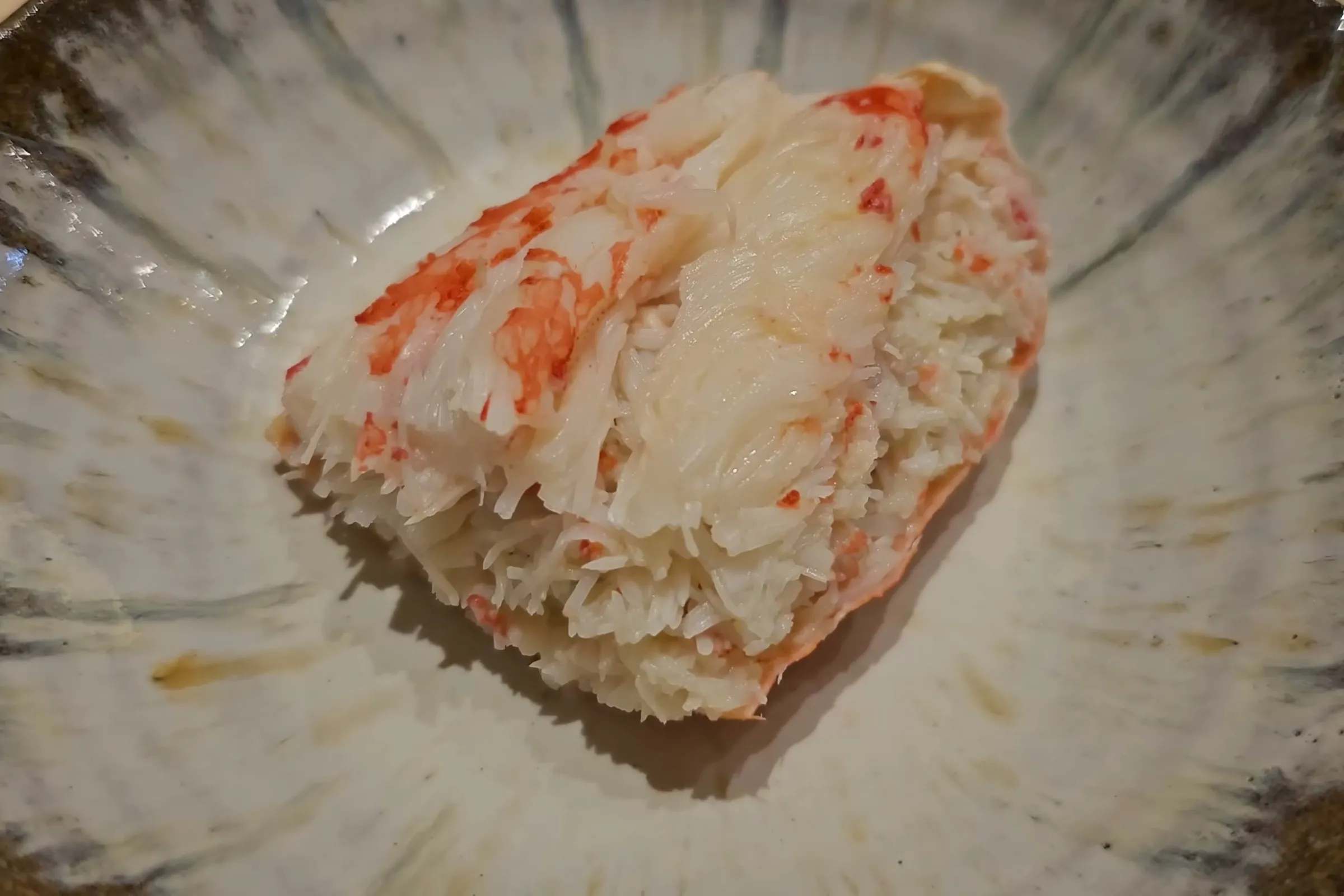
The things I’d complained about got fixed. The wasabi, flat on my first Seoul visit, was fine. The chopsticks got nicer. The snow crab, which in Bundang I always said was served too cold, came warm, and that alone lifted the whole start. The abalone got bigger, and its aroma is the best mushi awabi I’ve had lately.
Not all of it moved up. The anago shirayaki, which I always loved, was a thinner eel this time, a little dried-fish tasting. The mackerel isobe maki, now rolled without rice like Sugita’s, was cured a little hard, salty and sour.
Three hours, Sugita style
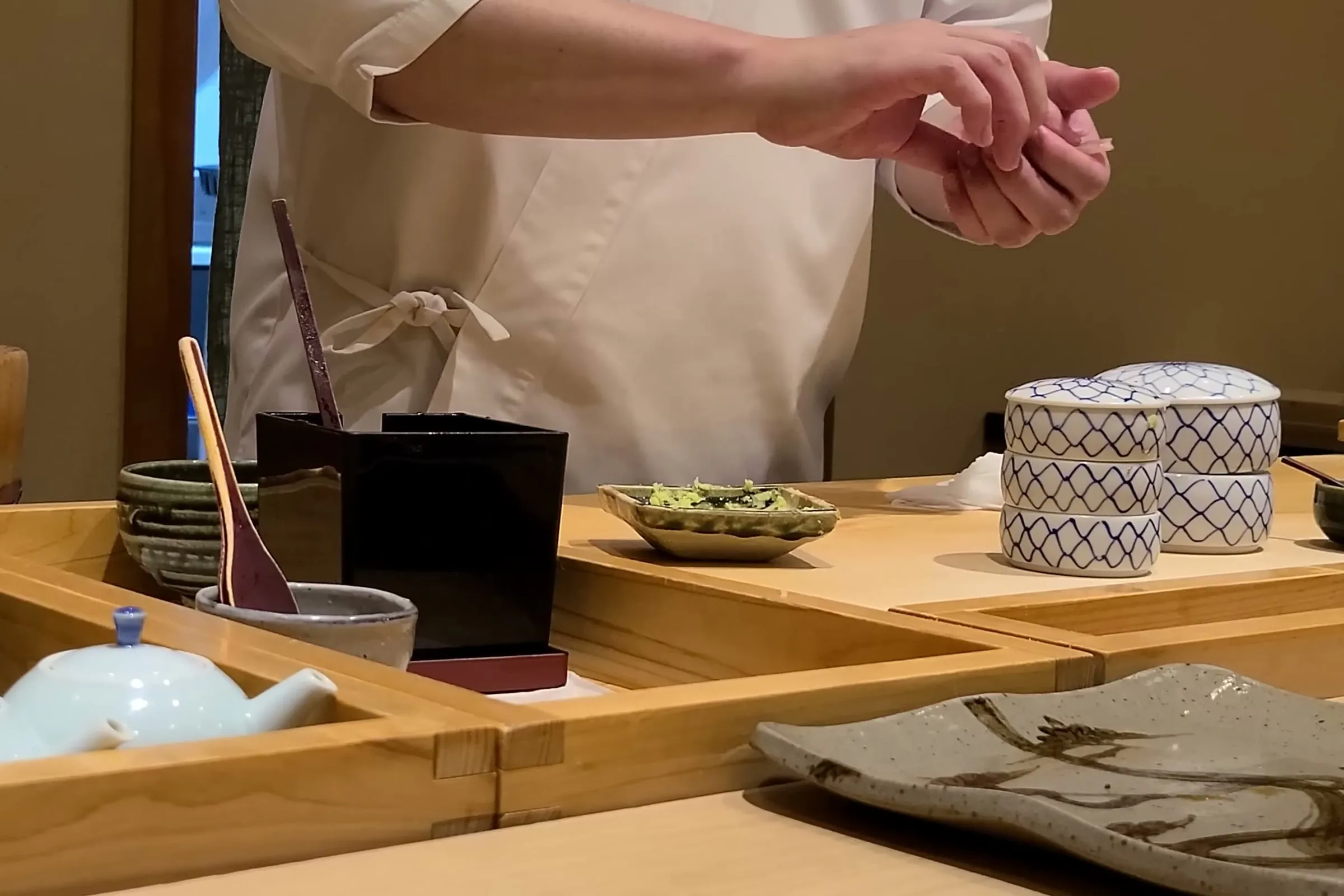
Chef Lee reminds me of Sugita-san. The soft, calm hands when he makes nigiri, and now the pace too. It’s slow. A weekday dinner ran about three hours. Watching him, it’s calming, not frustrating, though I know how it’ll taste. Someone in a hurry might find it slow.
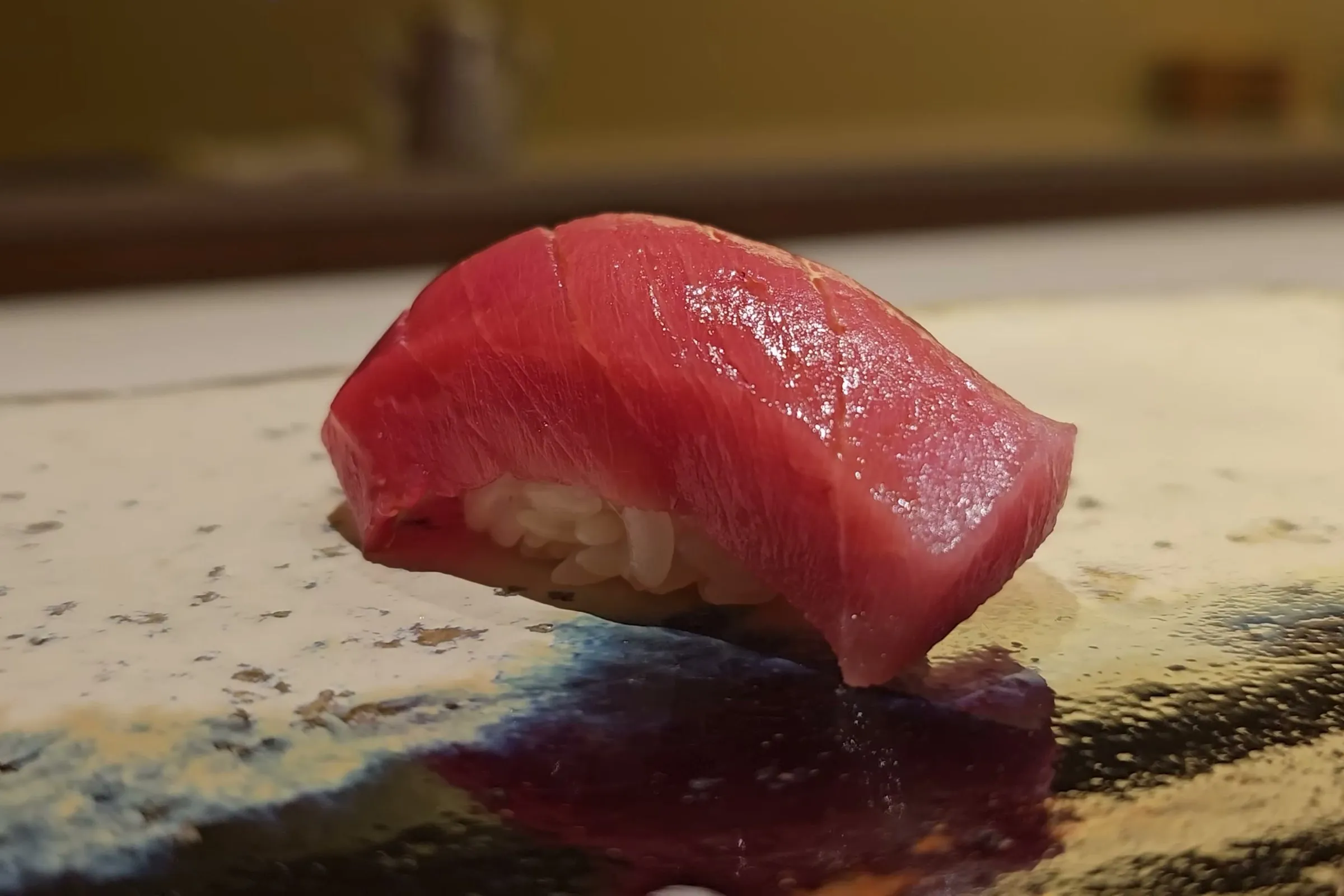
The aji nigiri comes without wasabi, the toppings do that job. It was a small one, a ko-aji, and still really fatty. The tuna was beautiful, starting with chiai-gishi, the part by the blood line. Anago came as a futomaki with simmered shiitake, cucumber and tamago, the old-school kind, and they rolled the cucumber maki as fat as a futomaki.
Dinner was ₩250,000 a person (2023/08). The receipt didn’t make it on camera, and people still ask if it’s sponsored. It’s a place I can’t even book, who’d pay me? Even at the higher price, I was more satisfied. And I don’t have to ride to Bundang anymore.
₩160,000 in Bundang, ₩250,000 in Seoul
2020/07 video
In Bundang, dinner was ₩160,000 a person, about US$130, and lunch ₩80,000, about US$70 (2020/07). For rice and fish this good, that was cheap.
At the Dosan-daero branch, dinner was ₩250,000 a person, about US$190 (2023/08). I don’t drink, so no alcohol in either number.
Today Bundang lists lunch at ₩110,000 and dinner at ₩220,000, about US$80 and US$160 (2026/11). I couldn’t find a current price for the Seoul branch.
What Sushiya has cost me, visit by visit
2 visits where I said the bill on camera. ₩160,000 in 2020/07, ₩250,000 in 2023/08. Up 56%.
Dinner, per person, no drinks (I don’t drink). Each point is the price I said on camera, dated by the month the video went up. 2020/07 is Bundang, 2023/08 the Dosan-daero branch in Seoul. Each month is when that video came out.
I booked the next seat on the way out
This is why it’s hard to book. I’d go to Seoul, to the Dosan-daero branch, where the chef is now and you skip the trip to Bundang.
Would I go back? I already did.
How to book
How I booked
I phoned the Bundang shop for months and kept hearing full, until I asked for their earliest seat, two or three months out. I booked the next one, two months ahead, on my way out (2020/07).
- CatchTable, Dosan-daero (Seoul)
Chef Lee Jung-woon is listed at this branch, 2F, 150 Dosan-daero, Gangnam-gu, near Garosu-gil. Polle lists it as reservation only, booked through CatchTable, with phone 010-9338-6689 and no parking (2026/11). I couldn’t find a current price.
- CatchTable, Bundang
The original counter by Jeongja Station. Polle lists lunch omakase ₩110,000 and dinner ₩220,000, booking through CatchTable, phone 031-717-6689 (2026/11). It doesn’t name the chef.
Checked 2026/11. Booking rules change, so look at the official page before you go.
Where it is
- Address
- Emco Heritz 101-dong 2F #203, 146 Jeongja-il-ro, Bundang-gu, Seongnam, Gyeonggi경기 성남시 분당구 정자일로 146 엠코헤리츠 101동 2층 203호
- Nearest station
- Jeongja (Shinbundang and Suin-Bundang lines), about 500 m on foot
Plan the Seoul trip
The boring bits I’d sort before flying, so the eating days stay free.
- Hotels in Seoul*
Pick the room by where you eat, not by the sights. After a long dinner, a short ride back is the real luxury. This place is in Jeongja-dong, Bundang (Seongnam), south of Seoul.
- Korea eSIM*
Data as soon as you land at Incheon. Install it before the flight.
- AREX airport express*
Incheon to Seoul Station in under an hour, with no traffic to think about.
- T-money card*
One card for the subway, the buses and the convenience store. Tap on, tap off.
- Gwangjang Market street food tour*
Bindaetteok, mayak gimbap and yukhoe, with someone who knows which stall.
- Korean cooking class in a Bukchon hanok*
Cook a few home dishes in an old hanok, then sit down and eat them.
Links marked * are affiliate links. If you book through them I may earn a small commission, and you pay the same. How it works
More from this restaurant on the channel
- The price went up and I liked it more | Sushiya16:592023/08
More places I have eaten at
All of Seoul →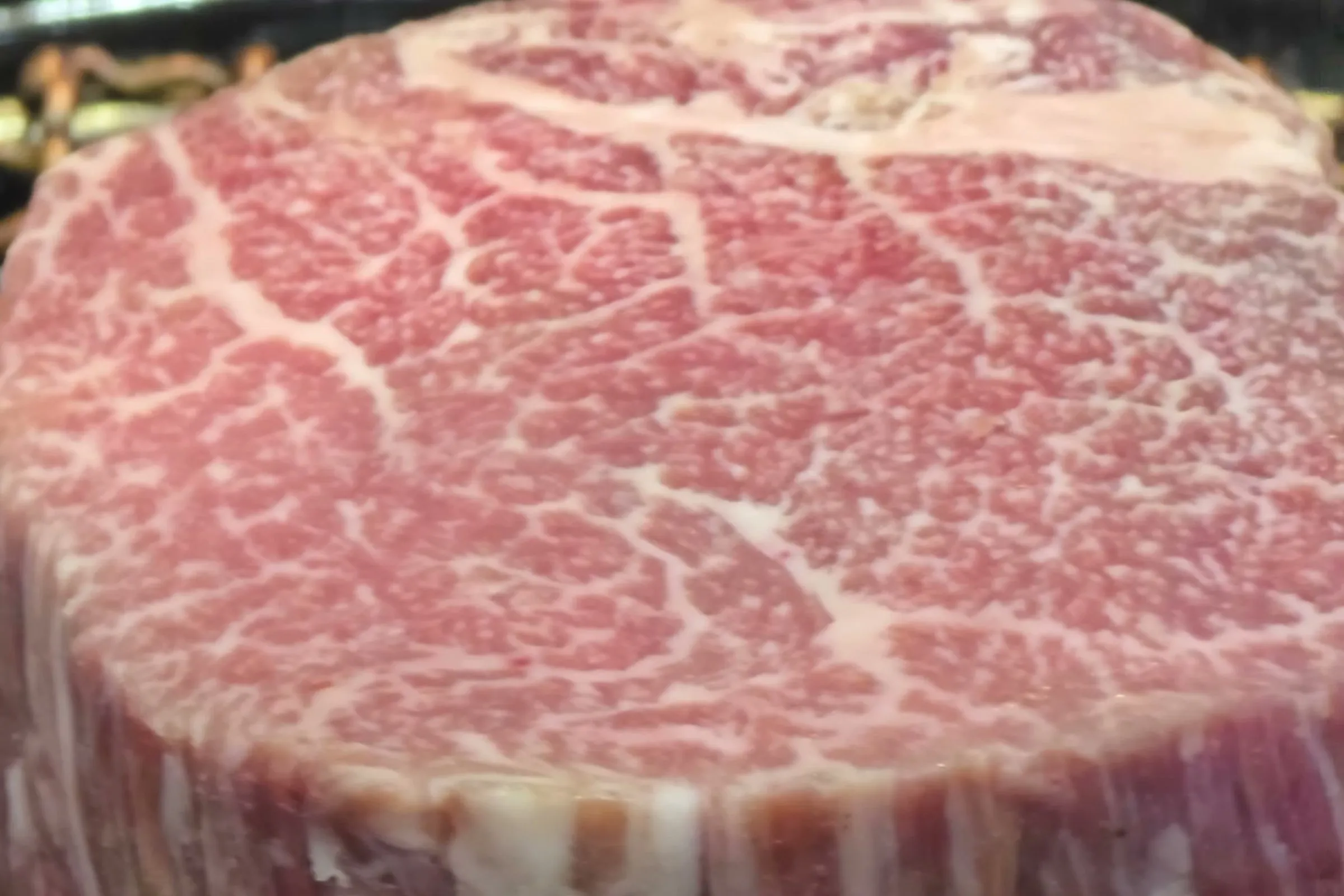 Apgujeong, Gangnam, Seoul
Miu
Tongue first, tenderloin last, kimchi on everything.
₩87,000 2026/09 video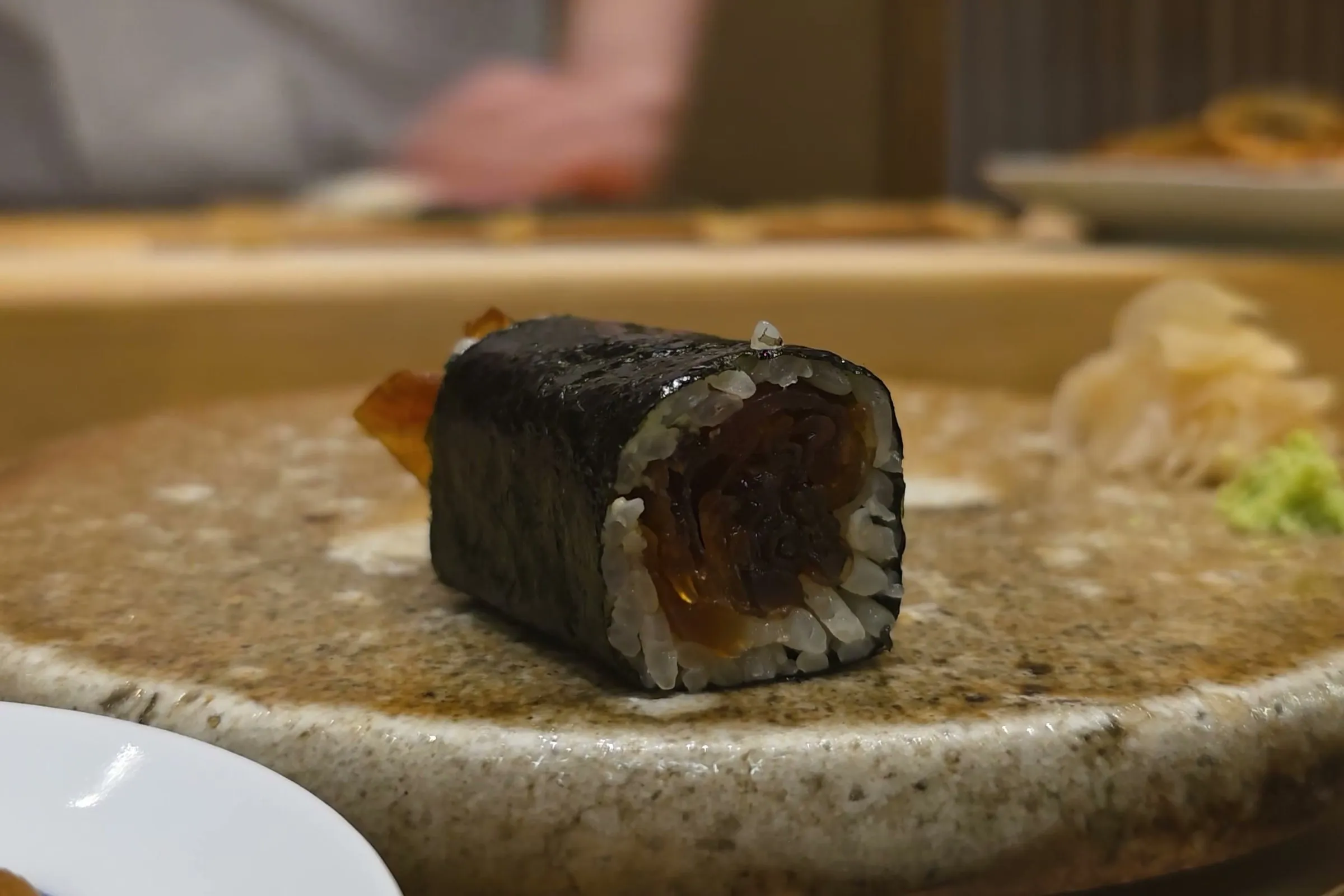 Sinsa-dong, Gangnam, Seoul
Sushi In
Eight seats, the best rice in Seoul, and no way in without a regular.
₩360,000 2026/10 video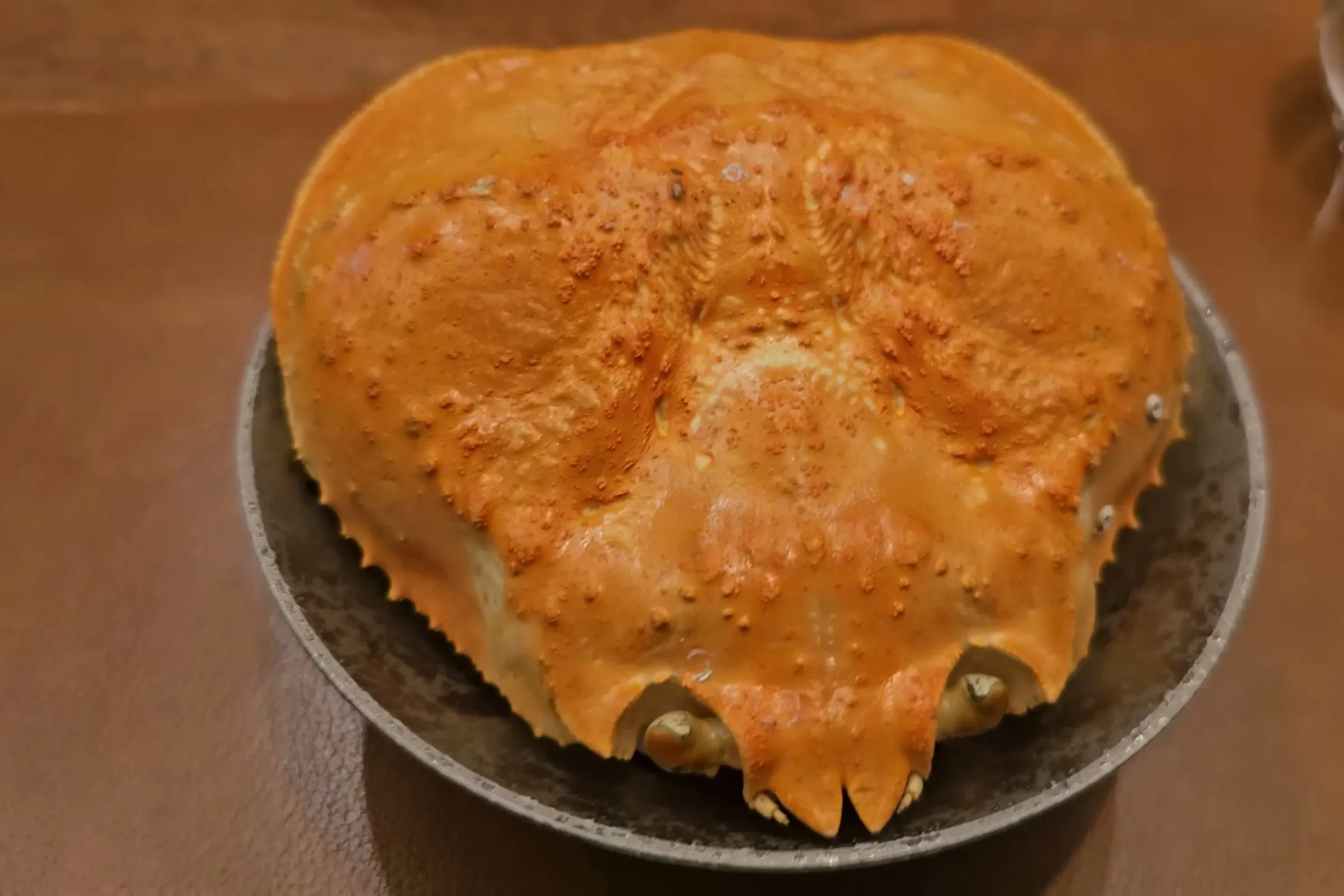 Cheongdam-dong, Seoul
Tenjimon
Den meets Toc Toc on a Cheongdam fourth floor. Kuruma ebi, a whole crab, wagyu, and pot rice you ask seconds of.
₩180,000 2024/07 videoSources
- 스시야 (Bundang) Polle
- 스시야 (Dosan-daero) Polle