Guide
Sushi etiquette in Japan is simpler than the internet says
Everything I’d tell a friend before their first omakase in Japan. Most of the rules you read online don’t exist. The real ones fit in one line. Don’t make the chef or the guest next to you uncomfortable.
monster gourmetFrom 8 of my videos, 2019/06 to 2025/10
The short version
- No homework. Ask the chef anything during the meal.
- Start with the cheapest omakase. Every step up in price brings its own thrill.
- Nobody checks what you wear unless it’s slippers.
- Be on time, then wait for the door to open.
- Ask before you film, and keep other guests out of the shot.
- Hands or chopsticks, both fine. Don’t leave a piece sitting.
- No soy or wasabi in front of you means the piece is already seasoned.
- Drinking is optional. Red wine usually isn’t allowed.
- Ask whether an extra piece costs more before you order it. No tipping.
You don’t need to study first
People kept asking, so in 2019/07 I put together everything a beginner needs. I’ve added what I’ve learned since, at counters in Tokyo and Seoul.
First, don’t be scared of a sushi counter. You’re a customer who came to eat. If it tastes good, that’s reason enough to go. If sushi isn’t your thing, there’s no reason to go at all.
You don’t need to read up. I’ve never read a book about sushi, so I don’t have one to recommend. I ate a lot from a young age and talked with a lot of chefs, and it stuck. If something makes you curious during the meal, ask the chef. Nearly all of them are happy to explain.
And don’t believe everything you’re told. Looking back, older chefs told me plenty that was wrong. Get close to one chef, take every word as gospel, and you pick up their mistakes too. Same for people who act like they know sushi, bloggers, YouTubers, me included. Some will tell you there’s a correct order to eat in and a correct way to hold each piece. Ignore them. Knowing roughly how things go is plenty.
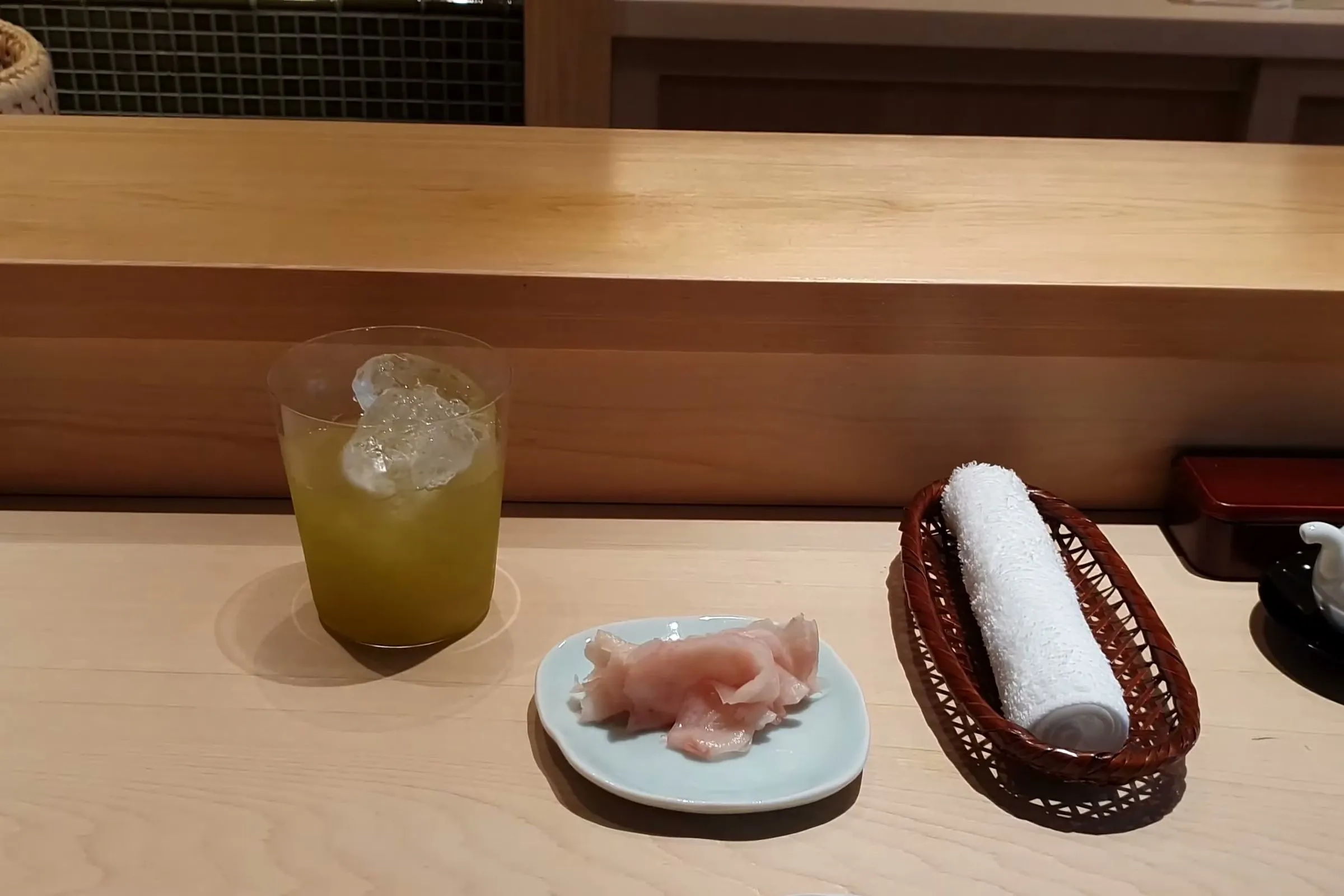
Start with the cheapest omakase
The question I get most is where to start. The cheapest omakase you can find. Always.
Going from platter sushi to your first omakase is a huge jump, even at the cheapest counter in town. And every time you move up a price level, that thrill comes back once more. Start at the most expensive place and it hits hard, sure. Then there’s nothing left to feel. How sad is that.
Entry-level, mid-range, high-end. I don’t know who drew those lines. The only real measure is price, and it keeps moving. A few years before 2019, a dinner over ₩100,000 (about US$80, 2019/07) counted as high-end in Seoul. By 2019 people called that mid-range, because every price had gone up.
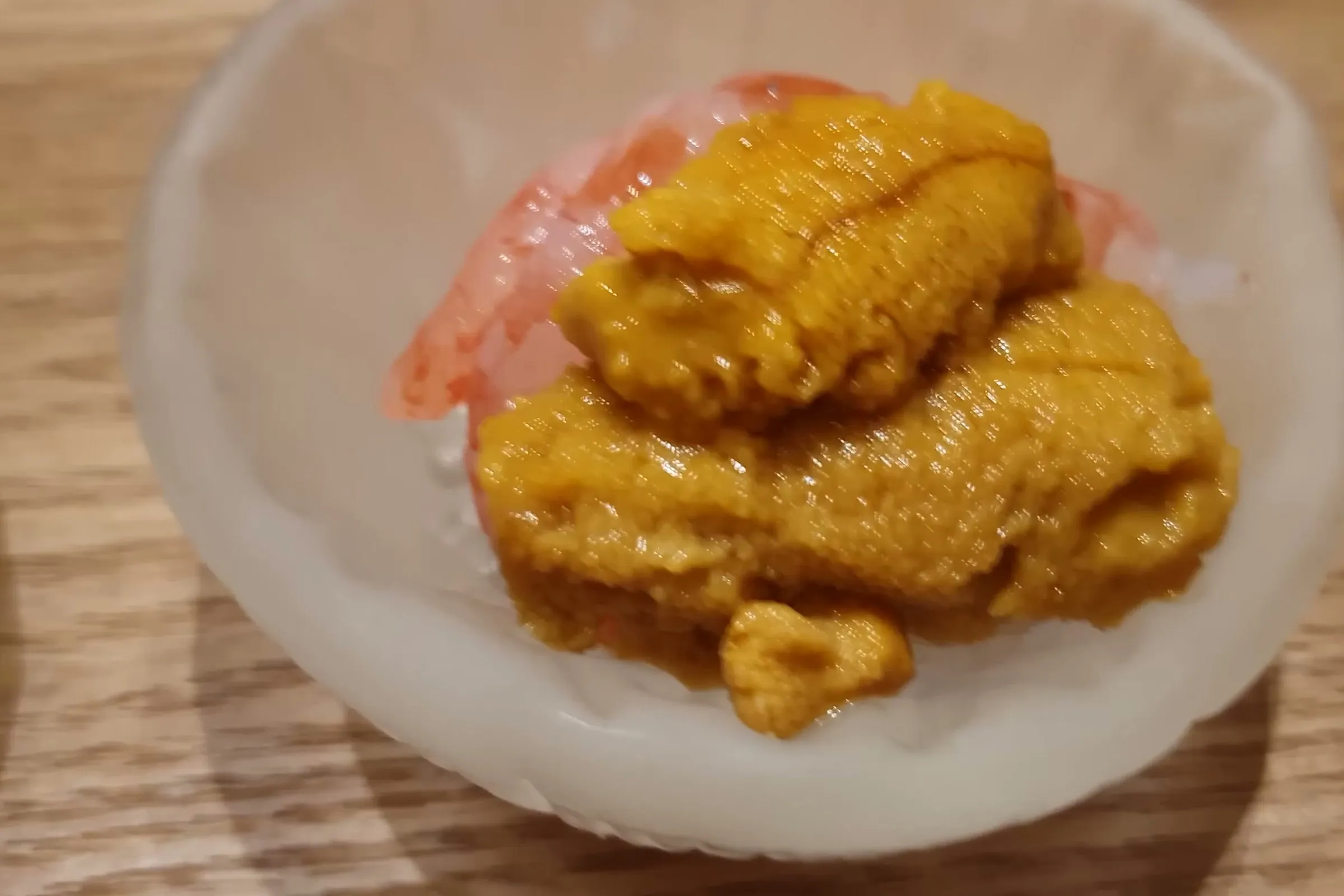
What a good first omakase looks like
My pick for a first omakase in Seoul back then was Sushi Dou near Seocho station, ₩60,000 (about US$50, 2019/11) for dinner. I’d planned to try two or three more places at that price before naming one. After Sushi Dou I didn’t bother.
It wasn’t perfect. The chef worked alone, so some things came out too hot and some too cold. The tuna was honestly bad. When the chef kindly offered me a little extra toro, I said no, and it wasn’t because I was full.
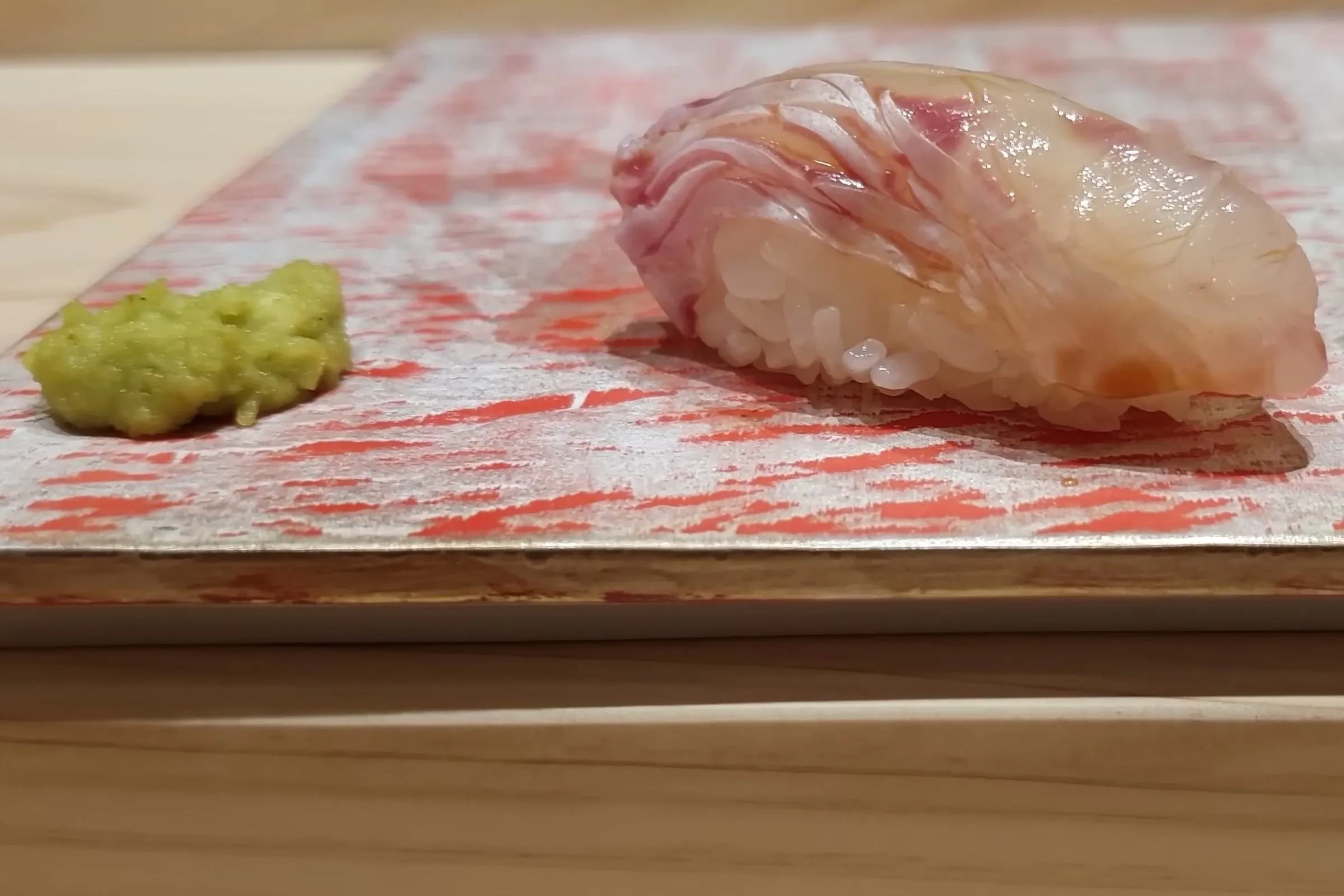
But the rice. Smooth on the surface, chewy at the core, better than plenty of pricier counters, and still warm on the last piece. The nigiri was pressed gently and came apart in my mouth. The seasoning wasn’t loud like the trendy places, or flat and sweet like the old ones.
That’s what a first omakase should give you. A baseline. Start somewhere like that, then go find the rice you like.
What to wear, and your shoes
My joke rules from 2019. Wear shorts even in midwinter, like me. Take your shoes off like a house guest. Put your camera on the counter the second you sit down, so the chef feels the pressure. All nonsense.
Nobody says a word about what you wear unless it’s slippers. A few counters in Japan won’t seat you in shorts, but they’re rare. Shoes off? I’ve seen that once, at Tetsuka in Seoul. Never in Japan.
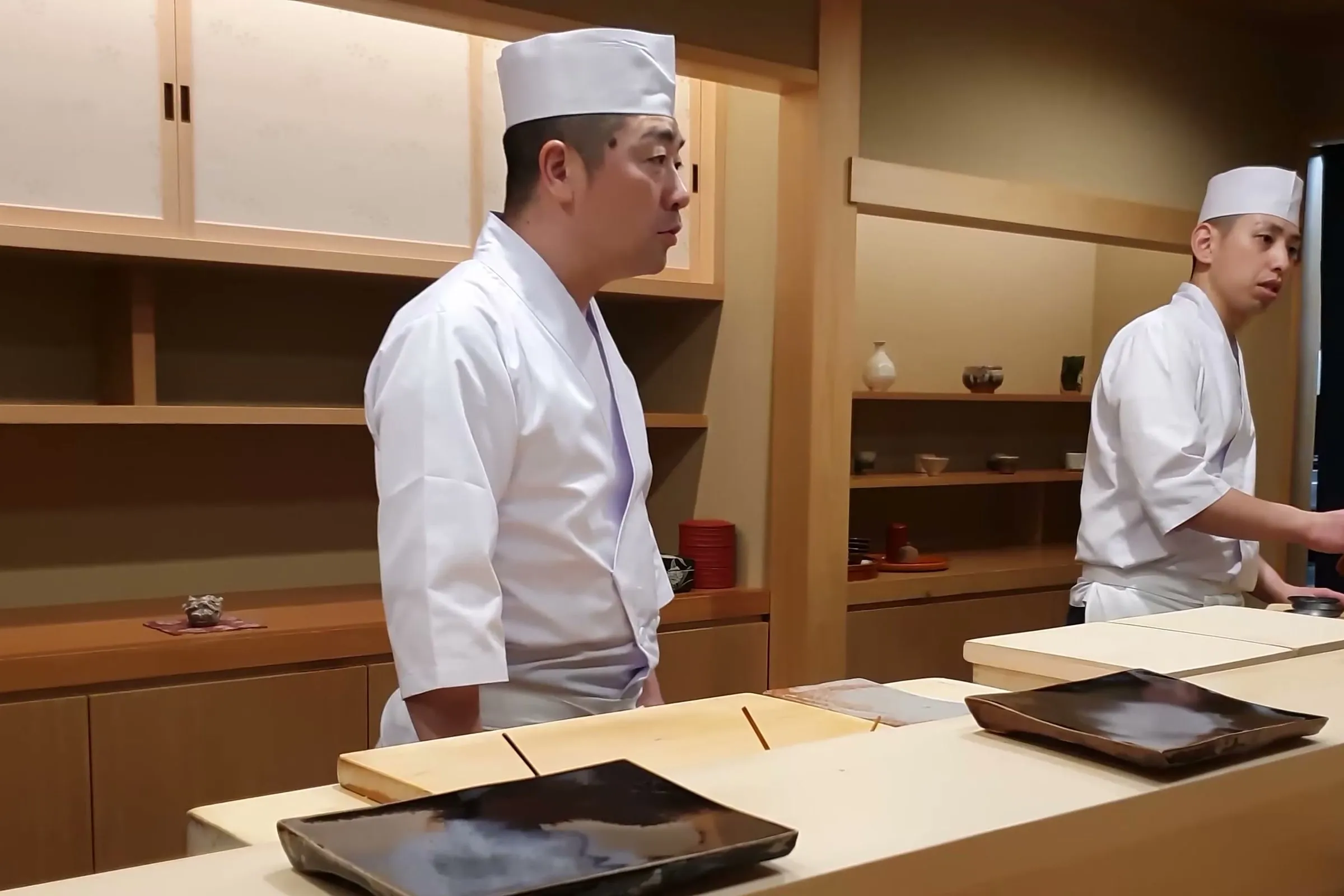
Be on time, but don’t barge in
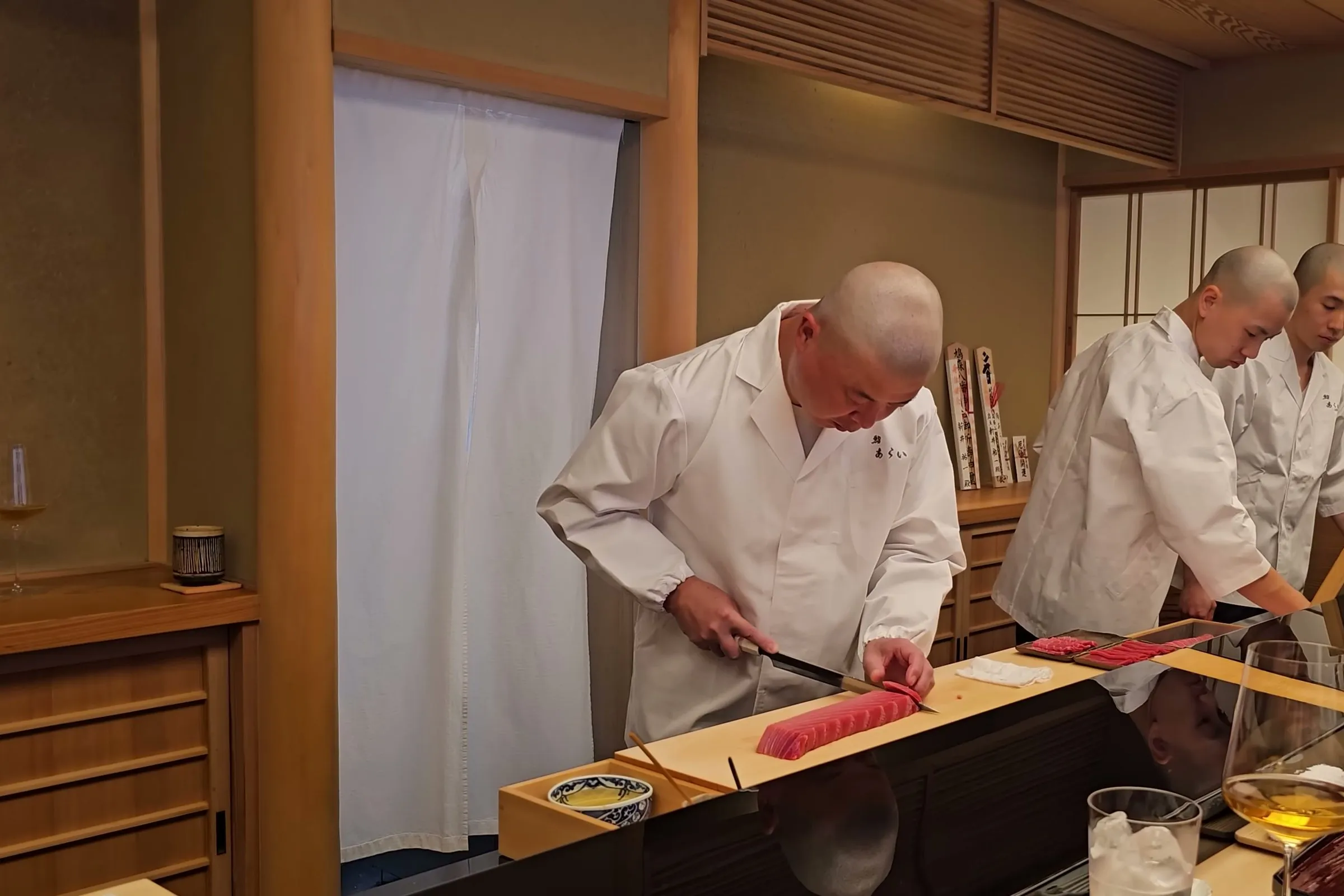
Be on time, and a little early is better. Early means waiting outside, though, not walking in. Most counters in Japan hang the noren, the short cloth curtain over the door, at the start time, and that’s when you go in.
At Sushi Arai in 2023/09 I got there about ten minutes early and meant to wait for the noren. A staff member happened to come back right then, saw me and opened the door. If they invite you in, go in. At Shimazu I was five minutes early and the door was still locked.
Where this happenedSushi Arai→Sushi Shimazu→
Ask before you film
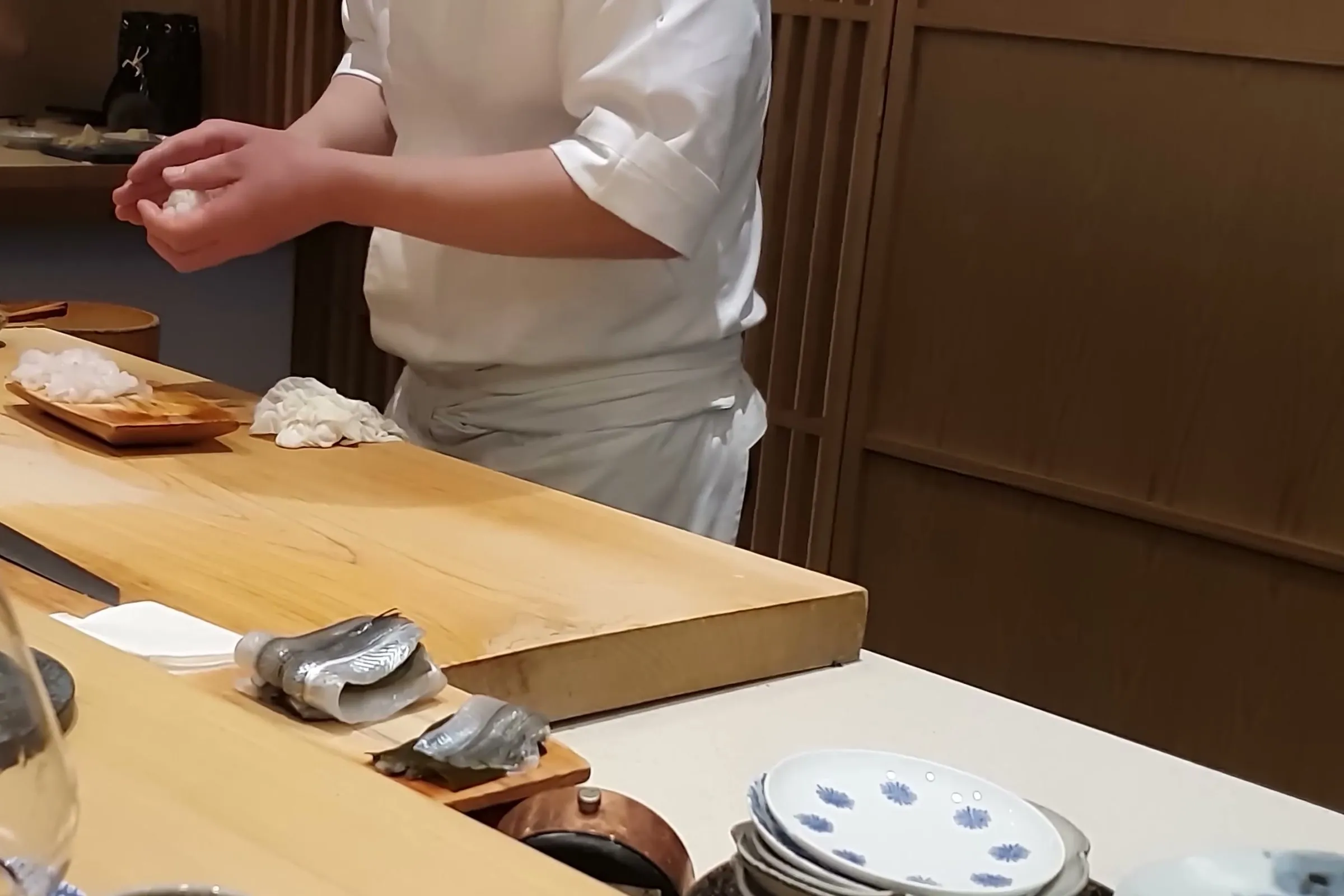
At a counter you haven’t been to, ask the chef first if photos or video are OK. Then take out your phone or camera.
If you set a camera down, staff will usually bring a cloth to go under it so it doesn’t scratch the counter.
Keep other guests’ faces out of your shots. At Sushi In the chef flashed a V sign while I was filming the nigiri. I kept the frame on the hands anyway, so nobody across the counter showed up.
Counters that don’t allow filming
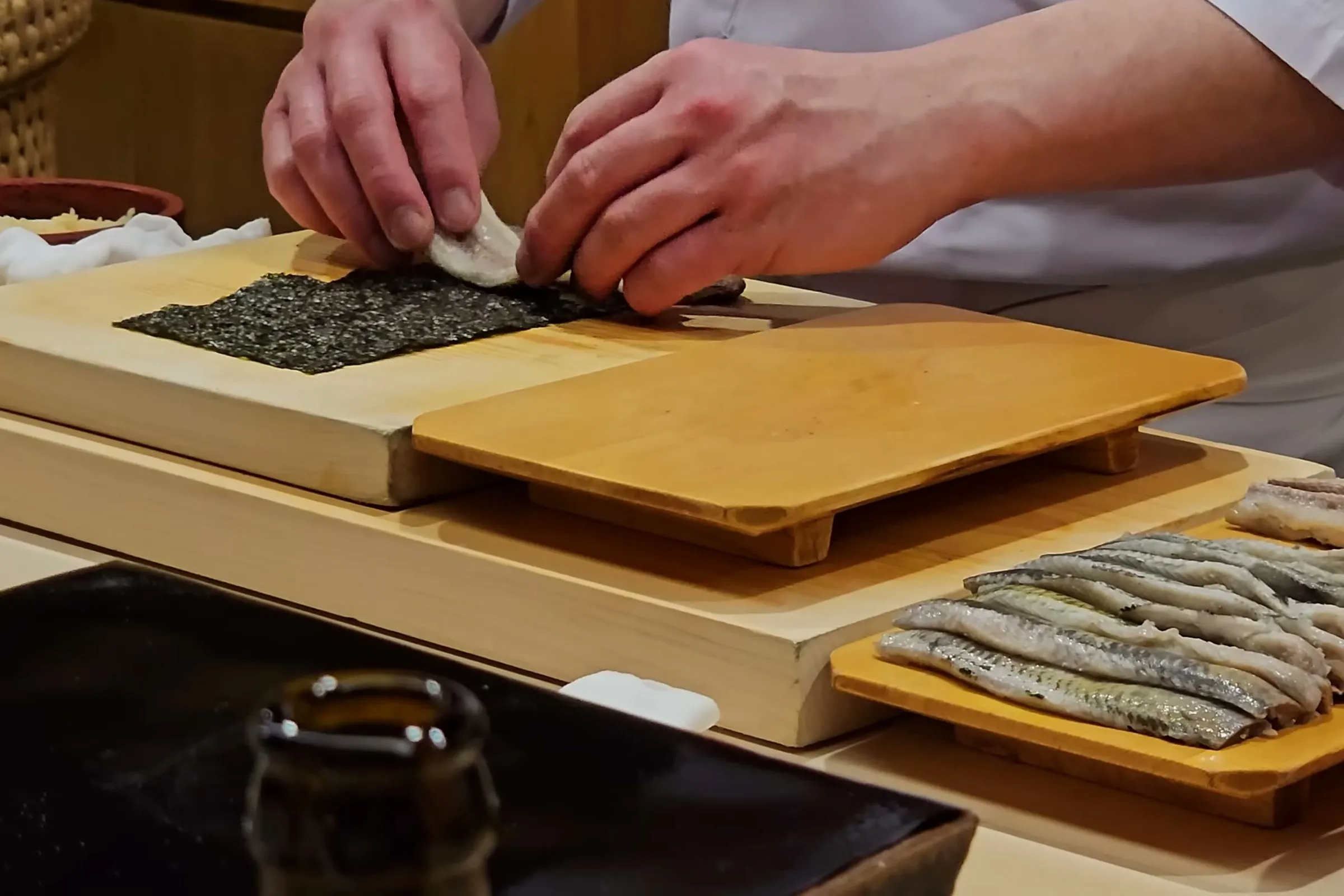
Some counters say no. Sukiyabashi Jiro doesn’t allow filming at all, so even if I went, I couldn’t show you. Sushi Arai lets you film the tuna and nothing else.
Sugita’s booking page says no YouTube filming. I’d been filming there without noticing. Once I knew, I stopped and only took photos for Instagram.
When I finally asked, Sugita said the way I film was fine. Some guests had complained. My guess is people who set a camera up on the counter and leave it running. I still held off for a while, so nobody could ask why I get to and they don’t. By 2024/05 I was filming there again.
Where this happenedSushi Sugita→Sushi Arai→
Hands or chopsticks?
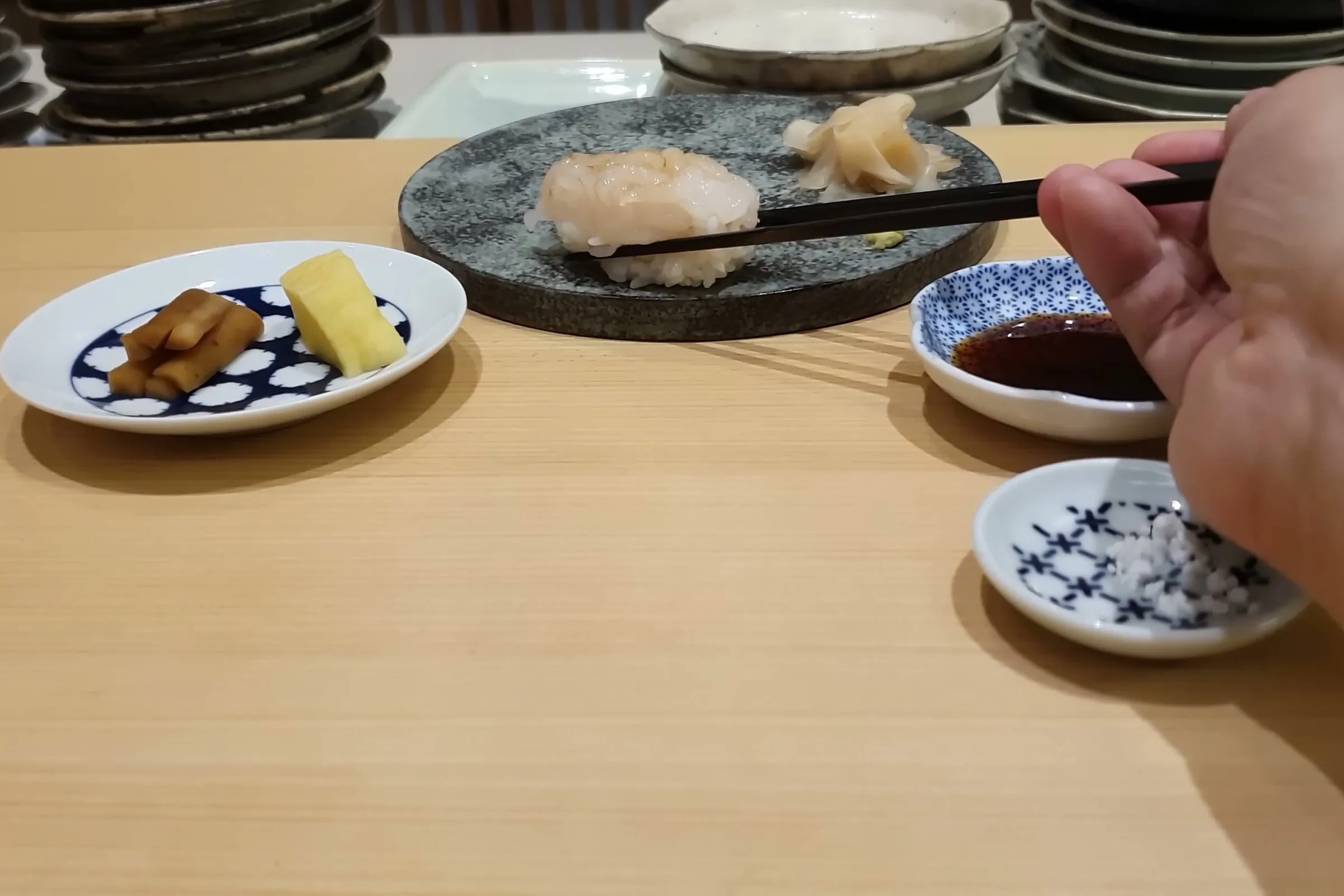
Hands or chopsticks, it makes no difference. People ask in my comments why I eat some pieces by hand and some with chopsticks. No reason at all.
I actually prefer chopsticks. I don’t like stuff on my fingers. But I’m holding the phone in one hand, and with chopsticks I can’t judge the distance, so lately it’s mostly my hand. At Sushi In I tried chopsticks for a change, couldn’t get a grip on the shiroebi, and ate it by hand anyway.
Eat it when it lands
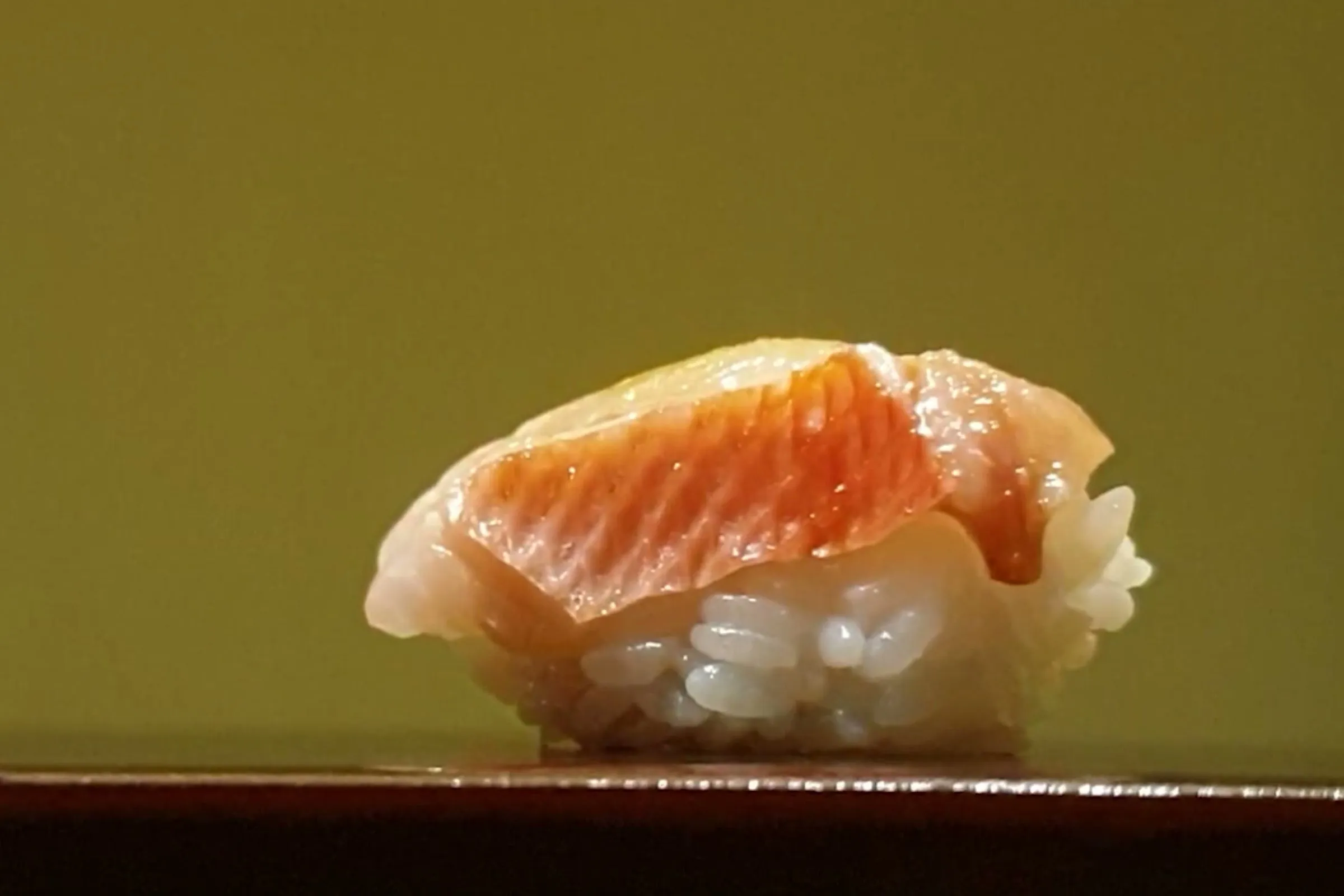
What matters more is not leaving the piece sitting there. Properly made nigiri settles onto the plate when the chef sets it down. Pick it up and it feels soft, like a cushion, and it falls apart the moment it’s in your mouth. Even people who say their palate is dull can feel that.
Plenty of famous counters in Japan can’t pull it off. At Sugita the piece sinks so far you can watch it happen. The rice is warm when it lands, too. Twenty photos later, it’s a different piece.
Where this happenedSushi Sugita→
Soy, wasabi and ginger
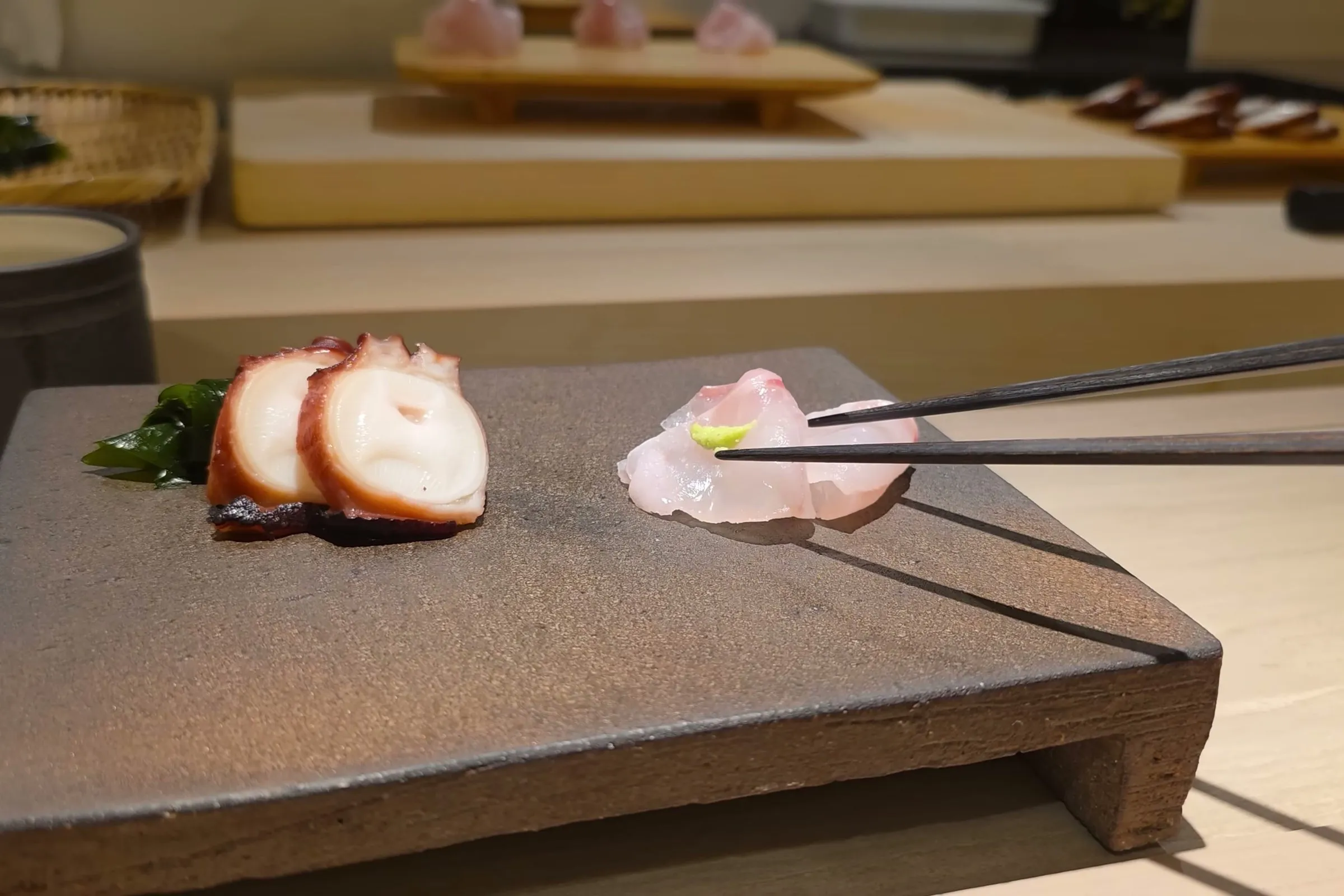
In Korea, soy and wasabi usually sit on the table for the whole meal. That habit comes from raw fish restaurants, where you stir wasabi into soy and dip everything. At counters in Japan they come out only for the pieces that need them, and go away again after. If there’s nothing in front of you, the chef has already seasoned the piece. Just eat it.
The order of the meal follows that. At Shimazu, the dishes that don’t need wasabi come out first, before the wasabi does.
When they do put something out, the chef usually tells you what to do with it. At Arai, with the sashimi, it was a little wasabi on top, then salt or soy, whichever I liked.
Gari, the pickled ginger, is there to reset your mouth between pieces.
Where this happenedSushi Shimazu→Sushi Arai→
Words you’ll hear at the counter
You don’t need Japanese. A few words help you follow what’s going on.
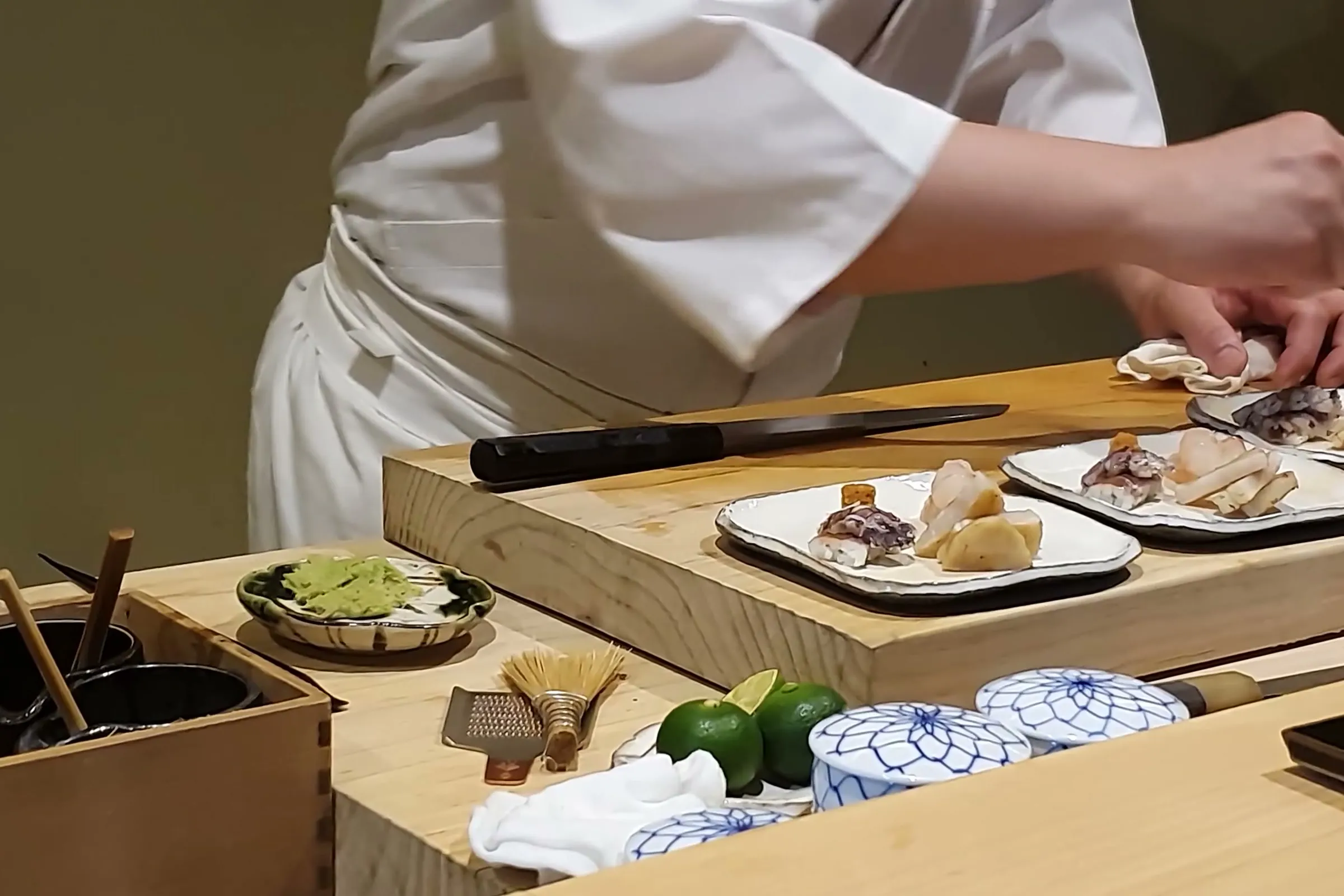
Most tsumami names end in -mono, and mono (物) just means thing. Sunomono is dressed in vinegar, makimono is rolled, yakimono grilled, agemono fried, and suimono is the soup. Isobe means wrapped in nori. Mackerel rolled in nori is saba isobe-maki, scallop grilled in nori is hotate isobe-yaki.
Sushi itself gets written four ways. すし in hiragana, 鮨 mostly around Tokyo, 鮓 in Kansai around Osaka, and 寿司. Where the word comes from? So many theories that none is worth trusting.
| Word | Japanese | What it means |
|---|---|---|
| Omakase | お任せ | Leave it to the chef. One set course. |
| Okonomi | お好み | Pick what you like, piece by piece. The usual way before omakase took over. |
| Sushi-ya | 鮨屋 | A sushi shop. 屋 means shop, so there’s tempura-ya and unagi-ya too. |
| Itamae | 板前 | The chef. Ita is the cutting board, mae is in front of it. You’ll also hear taisho. |
| Tsumami | つまみ | Small dishes before the sushi, mostly at dinner. Lunch usually goes straight to nigiri. |
| Nigiri | 握り | Short for nigiri-zushi. Nigiru means to squeeze. Su turns into zu after another word. |
| Shari | シャリ | The sushi rice. From 舎利, Buddhist relics, because the grains looked like them. |
| Neta | ネタ | The topping. Tane, ingredient, read backwards. |
| Gari | ガリ | Pickled ginger. |
Where omakase came from
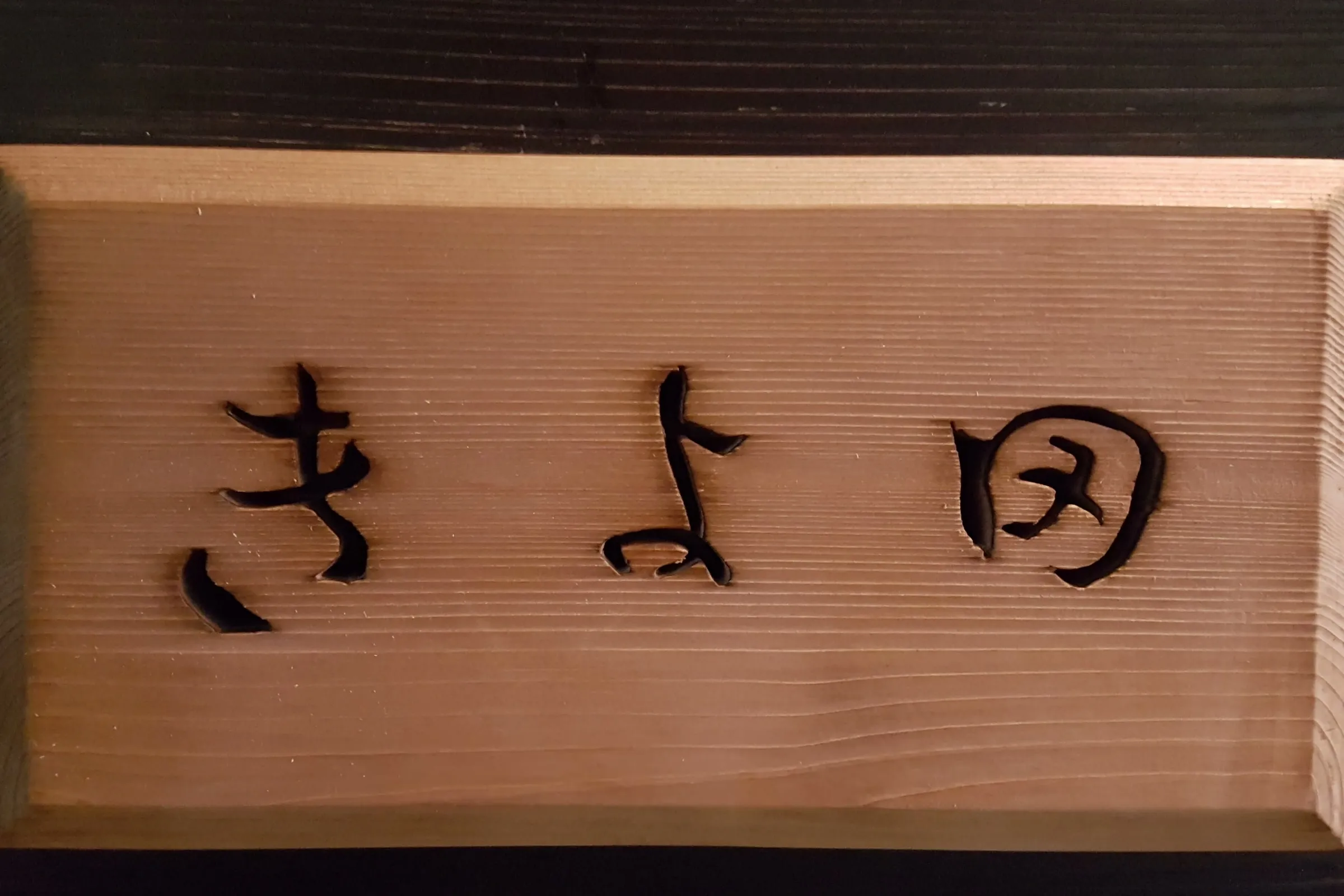
Omakase wasn’t always the way. Sushi used to be okonomi, guests picking their own pieces. The man usually credited with flipping that is Fujimoto Shigezo, still called the god of sushi, who was the first master at Kiyota when it opened in 1963. His attitude, the way I tell it: what would you know, just eat what I give you.
He’s also credited with the plain hinoki counter, the bare wood stage high-end counters still copy. Kiyota passed to Niitsu Takeaki, the second master, who moved it to Ginza 6-chome in 1968 and ran it through its best years.
So when someone tells you omakase means trusting the chef, that’s the polite version.
You don’t have to drink, and leave the red wine
Do you have to order alcohol to be polite? No. I can’t drink. Nobody in my family can, all the way back to my grandfather, and I’ve been going to these counters for years.
Some people say a shop must hate a guest who doesn’t drink, since that’s where the money is. Not at a sushi counter in Japan. A tokkuri of sake costs little there. Unless you drink until you can’t taste anything, a few extra pieces of sushi come to far more than the drinks the chef pairs for you. And the shop set its price knowing all that. Don’t be a jerk because you paid, but don’t feel guilty either. Order what you want to eat.
If a chef pours you something on the house, a small pour is fine. At Sushi In the chef gave me a glass of champagne and I asked for just a splash.
Most places have white wine, sparkling wine and sake, and nearly all of them have beer. Red wine usually isn’t sold and you can’t bring it either. The counter is bare hinoki wood, and nobody wants a red stain on it.
Extra pieces, the bill and tipping
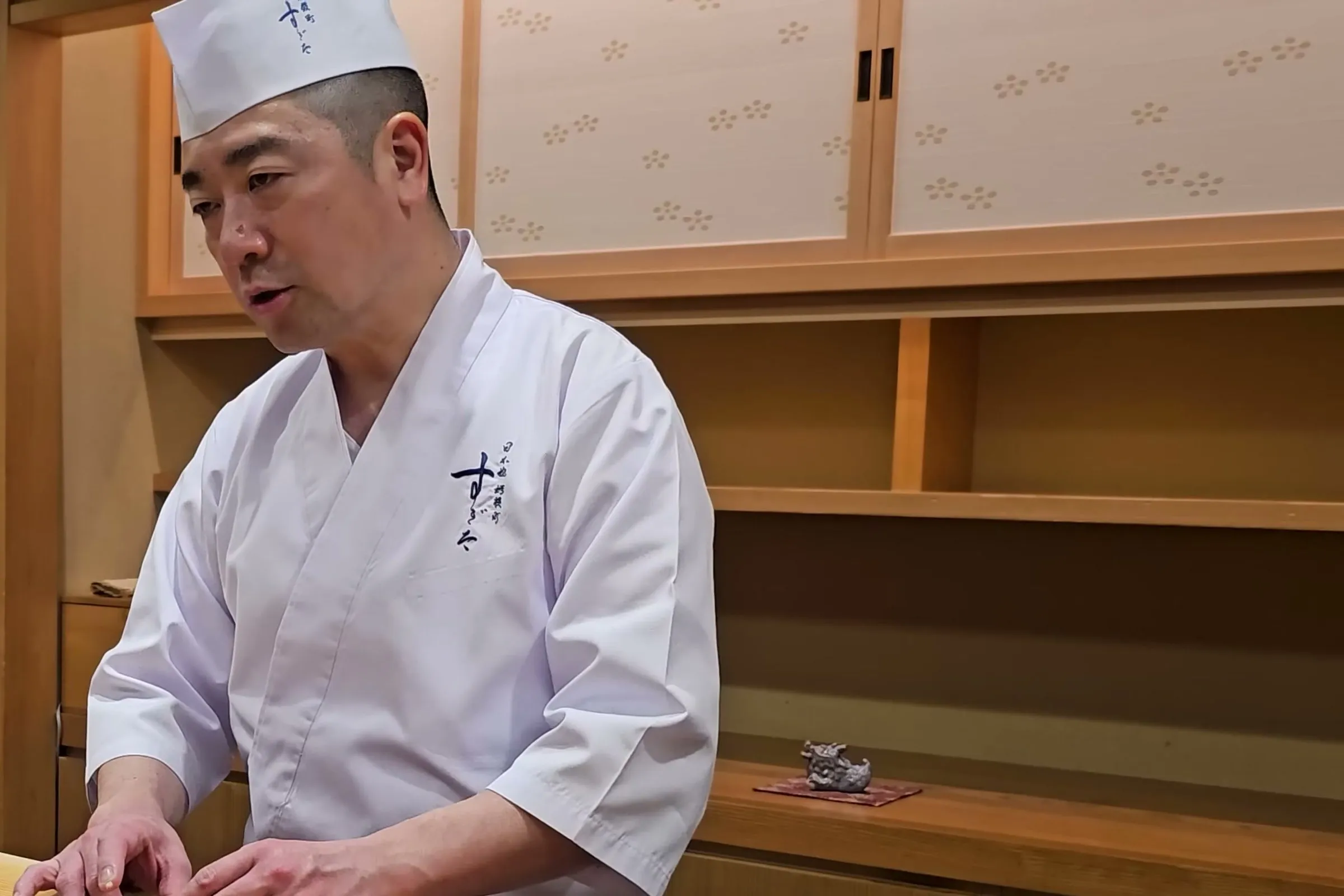
Still hungry, or want another round of something? Just ask. The chef will tell you whether it’s possible. If it’s an expensive ingredient, the chef usually mentions the extra charge first.
Usually. At some places the chef asks what else you’d like, you name a few things, and each one shows up on the bill. So if you’re not sure, ask whether it costs extra, and even how much. It feels a little uncool. It’s the safe move. At Sushi Cho in Seoul, one extra bowl of uni soba added more than ₩100,000 (about US$80, 2019/07) to a bill. True story.
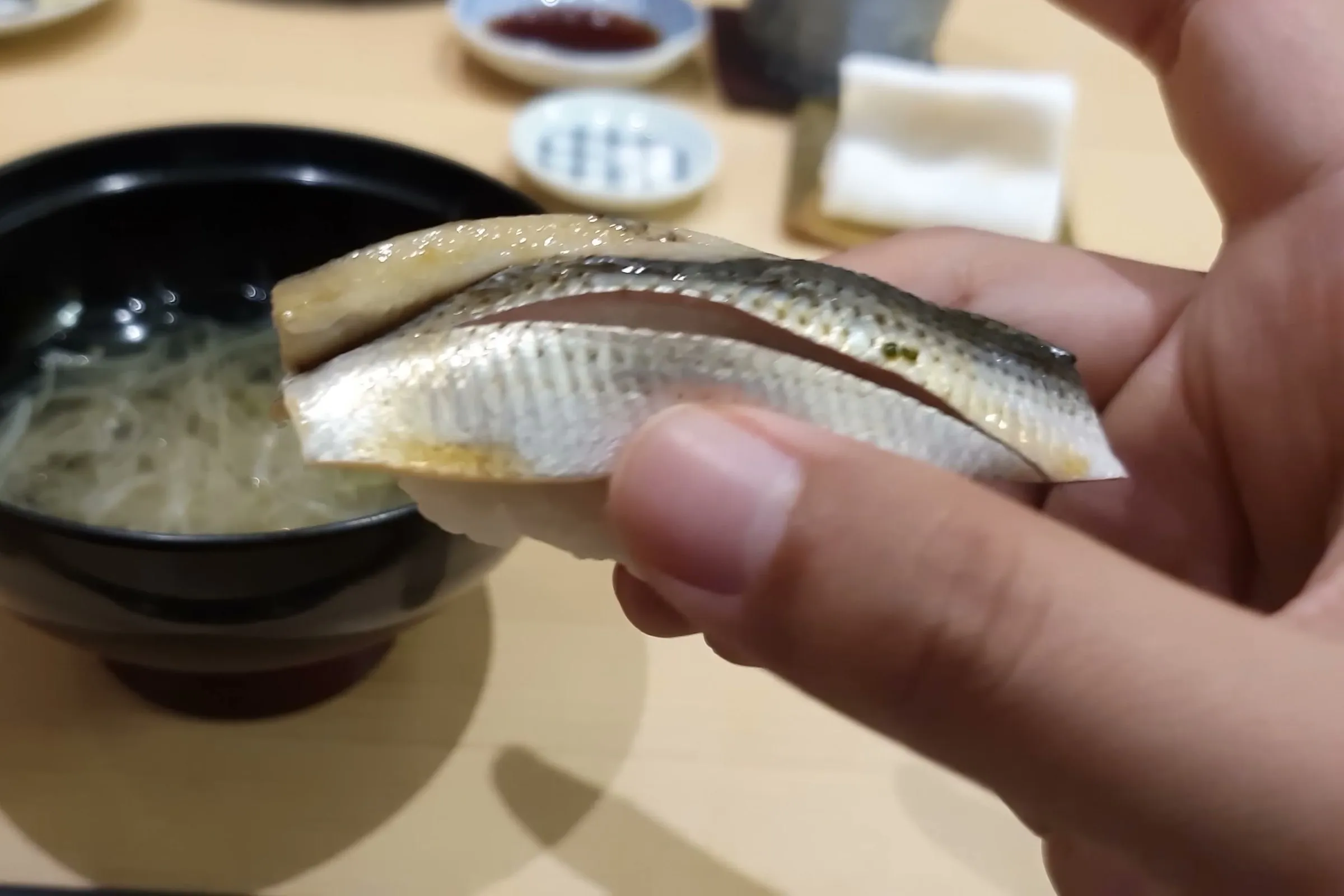
Asking for a second round of one piece is normal too. At Sushi In the kohada was so good that I asked for another, stuffed as I was. The chef looked surprised and asked if it was my first time ordering extra kohada. Close. I don’t even like kohada, and I’ve done it maybe three times in my life.
In Korea, the encore round at the end is almost a ritual. In Japan, some chefs ask and some don’t.
When you’re done, ask for the check at your seat. They’ll usually take your card, or you can pay cash. Don’t tip. Japan’s national tourism organization says tipping isn’t common at restaurants in Japan, and sushi counters are no exception.
Talk to the chef
Got questions, even after the last piece? If the chef looks free, ask. Chefs get bored too, and most of them enjoy talking about this stuff. It isn’t rude. Just don’t hold things up when other guests are waiting.
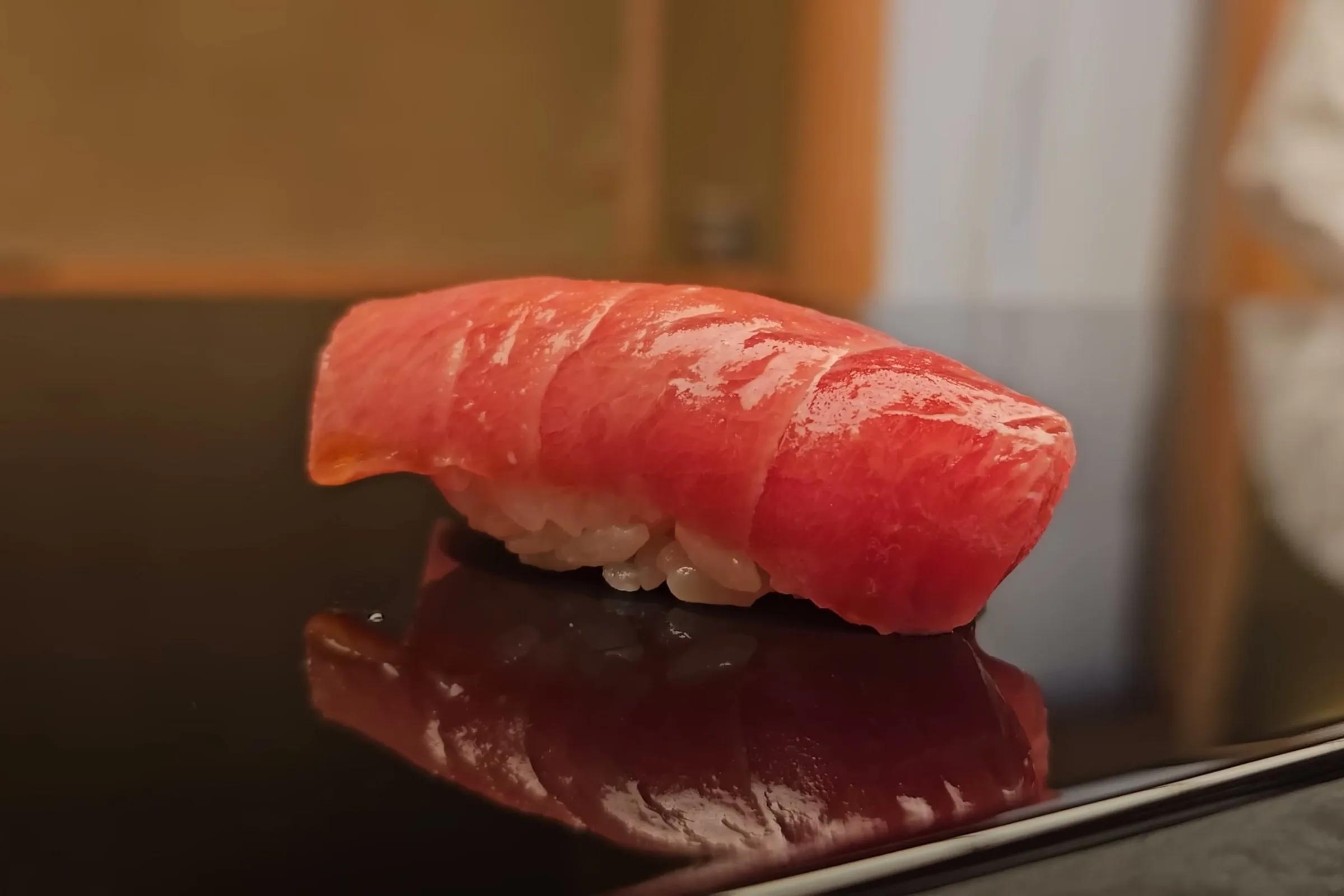
I’m lazy about it myself. Unless the chef explains something, I rarely ask. But at Arai in 2023/09 the tuna was so good that I had to know where it came from. Hachinohe, in Aomori.
That’s it. Don’t bother the chef or the people next to you, and the rest is eating.
Plan the Tokyo trip
The boring bits I’d sort before flying, so the eating days stay free.
- Hotels in Tokyo*
Pick the room by where you eat, not by the sights. After a long dinner, a short ride back is the real luxury.
- Japan eSIM*
Data from the moment you land, no counter and no SIM swap. Set it up the night before.
- Keisei Skyliner from Narita*
Narita to Ueno in about 40 minutes. Buy it ahead and walk straight to the platform.
- Haneda airport limousine bus*
Landing at Haneda instead? The limousine bus drops you at the big hotels and stations with no transfers.
- Tsukiji Outer Market food tour*
A market morning with someone who knows which stalls are worth the line.
- Sushi-making class at Tsukiji*
Shape nigiri yourself once and the counter makes a lot more sense.
Links marked * are affiliate links. If you book through them I may earn a small commission, and you pay the same. How it works
The videos this guide comes from
- Sushi Omakase for Beginners: Etiquette, Terms & Extra Orders14:592019/07
- Proper Sushi must sink on the plate!7:072019/06
- The Best Sushi place for who never tried Omakase before12:392019/11
- Legendary Sushi restaurant in Seoul, Korea. Impossible to book!10:102019/11
- How does the Sushi from Ono Jiro’s apprentice Taste like?! [Sushi Mizukami] in Tokyo12:362020/03
- The Tuna King Returns6:462023/09
- Surprise Worship21:442024/05
- Big and Beautiful!16:582025/10
Sources
- Tipping in Japan Japan National Tourism Organization
- Omakase【おまかせ】: Meaning, Use and Context Sushi-Pedia
- その十 「きよ田」 すしの系譜 (blog)