The best all-round sushi deal in Seoul
Sushi Shimizu (스시 시미즈) is chef Lee Kwang-yeol’s basement sushi counter near Dosan Park in Apgujeong, Seoul. Dinner omakase was ₩220,000 a person, about US$150 (2024/12), when most good Seoul counters started at ₩250,000. Would I go back? Yes. Put price, location, how hard it is to book and the taste together, and I can’t think of anywhere in Seoul with more going for it. It books on CatchTable, and it booked right away for me. The course is classic in a good way: chawanmushi first, hirame and tai as the first nigiri, warm crab, and an anago that I’d call the real signature. The misses were the aji and the tuna.
monster gourmetFrom my 2024/12 video
- My share
- ₩220,000
- about US$150, dinner omakase per person, 2024/12 video
- Highlight
- The anago nigiri, soft with chewy skin, and the warm crab
- Skip
- Expecting the tuna to be the reason you came
- Video
- 13:34
- 2024/12
- Where
- Apgujeong, by Dosan Park, Seoul
₩220,000 when everyone else went to ₩250,000
Dinner at Sushi Shimizu was one omakase course at ₩220,000 a person, about US$150 (2024/12). By then most decent Seoul counters started dinner at ₩250,000, and the Tokyo counters had raised their prices like crazy. That price is a big part of why it felt so competitive coming back.
It has gone up slowly. Dinner was ₩185,000, about US$160, back in 2020/10, and still ₩185,000 in 2022/04. The first meal I filmed here was lunch at ₩110,000, about US$100, and a friend paid (2019/02).
What it costs now: in 2026/10 lunch was listed at ₩120,000, about US$90, and dinner reviews mentioned ₩240,000 to ₩270,000, about US$180 to US$200. I haven’t paid those myself.
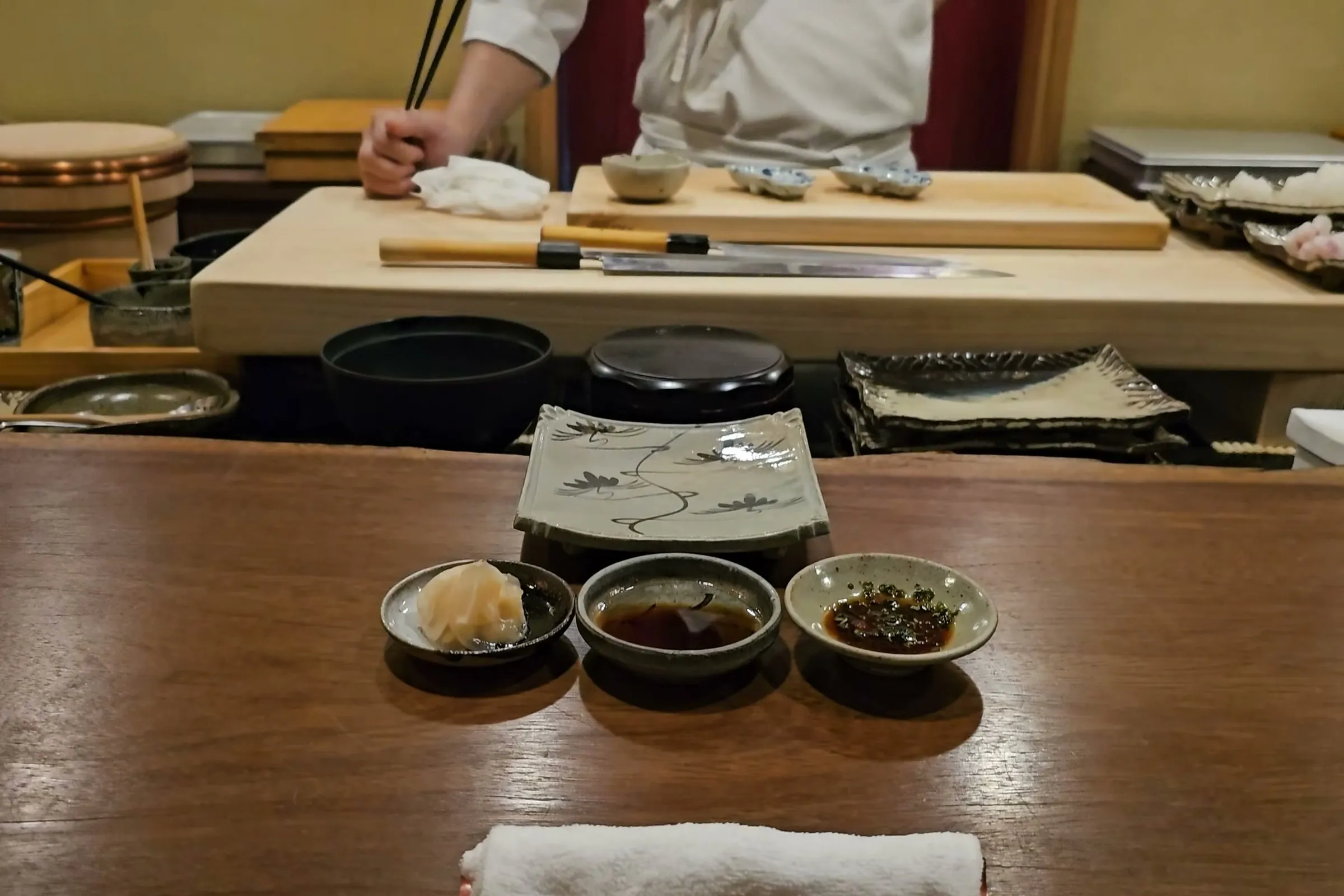
How to book Sushi Shimizu
CatchTable. It’s the Korean booking app, and Sushi Shimizu has a page on it (checked 2026/11). Groups of four or more phone instead, 02-543-0887 (2026/10). The address is 11-3 Eonju-ro 152-gil, basement 1, a short walk from Dosan Park.
I’d been eating in Japan so much that I hadn’t been to a Korean sushi counter in ages. A friend said they wanted sushi, I went digging through bookings, thought, right, I’d forgotten this place, and it booked right away (2024/12).
Back in 2020 I worried that saying how good it was would make it hard to book, and apologized in advance to the regulars (2020/10). If everyone piles in now, the booking part of my score will drop. For now it doesn’t seem hard.
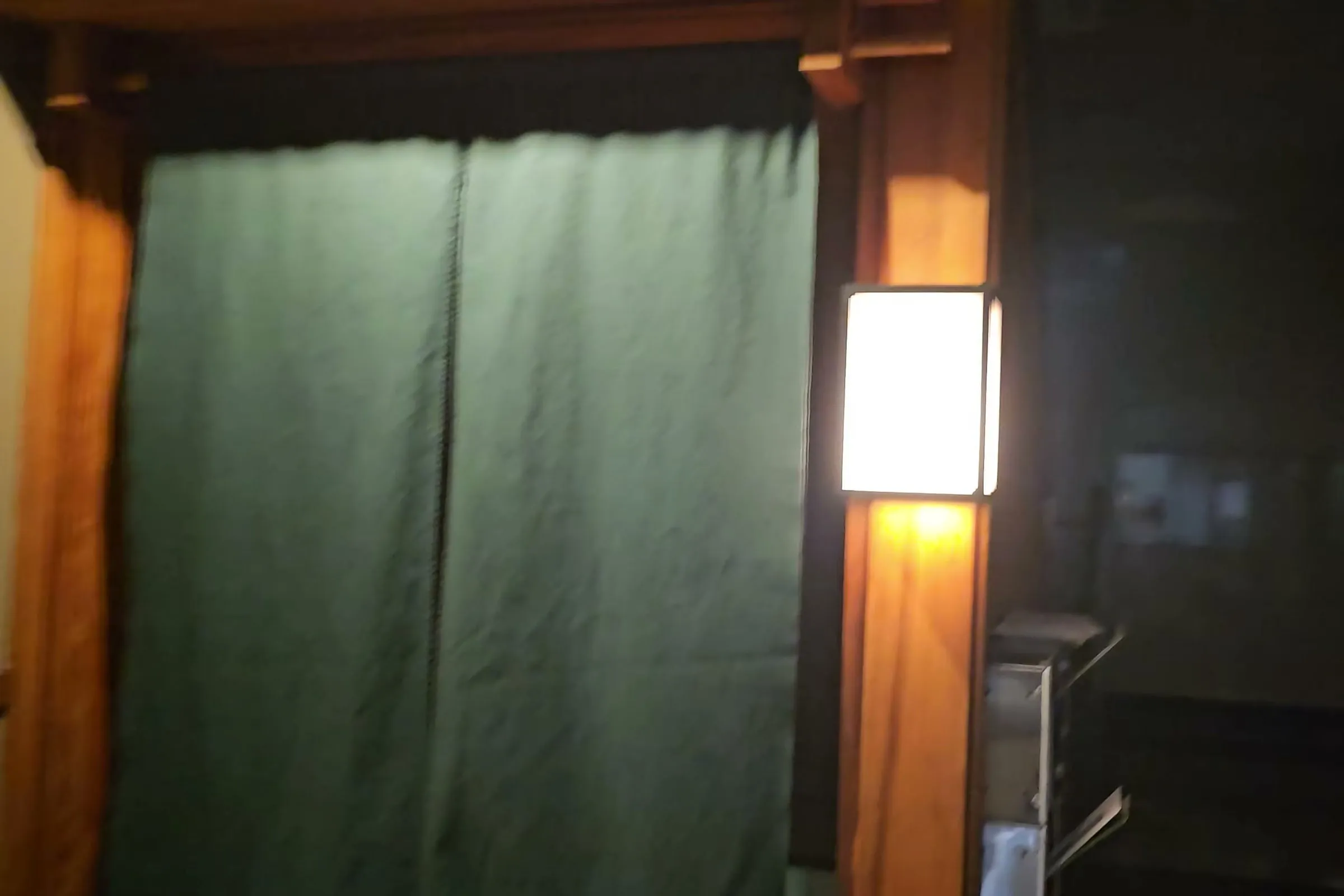
The chef is back, and he remembers everything
For a while chef Lee Kwang-yeol often wasn’t behind the counter during service. Now he’s back, and the form came back with him (2024/12).
My first visit, right after it opened, let me down, and I wrote a harsh review on my old blog. To be fair to Shimizu, it wasn’t bad. People online were calling it the most Japanese counter in Seoul with unusual rice, and with the first piece I thought, this is the same vinegar everyone uses. I asked the chef. It was. His hands looked nervous back then too. I usually don’t care about knife work, but when the food isn’t great you start seeing things (2020/10).
I don’t usually go back to a place that let me down. Life is too short to keep checking whether a bad meal got better. An older friend took me a second time, and it got better on every visit after that. Today his hands are great to watch. It wasn’t improvement. He was just nervous at the opening.
And he remembers feedback. I’d said the soy glaze was too sweet, and the next time he asked if the soy was okay, and said he’d thought it was a bit sweet too and cut it back. He’d also dropped the bitter greens he used to put on the chawanmushi. Small things, and they got me (2020/10).
A classic course, the way Seoul sushi used to be
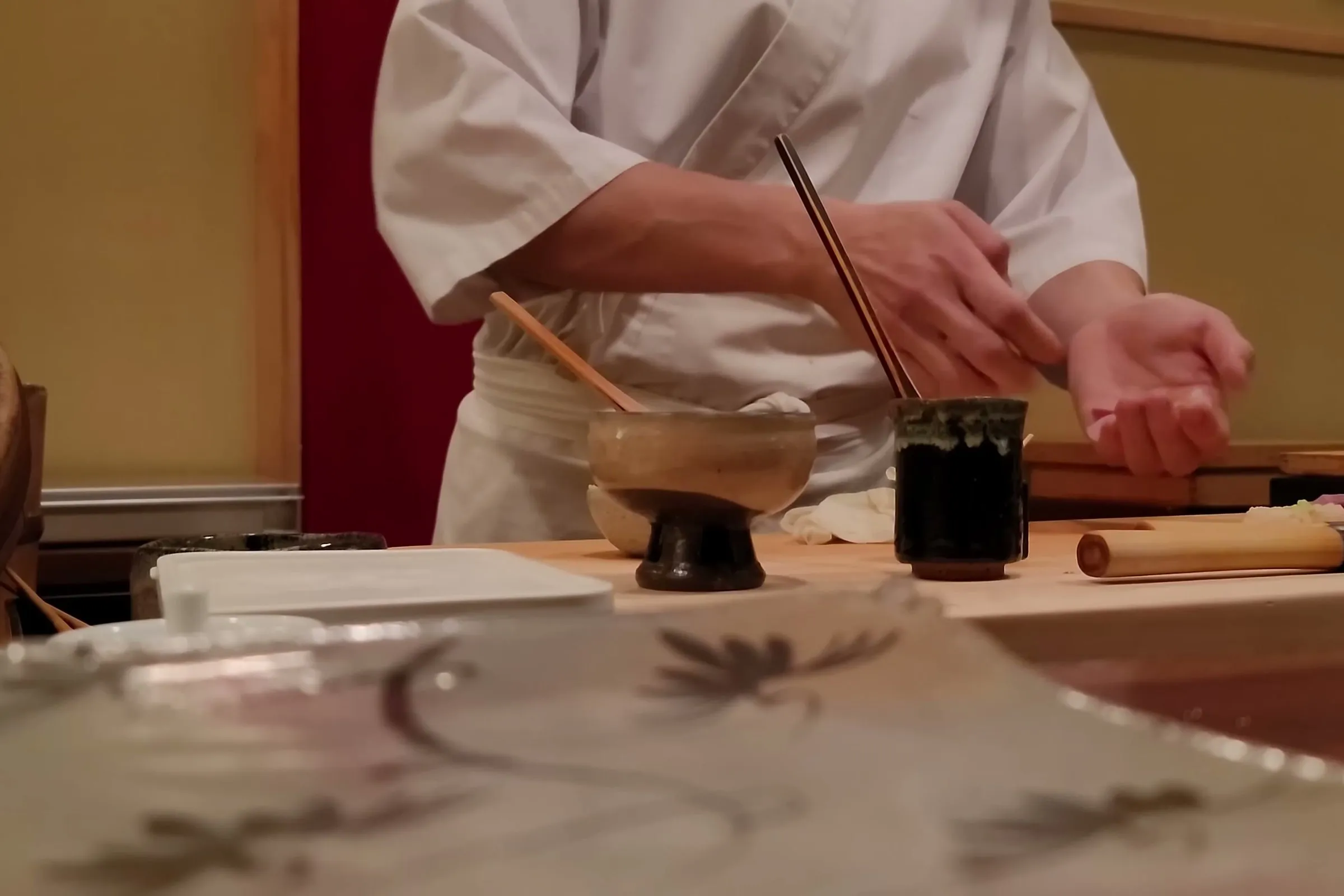
Sushi Shimizu still starts with chawanmushi, which used to be the unwritten rule and almost nobody does now. The sweet and salty an sauce on top, the dashi, the egg texture, even the size of it: textbook. Other counters pile on turtle, konowata, karasumi or shirako. This is the chawanmushi we grew up thinking of (2024/12).
Then the nigiri open with hirame and tai, the national fish, the way old Seoul sushi restaurants always did. These days counters use fewer white fish and change the order, so this is the rarer sight now, and it’s nostalgic. The tai was the fatty belly, cut thick and generous, and the rice balls run a bit big. Classic again.
The otsumami are old-style too: not many cooked dishes, more sashimi. The shellfish came two in a row, then two grilled fish in a row. I liked seeing galchi, hairtail, again. I ate so much of it for a while and then it disappeared from my meals (2024/12).
The rice leans on red vinegar now
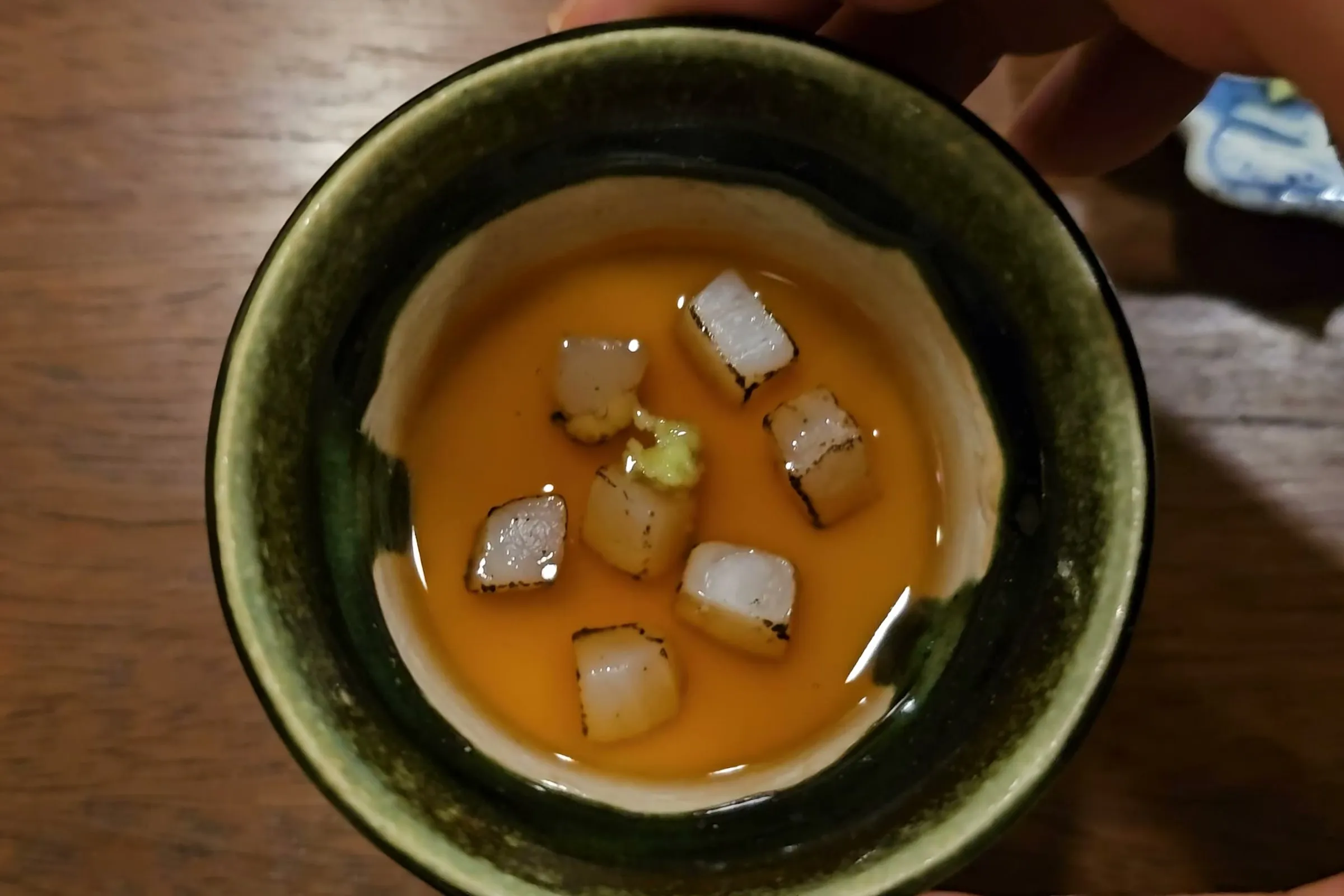
The texture was cooked just the way I like. The taste surprised me. In my memory Shimizu’s shari was salt-forward. This time the akazu, red vinegar, aroma led, and the salt was no stronger than anywhere else (2024/12).
Maybe it’s been too long and my memory is off. Either way, it’s the direction a lot of Seoul rice is going.
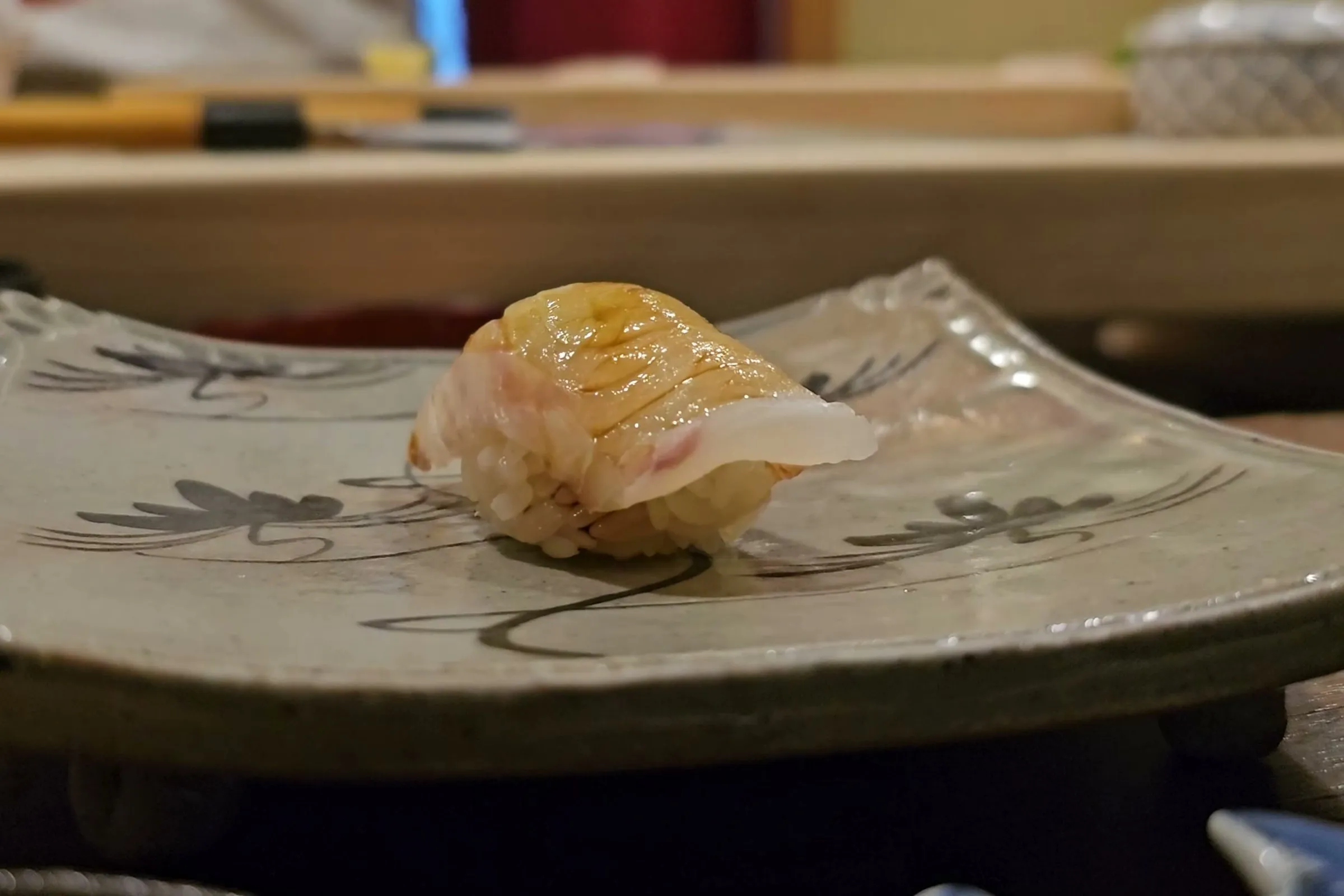
Warm crab, the reason I like Shimizu’s
The crab here comes out warm. That’s why I like Shimizu’s. As I got older I stopped liking crustaceans cold: I’d take a warm kuruma ebi over raw amaebi or botan ebi, and lobster hot with melted butter over a cold lobster roll. Snow crab is everywhere at Seoul counters, and Shimizu’s is the one that tastes better, because it’s warm (2024/12).
Hamaguri came like shabu-shabu with ponzu, and the yuzu zest on top went with it perfectly. Then hokkigai, surf clam, grilled with a sweet glaze and its broth spooned over. I like a little extra wasabi on it (2024/12).
At opening the hokkigai came barely cooked and tasted fishy, probably because he was confident in it. I’d rather surf clam is cooked properly (2020/10).
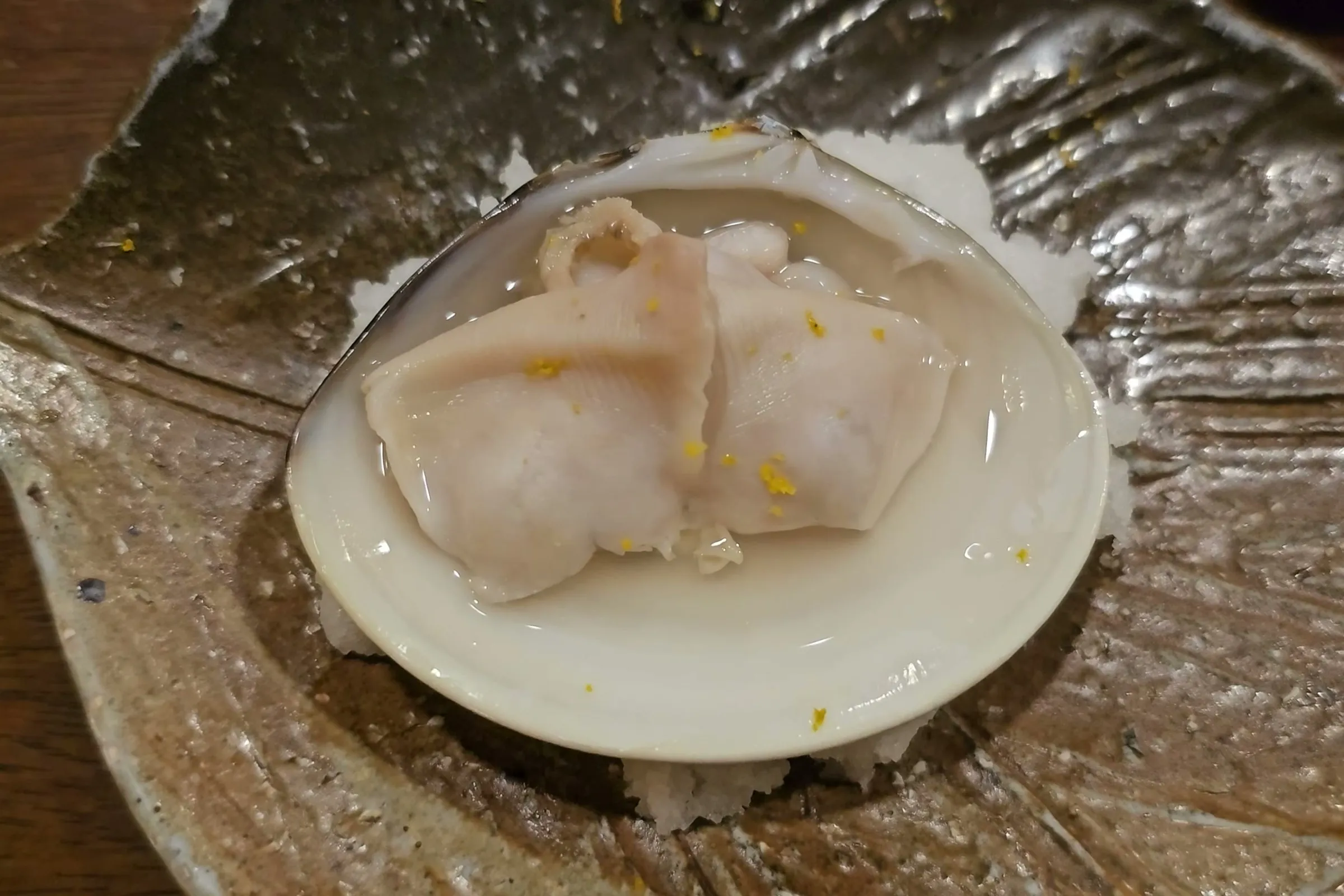
The famous herring
The herring isobe maki has been close to a signature since Shimizu opened. Herring is easier to get in Korea, cheaper, and swings less by season, so it’s always good here (2020/10).
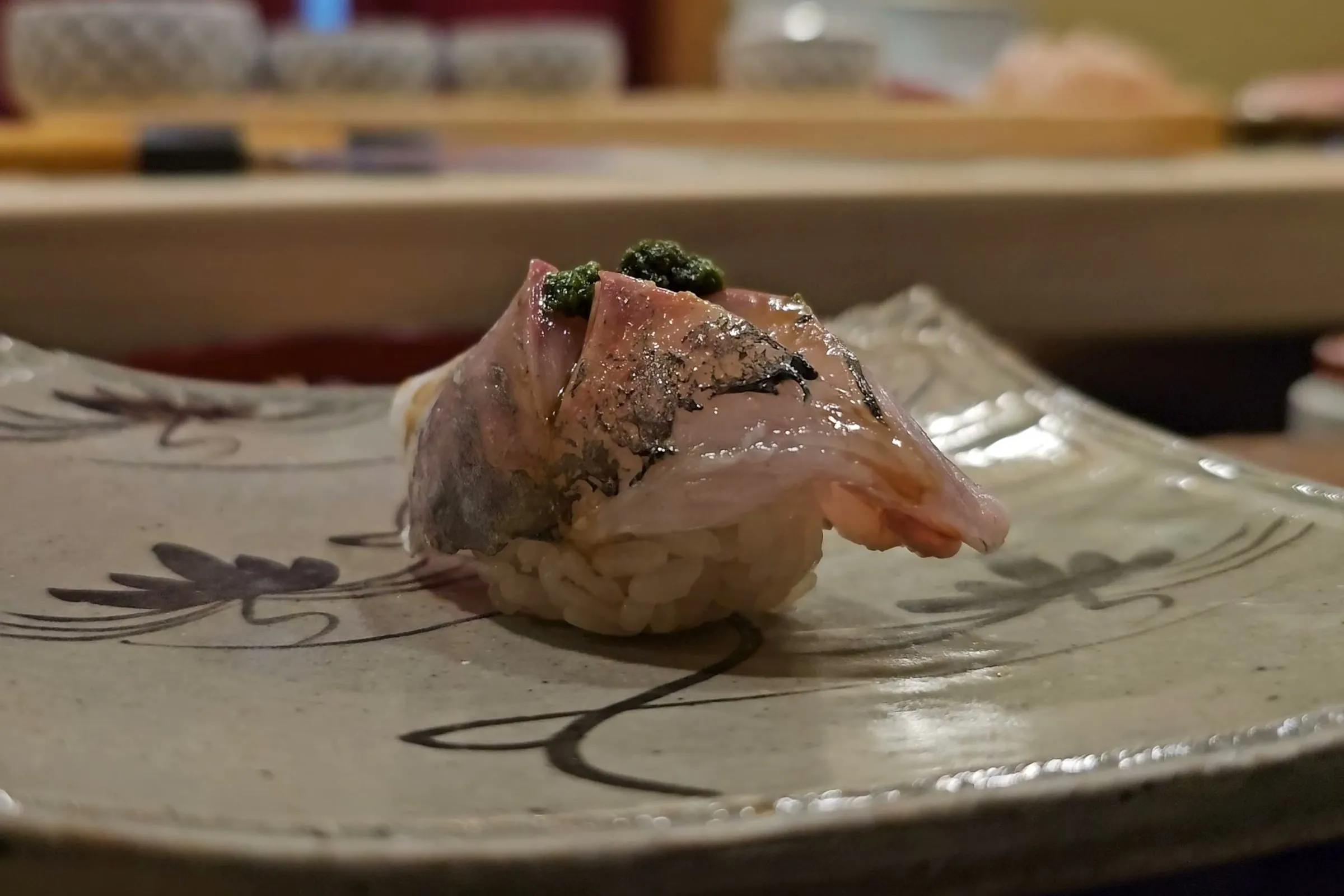
A few counters are famous for herring, and Shimizu is one of them. The chef told me Kouji-san of Sushi Kouji once came, said Shimizu’s herring was the best, and asked how he does it. They prepare it that way since. A chef from another counter came to learn it. That’s the level (2020/10).
In 2024 the herring isobe roll was short on fat, and with the aji also off I wondered if the hikarimono were weak that day. Then the herring nigiri near the end was good (2024/12).
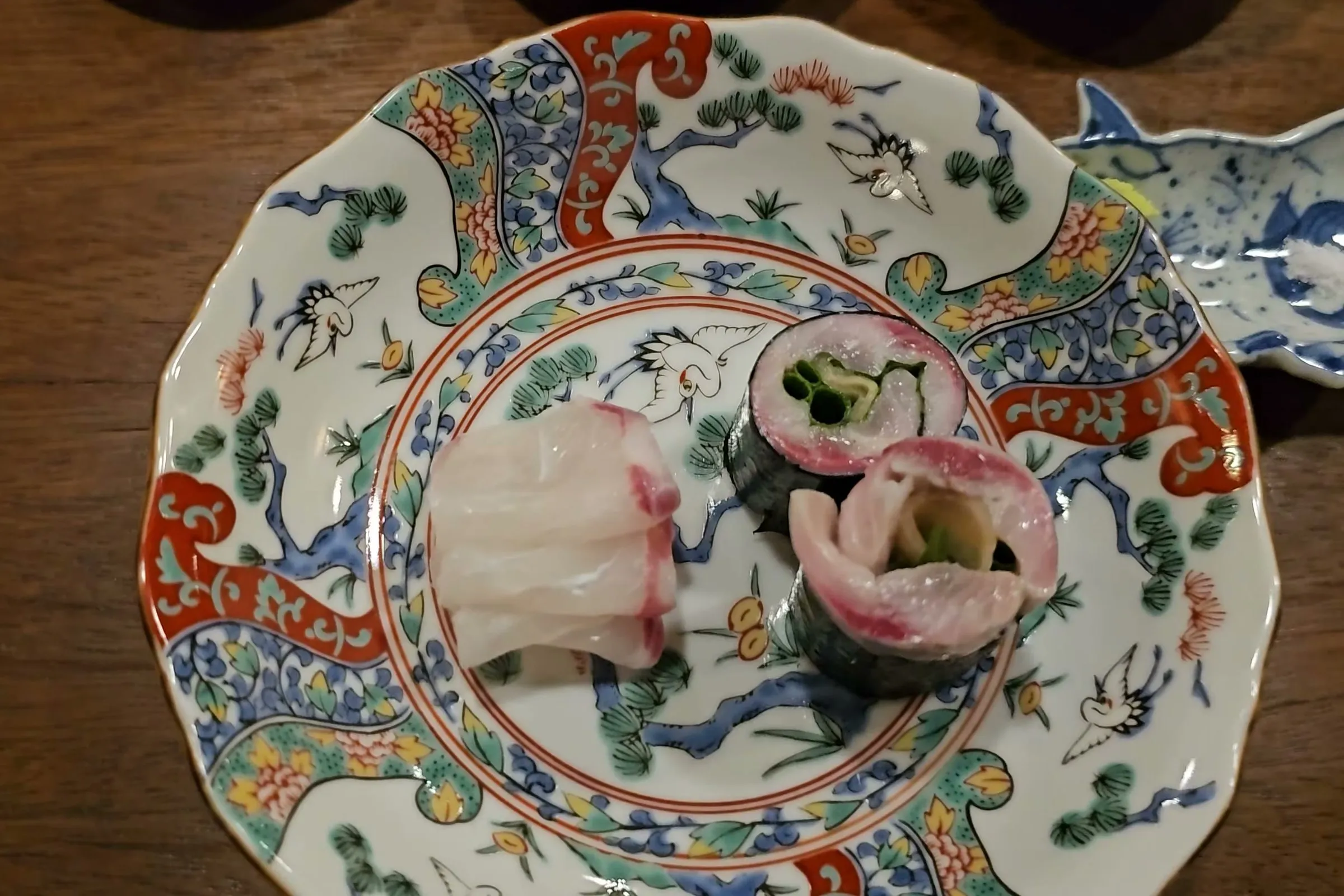
The anago is the real signature
Everyone talks about the herring. I think the anago should be the signature. I don’t mean the shirayaki with pickled cucumber, the grilled one you can get anywhere. I mean the anago nigiri (2024/12).
It’s rich, and much softer than it looks, while the skin keeps its chew. Some people compare it to jokbal, braised pork trotter. I say it’s Shimizu’s signature.
Even on my disappointing first visit the anago was great: chewy at the skin, strong flavor, a strong tsume sauce. I still remember it (2020/10).
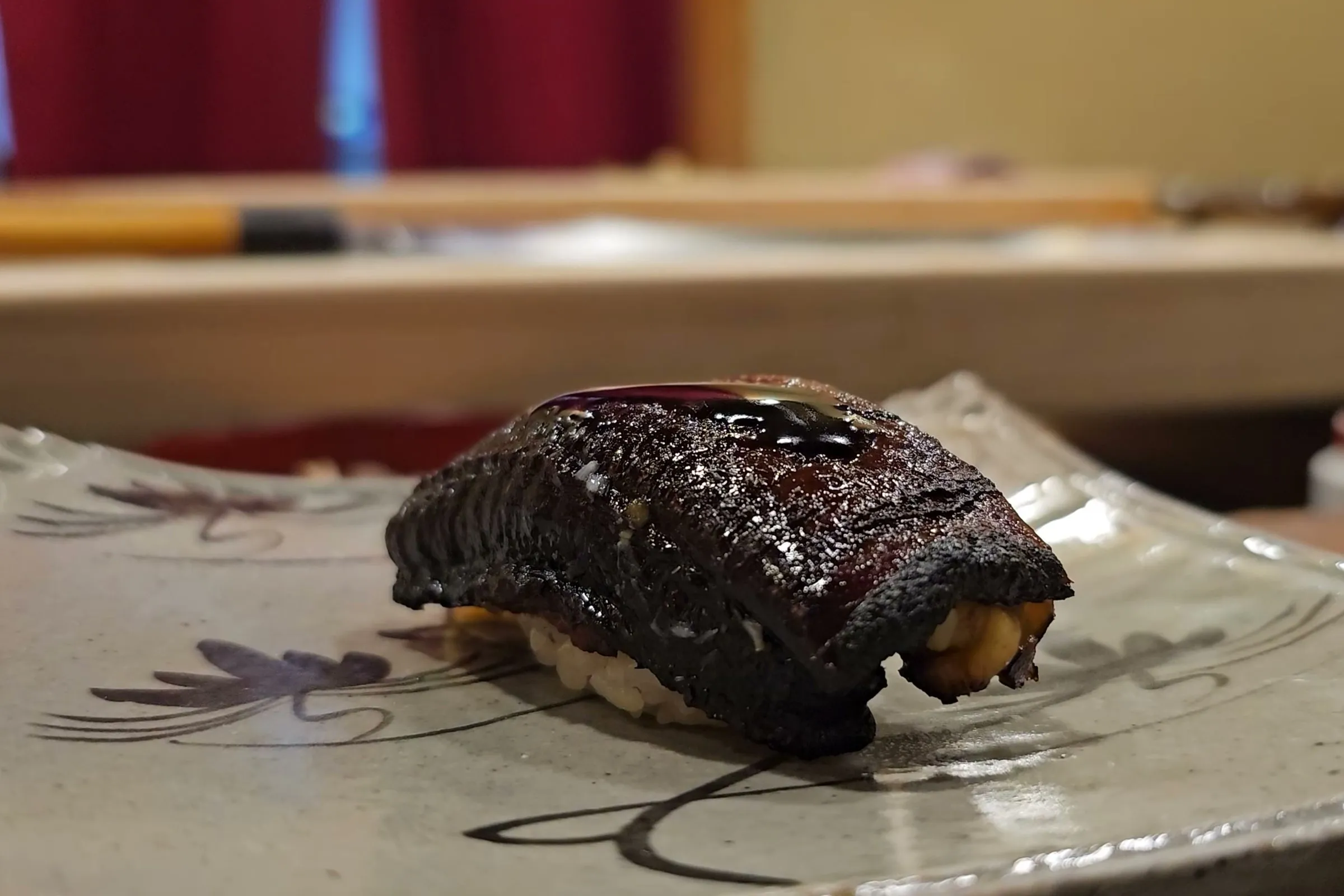
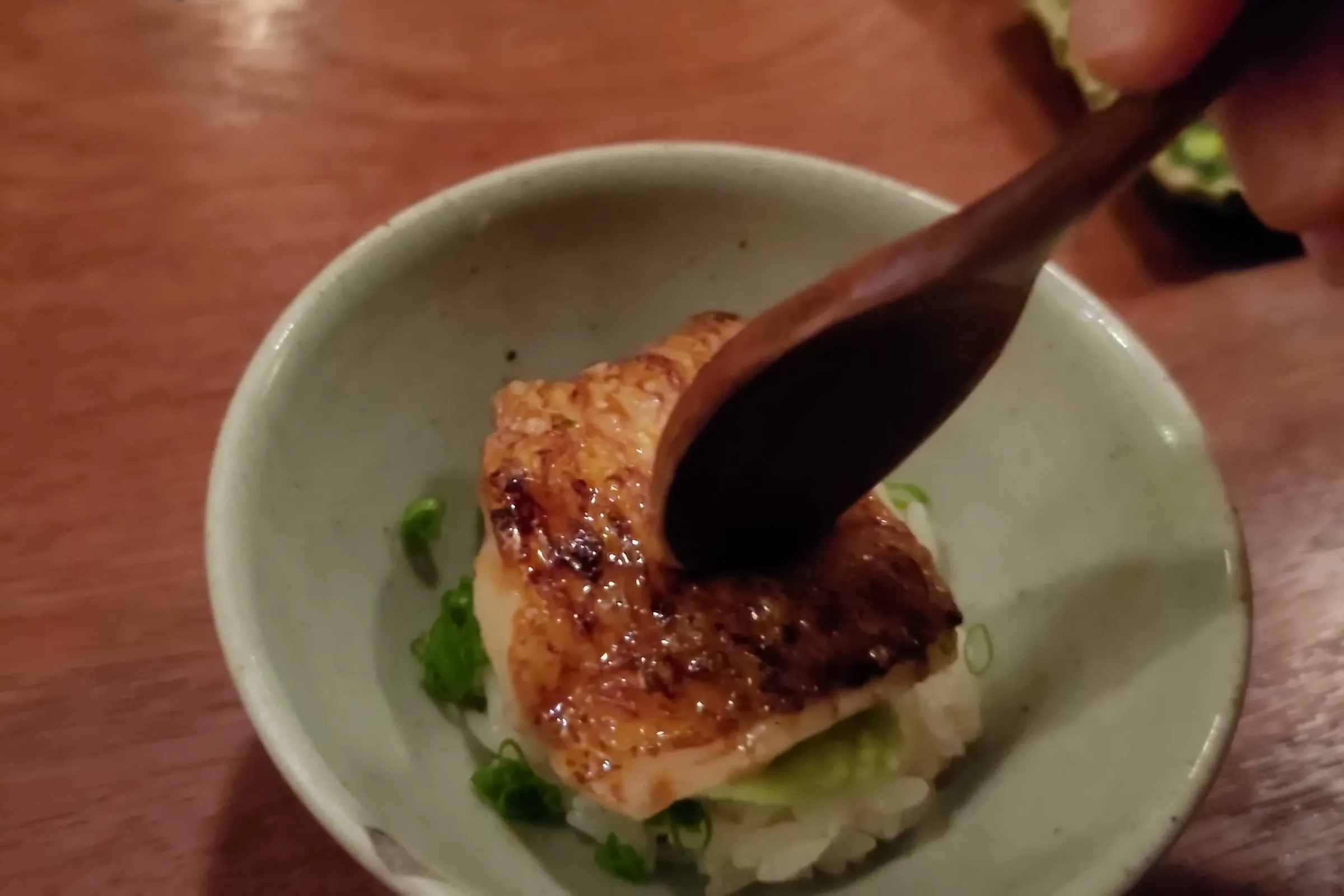
The nodoguro bowl that smells like fried chicken
Every time, the grilled nodoguro on rice gets me before I even eat it. While he sets it up in front of you, it smells like fried chicken. Goobne’s original, exactly (2020/10).
It’s oily and strong, strong enough to smell like chicken. You break it up, mix it into the rice, and put a lot of wasabi on, because the wasabi that night was very good. Nothing tastes better.
A cheap-looking uni box, and ikura like Sushiya’s
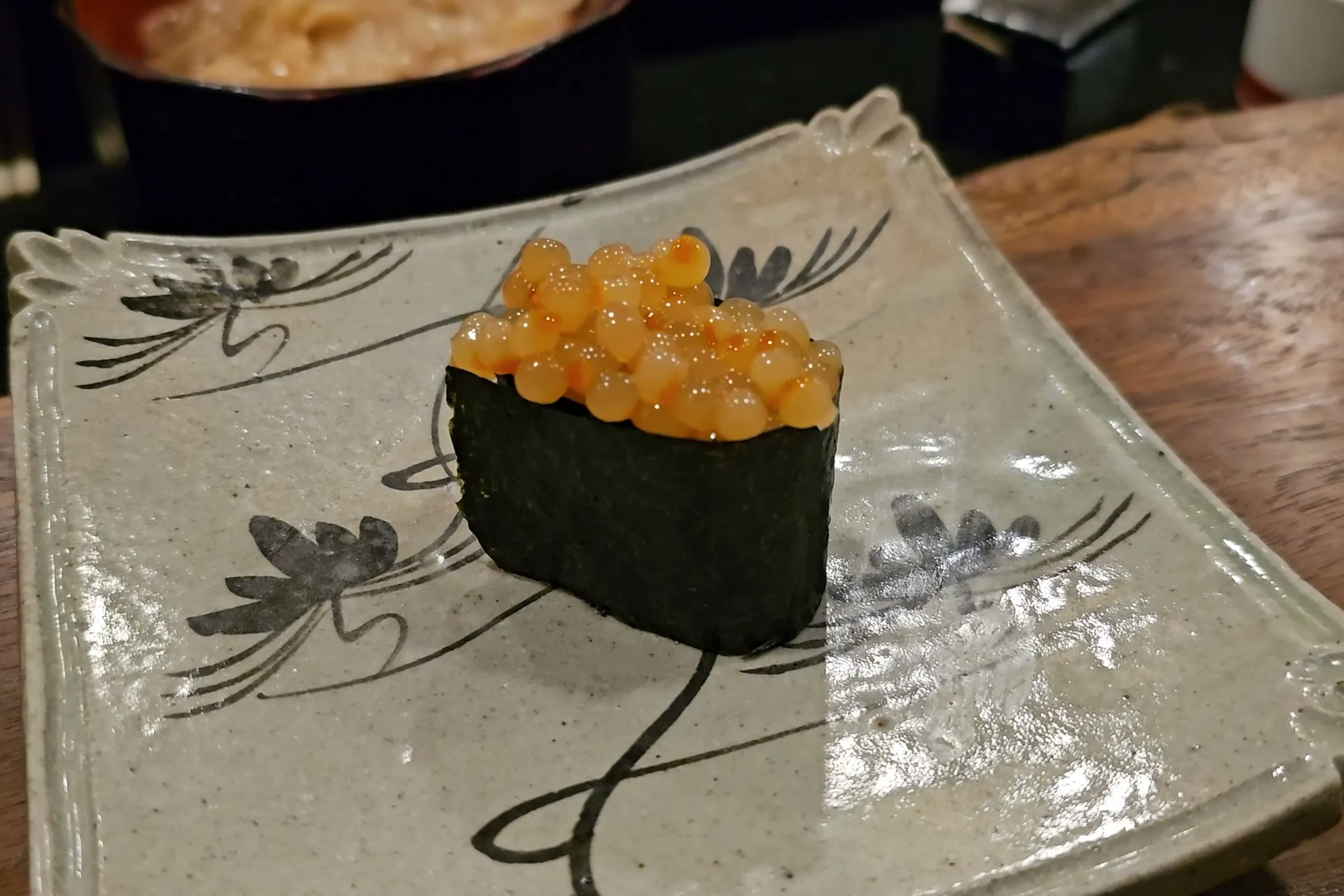
Lee doesn’t serve uni he isn’t sure of. He doesn’t say anything, it just doesn’t appear, whatever the brand on the box. Once he skipped it for that reason (2020/10). So when it shows up, he’s confident. The box didn’t look expensive, yet it beat the famous brands I’ve had at other Seoul counters lately (2024/12).
After the negitoro, which is normally the end, he asked if I’d like some ikura he’d half cured. I love half-cured ikura, so of course. It tasted exactly like the one I had at Sushiya’s Dosan-daero branch, and the two chefs trained in the same place, so I asked. He hadn’t known chef Lee Jeong-hoon did it there. He’d seen it somewhere else and tried it (2024/12).
Where it fell short
The aji was a little disappointing: short on fat, with a slightly fishy smell (2024/12). The herring isobe roll was short on fat too.
The tuna was ordinary. Akami, chutoro, otoro, nothing to say, which is why I didn’t talk about it. However many tuna pieces come out here, the negitoro is the best one, and it still was (2024/12).
On the 2020/10 visit the chopped scallion inside the tai nigiri was too sharp and stiff, something I notice every time here, and the octopus legs were thick that day, so the simmered octopus was a bit tough.
₩220,000 for the dinner omakase
2024/12 video
Dinner omakase, ₩220,000 a person, about US$150 (2024/12). No drinks on my side.
Earlier dinners were ₩185,000, about US$160 (2020/10). Lunch was ₩110,000 when a friend paid, about US$100 (2019/02), and was listed at ₩120,000 in 2026/10.
What Sushi Shimizu has cost me, visit by visit
3 visits where I said the bill on camera. ₩185,000 in 2020/10, ₩220,000 in 2024/12. Up 19%.
Dinner omakase, per person, no drinks (I don’t drink). Each point is the price I said on camera or put in a video title, dated by the month the video went up. Each month is when that video came out.
Would I go back
Yes. With price, location, booking and taste together, it’s the most competitive sushi counter in Seoul I know.
Go for the anago, the warm crab and the classic order. Don’t go for the tuna.
How to book
How I booked
A friend wanted sushi, I went looking for a seat, and it booked right away (2024/12).
- CatchTable
Sushi Shimizu’s CatchTable page is linked from its Polle listing (checked 2026/11). The English version of the app takes an email and a foreign credit card. Lunch was listed at ₩120,000 in 2026/10.
- Phone (four or more)
02-543-0887, on Google Maps and Polle (checked 2026/11). Groups of four or more book by phone (2026/10). Expect Korean on the line, so a hotel concierge helps.
Checked 2026/11. Booking rules change, so look at the official page before you go.
Where it is
- Address
- B1, 11-3 Eonju-ro 152-gil, Gangnam-gu, Seoul서울 강남구 언주로152길 11-3 지하1층
Plan the Seoul trip
The boring bits I’d sort before flying, so the eating days stay free.
- Hotels in Seoul*
Pick the room by where you eat, not by the sights. After a long dinner, a short ride back is the real luxury. This place is in Apgujeong, by Dosan Park, Seoul.
- Korea eSIM*
Data as soon as you land at Incheon. Install it before the flight.
- AREX airport express*
Incheon to Seoul Station in under an hour, with no traffic to think about.
- T-money card*
One card for the subway, the buses and the convenience store. Tap on, tap off.
- Gwangjang Market street food tour*
Bindaetteok, mayak gimbap and yukhoe, with someone who knows which stall.
- Korean cooking class in a Bukchon hanok*
Cook a few home dishes in an old hanok, then sit down and eat them.
Links marked * are affiliate links. If you book through them I may earn a small commission, and you pay the same. How it works
More from this restaurant on the channel
More places I have eaten at
All of Seoul →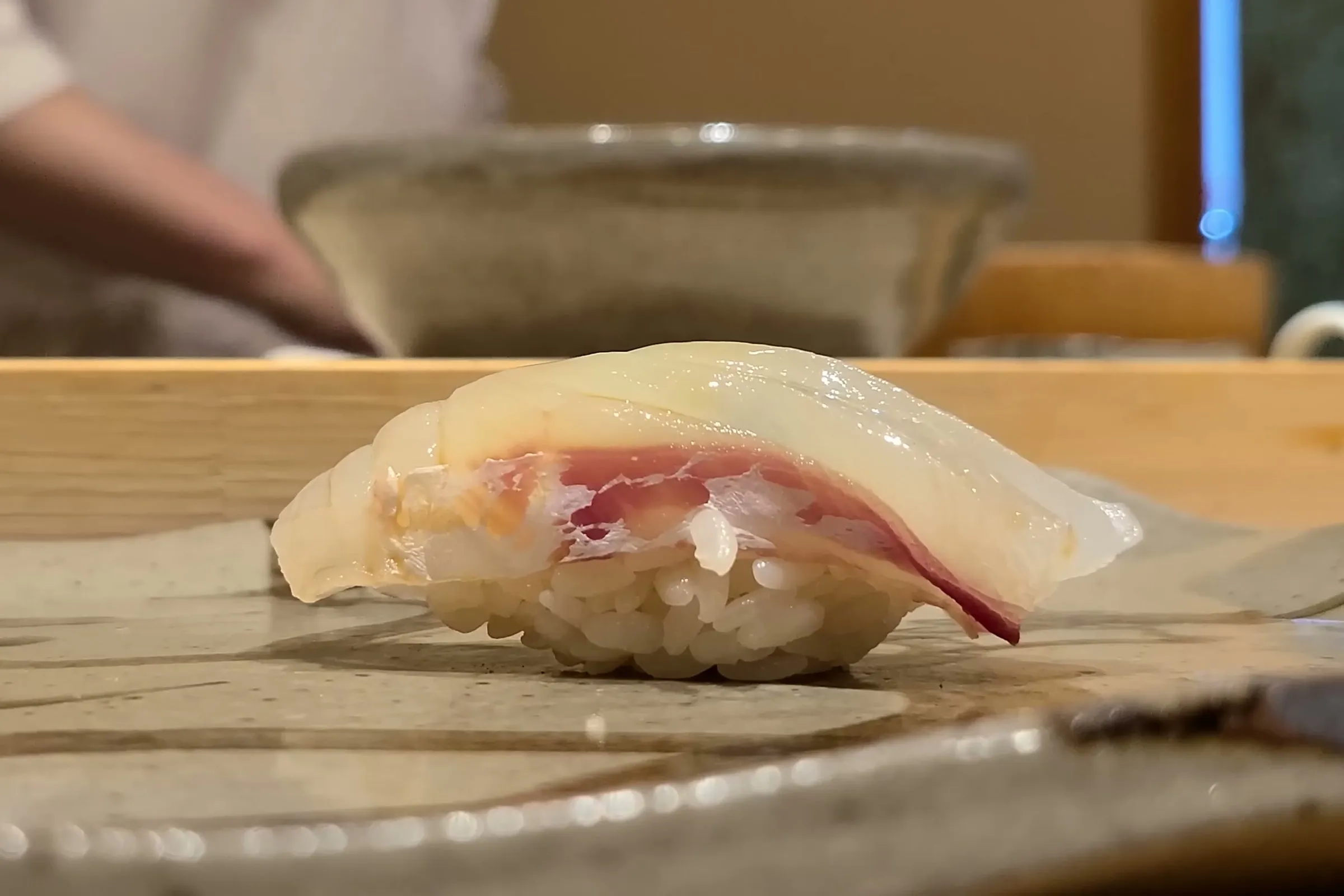 Jeongja-dong, Bundang (Seongnam), south of Seoul
Sushiya
Kohaku-vinegar rice at its peak, aji namero, and a mackerel I kissed.
₩160,000 2020/07 video Apgujeong, Gangnam, Seoul
Miu
Tongue first, tenderloin last, kimchi on everything.
₩87,000 2026/09 video Sinsa-dong, Gangnam, Seoul
Sushi In
Eight seats, the best rice in Seoul, and no way in without a regular.
₩360,000 2026/10 videoSources
- 스시 시미즈 (Sushi Shimizu) Polle
- South Korean Won to U.S. Dollar Spot Exchange Rate (AEXKOUS) FRED, Federal Reserve Bank of St. Louis