Hidden, sure. A gem? I’m not so sure.
Gaienmae Takemoto (外苑前 たけもと) is a basement sushi counter two minutes from Gaienmae Station in Minami-Aoyama, Tokyo. The omakase is ¥44,000 a person (about US$280, 2025/12), tax and service included, paid when you book on TableCheck. Online booking is new for them. It ran on referrals only until recently. Worth it? Once, if you miss old-school Edomae sushi. From the fourth piece on, the rice got as good as the Sushi Arai rice I fell for years ago. But the course is short, a piece of otoro came with a bone in it, and at this price I’m not making it a habit. Hidden, sure. A gem, I’m not so sure.
monster gourmetFrom my 2025/12 video
- My share
- ¥44,000
- about US$280, per person, the omakase, prepaid on TableCheck, drinks extra, 2025/12 video
- Highlight
- The rice, once the vinegar settles
- Skip
- The kuruma ebi
- Video
- 13:10
- 2025/12
- Where
- Gaienmae, Minami-Aoyama, Tokyo
- Gaienmae (Ginza Line), about 2 minutes on foot
¥44,000, and was it worth it
One omakase course, ¥44,000 a person (about US$280, 2025/12), tax and service included. You pay it on TableCheck when you book, and drinks get added at the counter. When I checked TableCheck in 2026/11 it was still ¥44,000.
For that you get short, rustic tsumami, a run of nigiri served the old way, and rice that starts rough and ends great. The late part of the course was really good across the board. My satisfaction was high, minus the tuna bone.
Then the price comes in and the number drops a bit. The three of us eat a lot less than we used to, so the portion felt right, like a course that ends exactly where it should. Plenty of foodies eat a lot, though, and they’ll look at this and think it’s small for the money. They’d have a point.
So, once. When you miss the old-school sushiya, or the old Arai rice, this is where I’d send you.
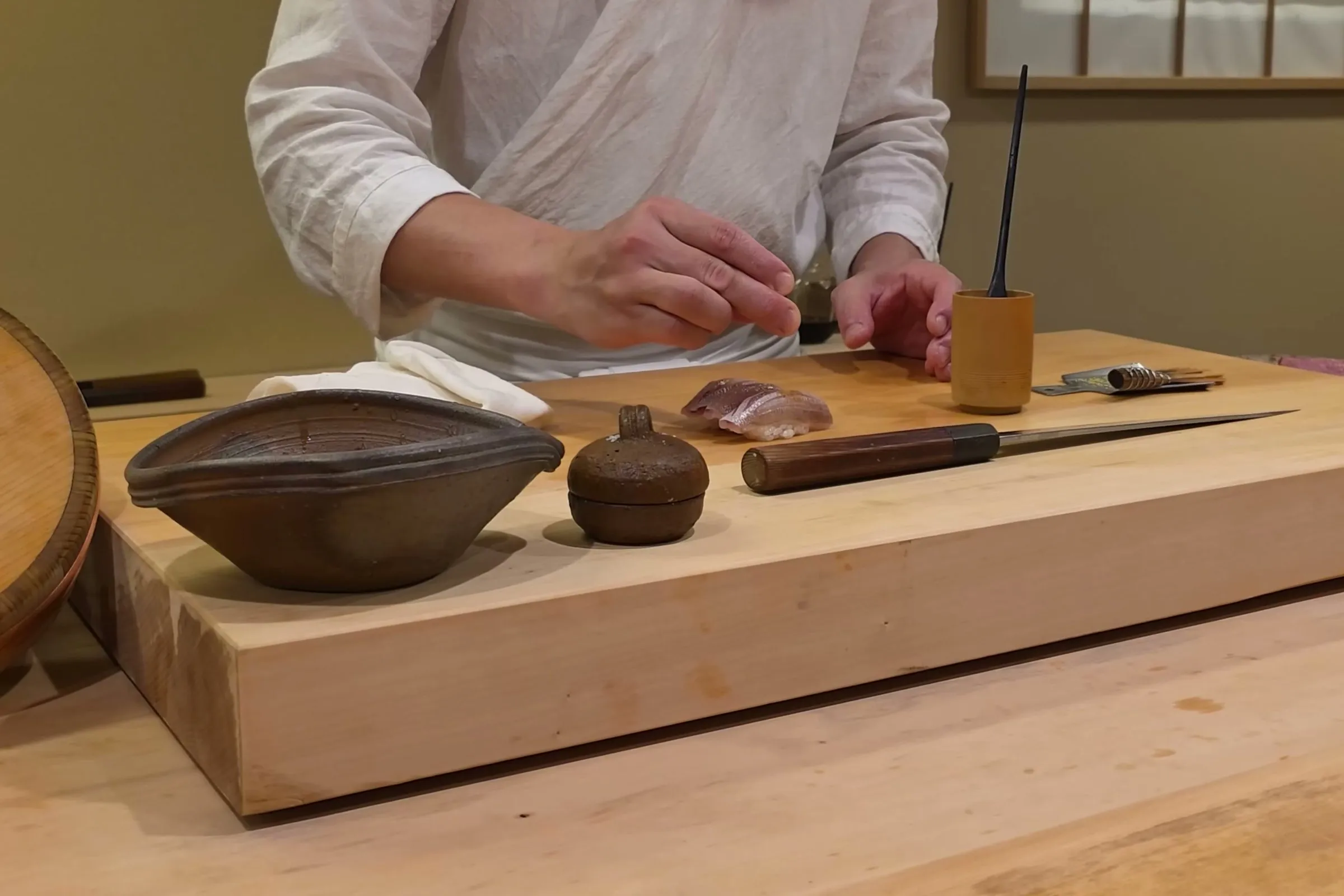
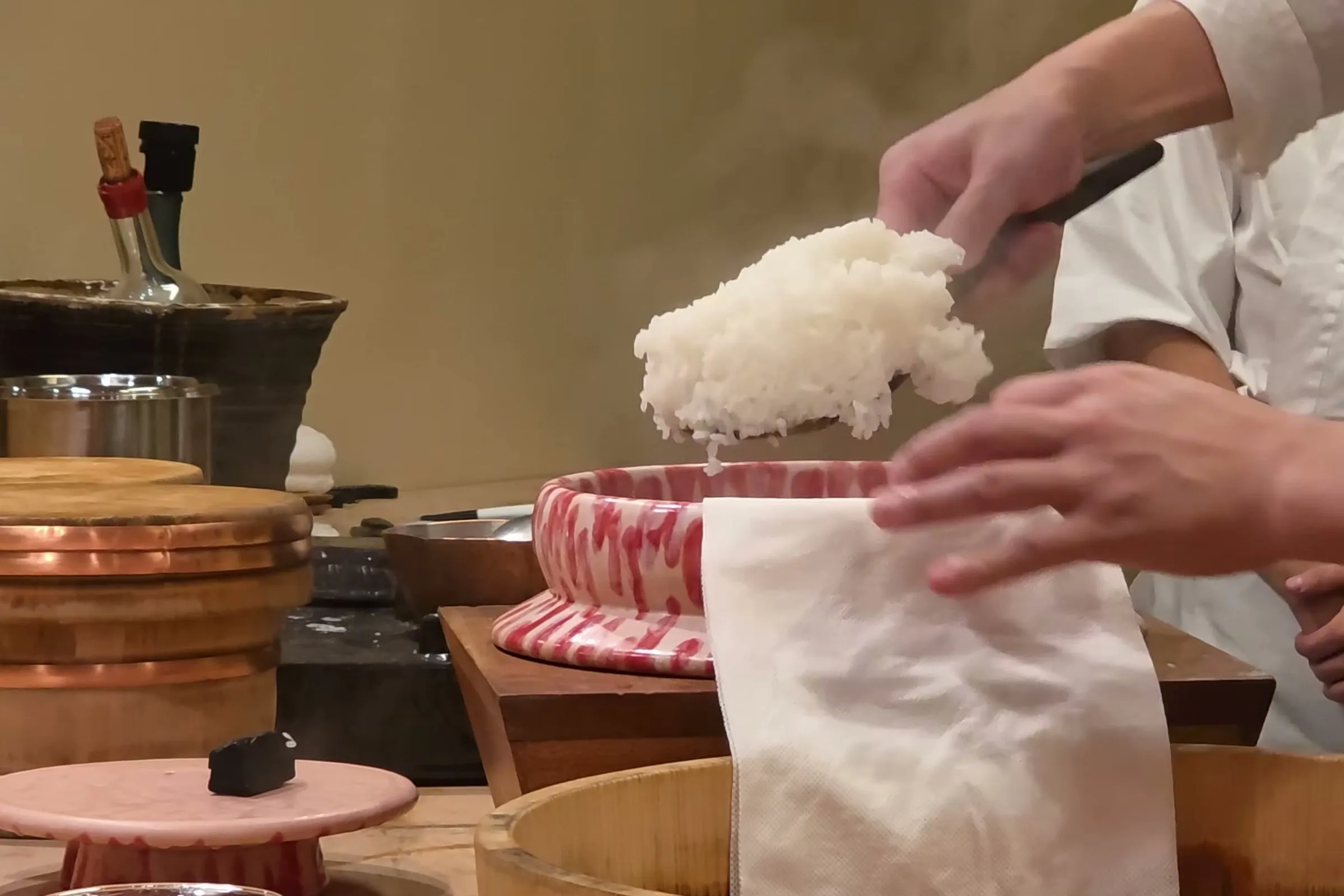
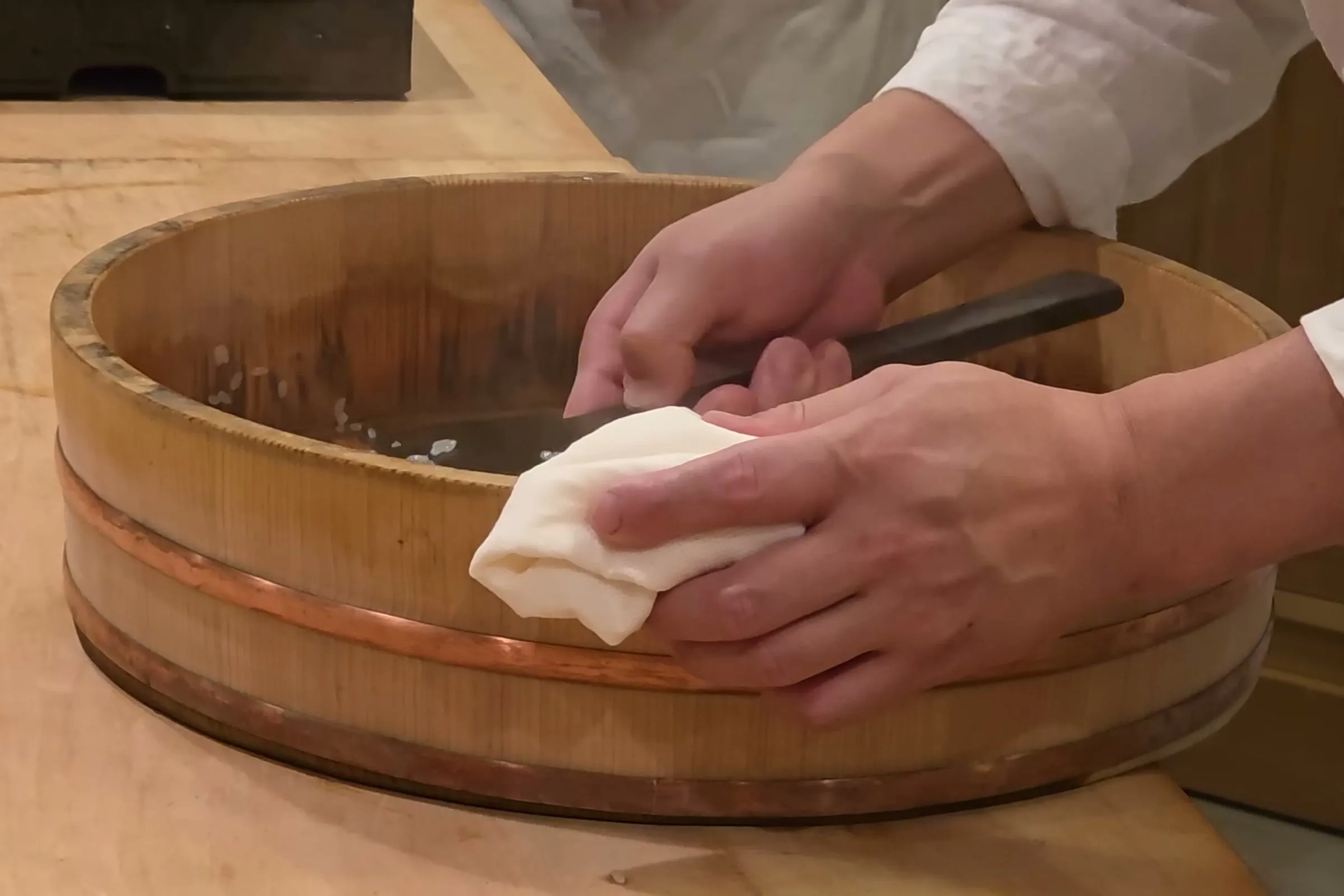
The vinegar is still moving
Right there at the counter they mix the rice with the vinegar. When it’s being mixed, the smell is too sharp to read. In the mouth the aromas separate, and this one felt familiar.
So I asked if they use Yokoi vinegar. Yes. Yohei, then? The color didn’t look like Yohei, but I asked. Not Yohei. Yokoi has a newer line, the top of their range, and that’s what’s in the rice. They used Yohei until the summer and then switched.
Which tells me the rice isn’t finished. They’re still changing things. Keep that in mind for the next part.
Rustic tsumami, and a short run of them
The tsumami aren’t big on cooking. Rustic, classic. It made me think of the old Sushi Arai, though that hit me more after the meal than during it.
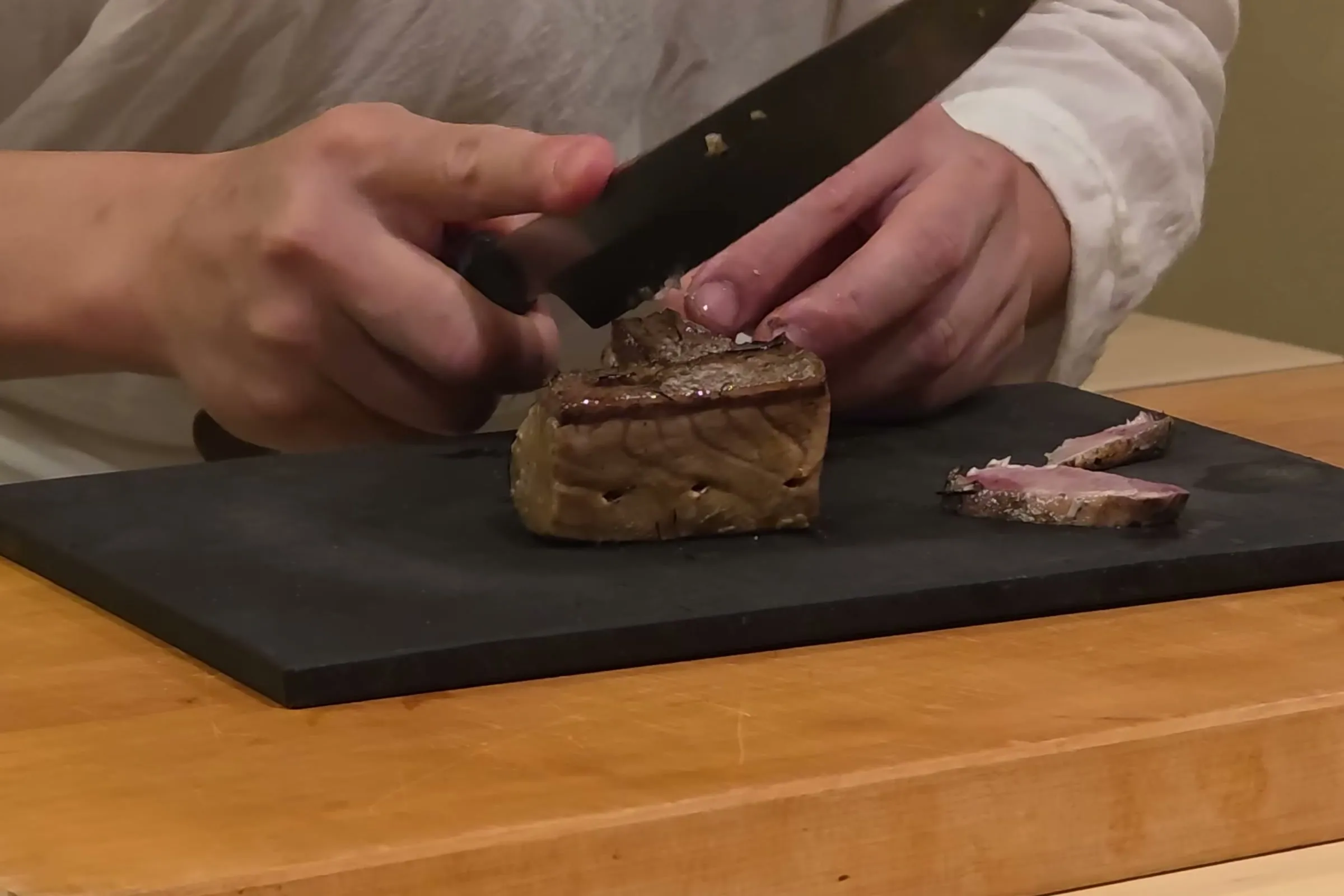
First, buri, yellowtail, done warayaki, seared over burning straw, the outside grilled rough, with grated daikon on top. The daikon’s shape took me straight to Sushi Sugaya. The buri tasted like buri. Fine. The smoke wasn’t too strong, which helped. Twenty, thirty years ago, when I was a kid, I loved buri. Now, eating it as a tsumami, I wonder if it can get much better than this, in Japan or in Korea. I also wouldn’t come back for it.
Then cod shirako. Good ingredients across the board. One wish: a little wasabi with it, so you get the sweetness of the wasabi too.
Then a soup with snow crab meat in it, and that one made me think of Arai again. Takemoto isn’t a tsumami place, and none of them blew me away. The run is short, too. Before I knew it, the nigiri had started.
Nigiri the old way
The interior and the course aren’t the only classic things here. He doesn’t hand you each piece the moment it’s made. He makes two or three, lines them up, then gives them to the three of us at once.
Stand them up, brush on the soy, a bit of zest. Easier that way, I’d guess.
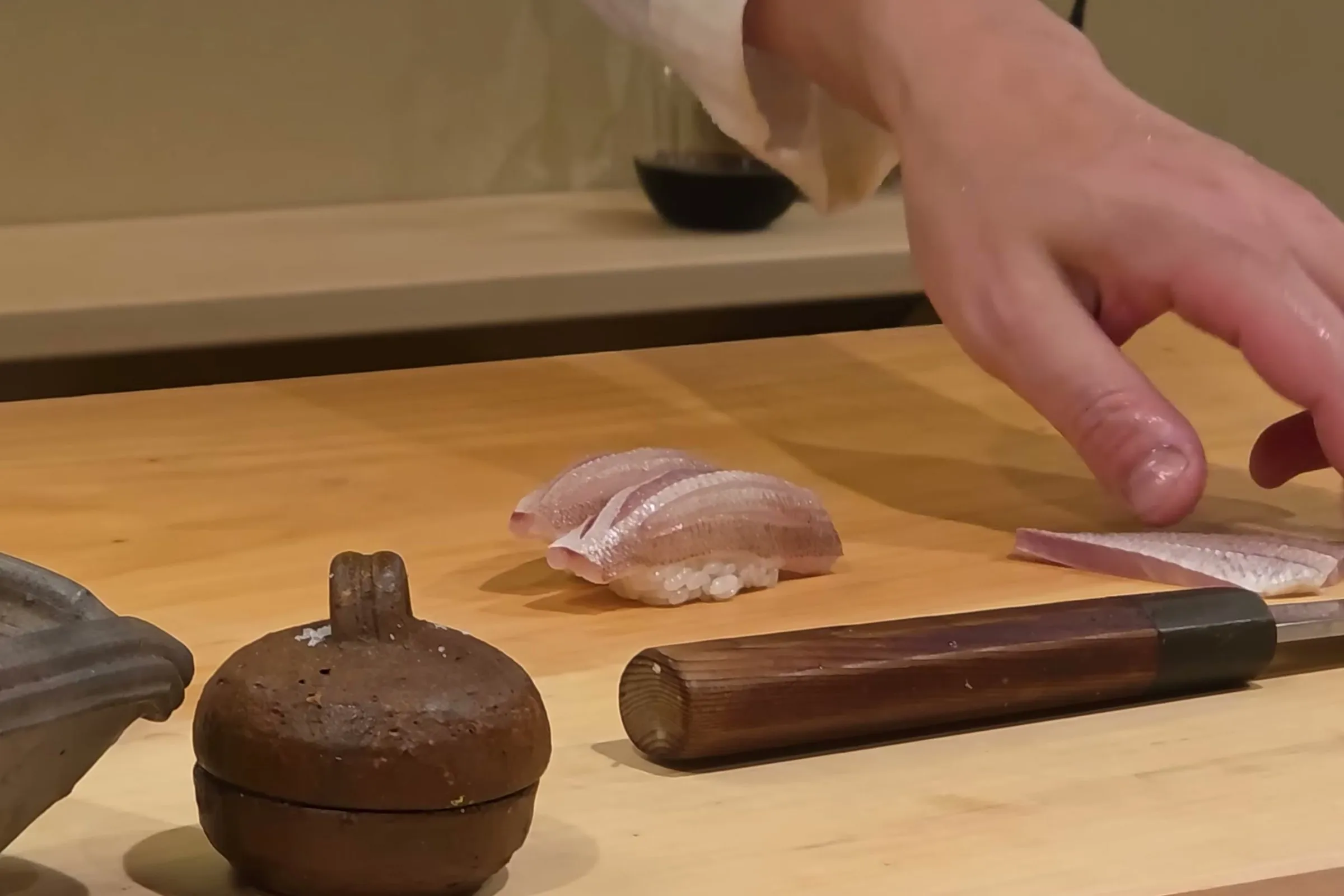
Sticky at first, then old Arai
Good news first. The kasugo, baby sea bream, was really good, and I almost never say that about kasugo. The rice grains had a good texture, it came apart well, and the salt was right.
The bad news is the first few pieces. The vinegar hadn’t settled yet. The vinegar smell jumps out, the rice runs warm (I complain about that a lot), and because the vinegar hasn’t calmed down it feels sticky. Early on it’s almost like rice cake.
My friend, after the first piece: isn’t this too soft? Isn’t it packed so tight it’s gluey? I’ve eaten a lot more sushi than him, and I said no. It’s not too soft and it’s not overpacked. The vinegar just hasn’t settled, so it feels wet and sticky at the start. The grains are good. Give it a few pieces.
Four or five pieces in, the rice was in great shape. That’s why I keep comparing this place to Sushi Arai. The best rice I ever had was Arai’s, years ago. By the end, Takemoto-san’s rice was that good. That’s the reason to come.
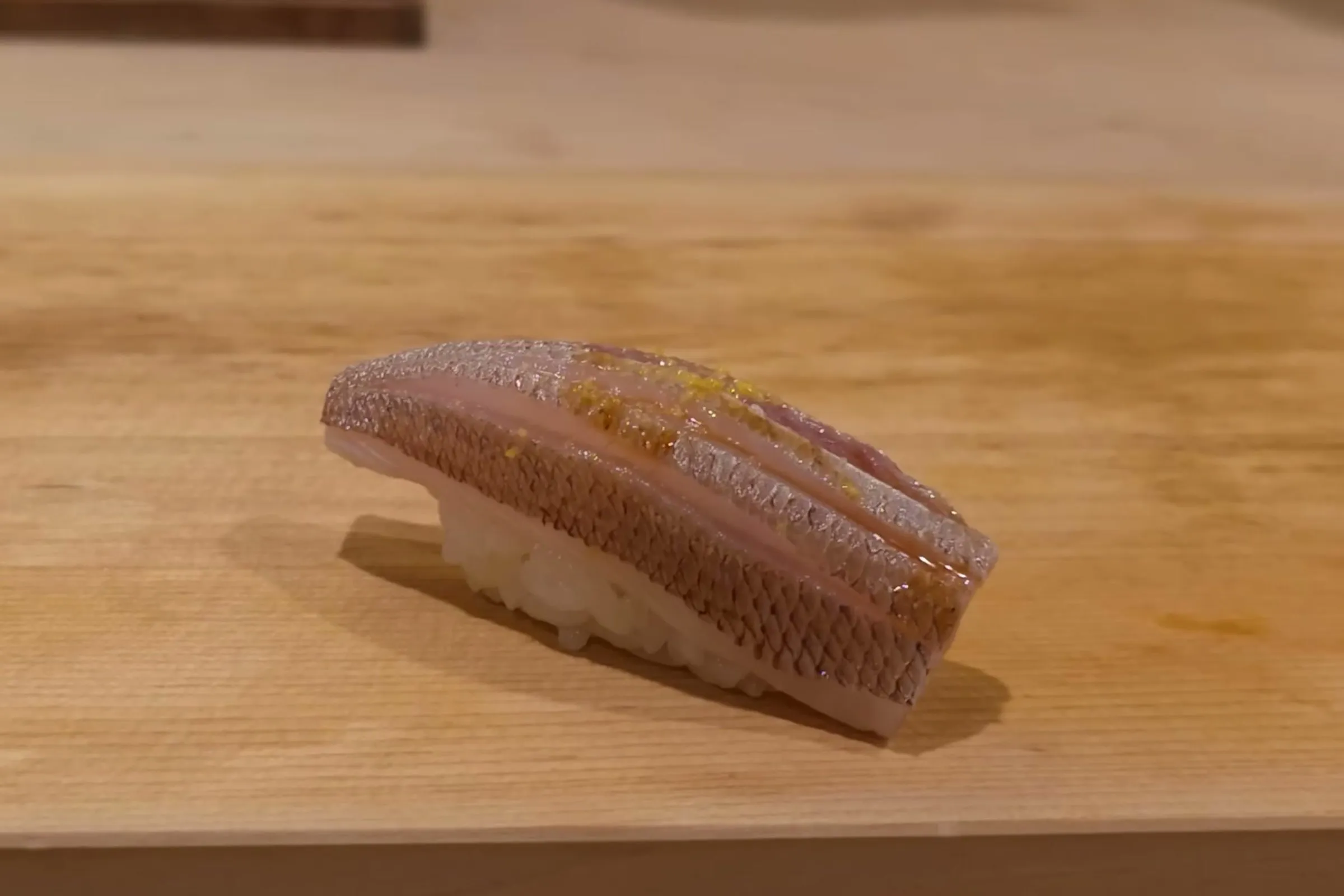
Two pieces of otoro, and a bone
Takemoto is known for decent tuna. It isn’t one of those places that gives you four or more tuna pieces, though. That night it was otoro, the fattiest belly, and only two pieces.
The first came with salt on top. Not bad. By my standards, not bad is high praise.
The second was almost the same cut, with soy spooned over it. And there was a bone in it. A bone in tuna at a sushi counter basically never happens. It’s that basic. Shame, because the first piece had left a great impression.
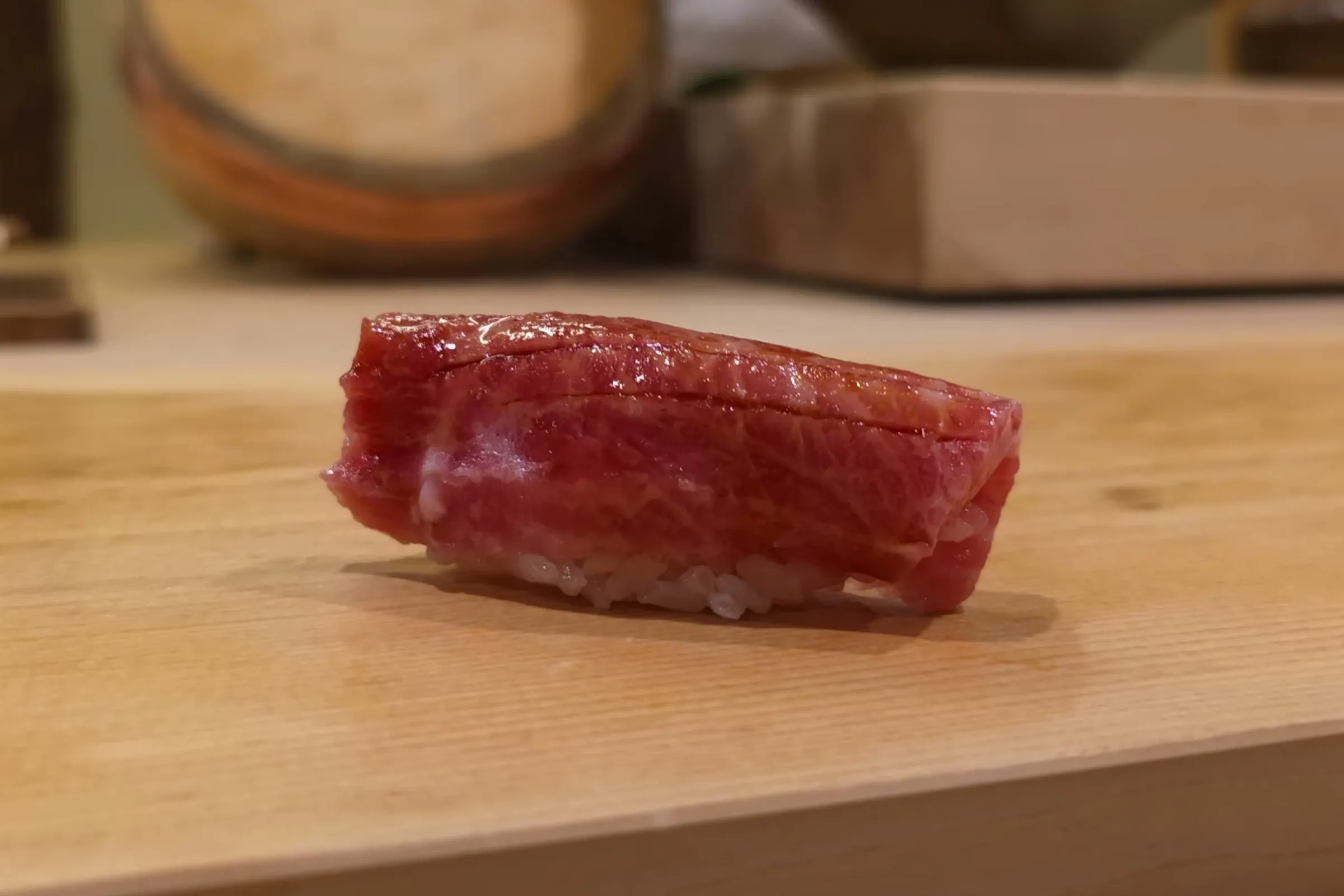
Shellfish, saba, and a flat prawn
They had a lot of shellfish ready that day, and lucky me, I’m not a big shellfish guy. Their quality was good anyway. By then the rice was great, and honestly everything in the back half tasted good. Bone aside, I was happy.
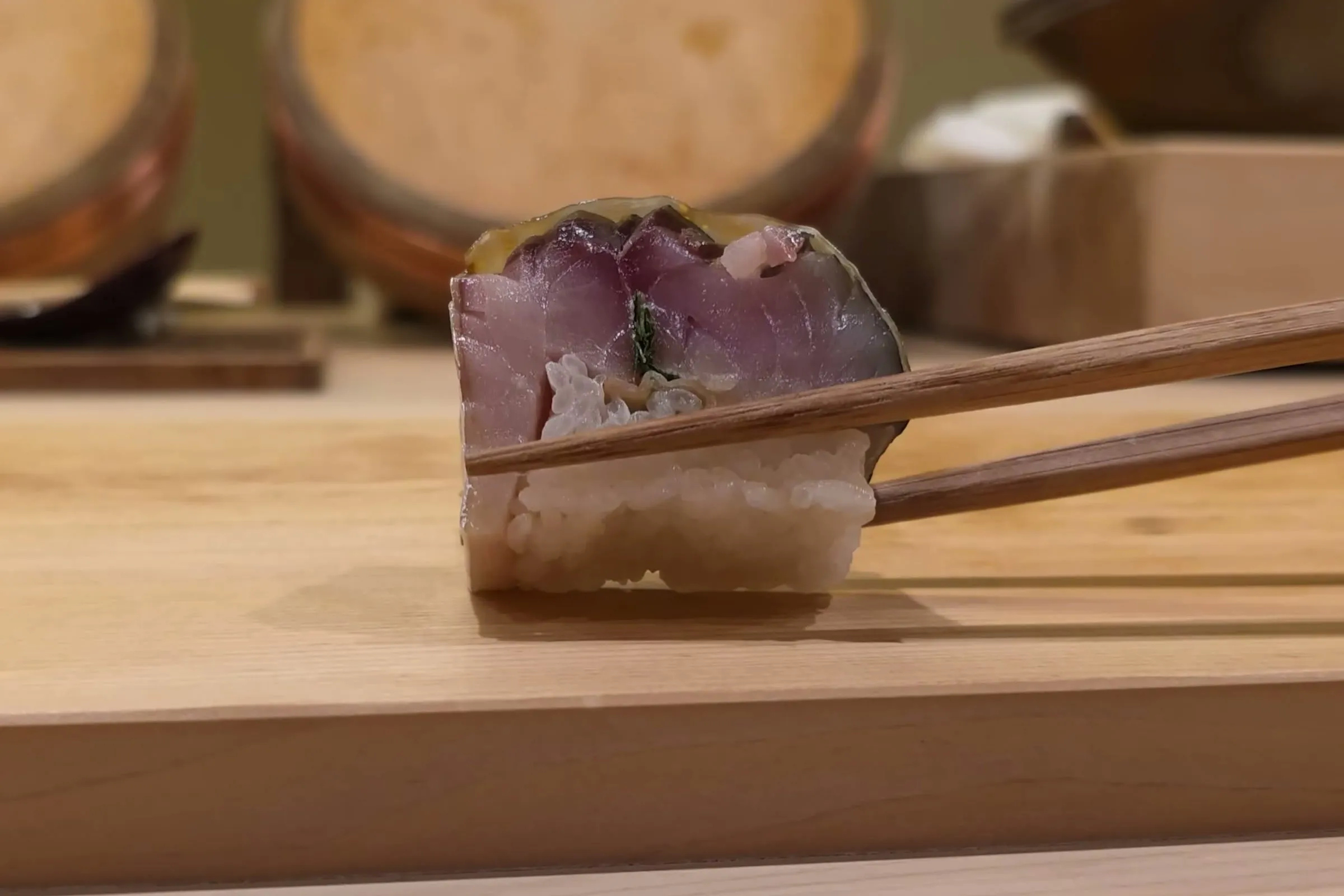
The saba bozushi, mackerel pressed onto a bar of rice, had fallen apart a bit and the proportions looked off. It tasted pretty good, though.
The kuruma ebi let me down a little. Not because it was small. Size aside, kuruma ebi cooked well can have a crazy aroma, the old Arai’s did. This one didn’t have that, and the sweetness and nutty richness that fill your mouth weren’t strong either.
The uni was what you’d expect at this price. Fair enough.
A frank chef and a drinks list nobody expects
Takemoto-san turned out to be fun. I didn’t see it coming. I asked where he likes to eat sushi in Tokyo, and he answered very honestly: things aren’t what they used to be, so he doesn’t really go anywhere these days. Then he asked me where I like. He talks with zero filter, maybe because the place was referral-only for so long. From our side of the counter, that’s the fun part.
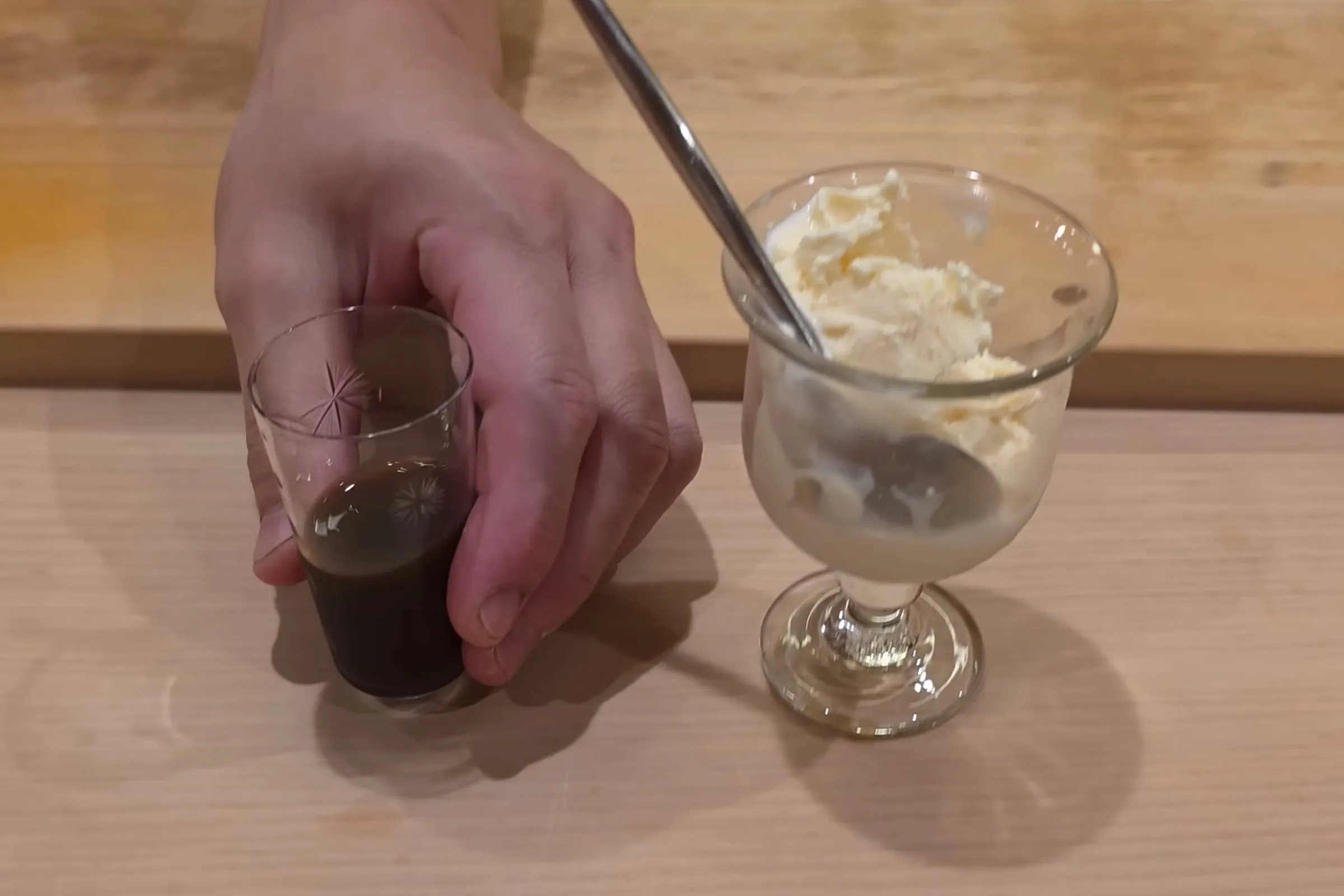
What’s being poured isn’t whisky. The okami-san, Takemoto-san’s wife, made it herself. It tastes exactly like coffee, like a melted coffee ice pop. I barely drink, so it didn’t do much for me.
She’s a drinks expert, with a certification, and the drinks here go way past homemade. My guess is this has the biggest drinks list of any sushiya. All kinds of whisky and wine, and rare bottles you’d never expect at a sushi counter, my friends said. If you love a drink, that’s a real plus. Prices, I can’t tell you. My friend had a few glasses and said not expensive, not cheap.
Finding it, and getting a seat
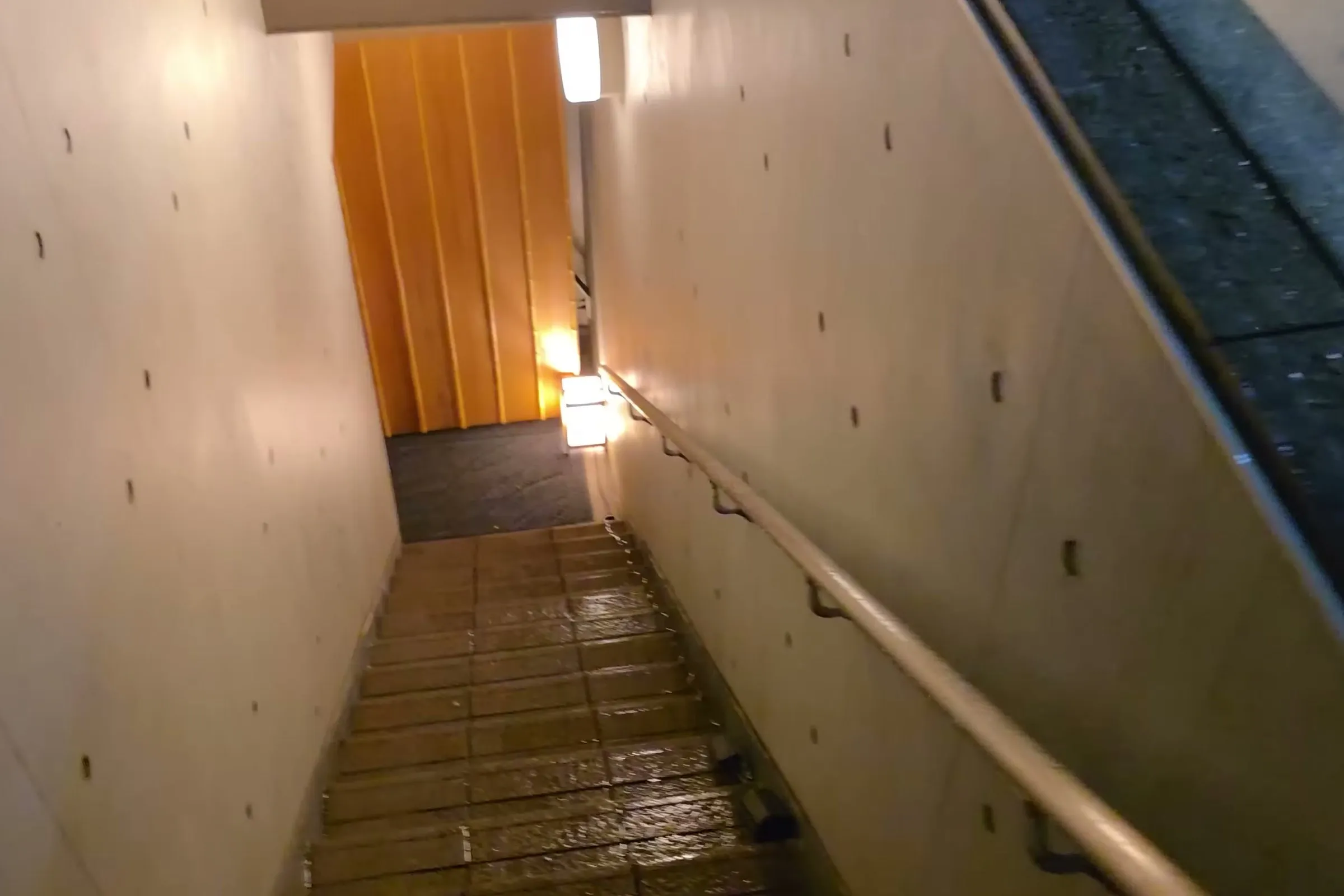
The address is B1F, Centennial Aoyama Building, 2-22-17 Minami-Aoyama, Minato-ku, about two minutes on foot from Gaienmae Station on the Ginza Line. The entrance is small and easy to walk past.
I booked on TableCheck. When I checked it in 2026/11 there was one course, omakase, ¥44,000 (about US$280, 2026/11) with tax and service included, paid through TableCheck. At the counter you only pay for drinks.
Tabelog in 2026/11: two seatings, 17:30 and 20:30, Monday to Saturday and holidays, closed Sunday. Reservations only, and the full price is charged if you cancel from two business days before. The phone line is closed, so book online. High schoolers and up. Cards accepted, no e-money or QR codes. Tabelog says it opened here in 2024/02.
Booking difficulty, for now, is the other reason to go. When you miss the old sushiya, you can actually get in.
¥44,000 each, drinks on top
2025/12 video
Three of us, ¥44,000 a person (about US$280, 2025/12) for the omakase.
No receipt to show. Some TableCheck places cancel the booking payment and charge you again at the counter. Takemoto keeps the prepayment and only charges you for drinks on the night.
Would I go back
Once, when I miss the old sushiya. If you can’t get into the counters I used to rave about, or you never ate the old Arai rice and want something close to it, book Takemoto and relax.
As a regular spot at ¥44,000 for a short course, no. Hidden, yes. A gem, I’m still not sure.
How to book
How I booked
I booked on TableCheck, right after Takemoto opened bookings there. It had been referral-only, and I may have been one of the first guests that way. The ¥44,000 was paid on TableCheck, and at the counter I only paid for drinks.
- TableCheck
Takemoto’s own TableCheck page when I checked in 2026/11. One course, omakase, ¥44,000 with tax and service included, paid through TableCheck Pay when you book.
- Tabelog (details)
Tabelog in 2026/11: reservations only, the phone line is closed and it asks you to book online. Seatings at 17:30 and 20:30, Monday to Saturday and holidays, closed Sunday. Full cancellation fee from two business days before. High school age and up. Cards accepted, no e-money or QR codes.
Checked 2026/11. Booking rules change, so look at the official page before you go.
Where it is
- Address
- Centennial Aoyama Building B1F, 2-22-17 Minami-Aoyama, Minato-ku, Tokyo東京都港区南青山2-22-17 センテニアル青山ビル B1F
- Nearest station
- Gaienmae (Ginza Line), about 2 minutes on foot
Plan the Tokyo trip
The boring bits I’d sort before flying, so the eating days stay free.
- Hotels in Tokyo*
Pick the room by where you eat, not by the sights. After a long dinner, a short ride back is the real luxury. This place is in Gaienmae, Minami-Aoyama, Tokyo.
- Japan eSIM*
Data from the moment you land, no counter and no SIM swap. Set it up the night before.
- Keisei Skyliner from Narita*
Narita to Ueno in about 40 minutes. Buy it ahead and walk straight to the platform.
- Haneda airport limousine bus*
Landing at Haneda instead? The limousine bus drops you at the big hotels and stations with no transfers.
- Tsukiji Outer Market food tour*
A market morning with someone who knows which stalls are worth the line.
- Sushi-making class at Tsukiji*
Shape nigiri yourself once and the counter makes a lot more sense.
Links marked * are affiliate links. If you book through them I may earn a small commission, and you pay the same. How it works
More places I have eaten at
All of Tokyo →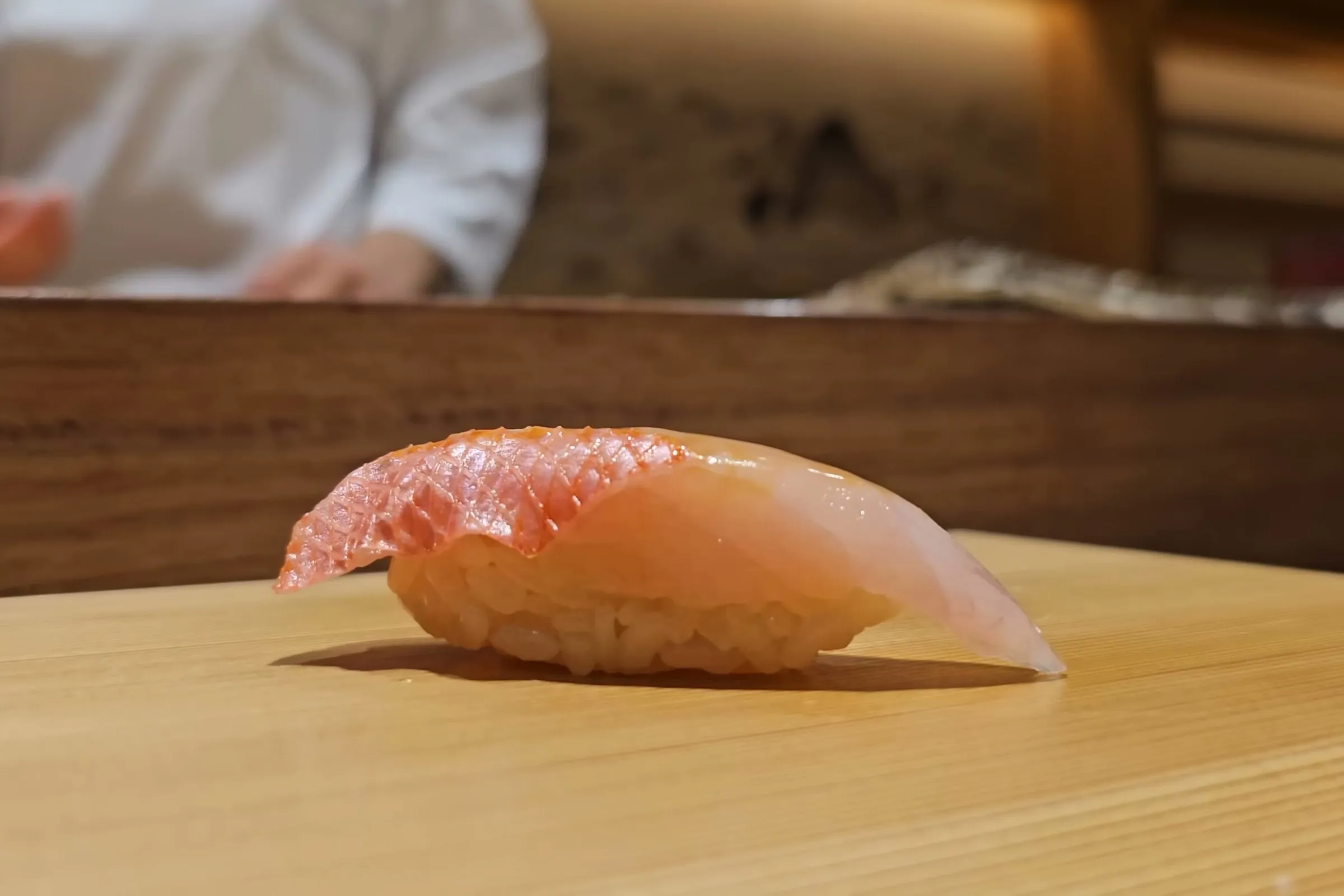 Kagurazaka, Tokyo
Hatou
The Ishikawa group’s sushi counter, a young chef, and a soup I’d fly back for.
≈ ¥42,350 2023/09 video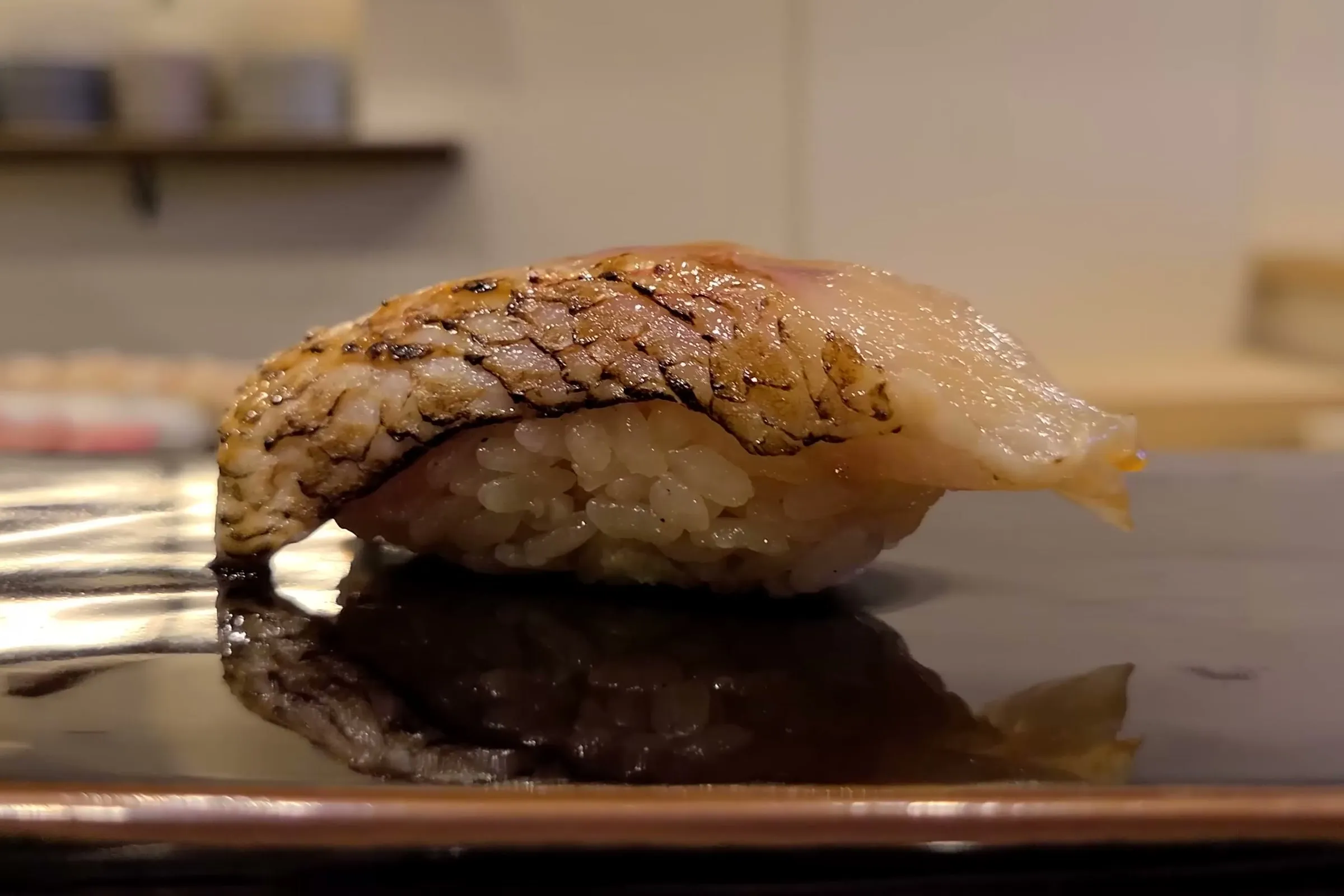 Meguro, Tokyo
Sushi Ranmaru
The cheap omakase I sent everyone to. Its chef now runs Shimazu.
≈ ¥8,300 2020/04 video Tsukiji Outer Market, Tokyo
Kitsuneya
Tsukiji’s TV-famous offal bowl, softer and milder than it looks.
¥1,650 2019/07 video