Guide
Omakase in Seoul, the sushi counters I go back to and how a visitor gets a seat
I live in Seoul, and I’ve been eating at Sushi In since its opening day in 2016. The best omakase in Seoul now costs ₩360,000, about US$270 (2026/10), well under the top of Tokyo. These are the counters I’ve paid for and filmed, what each one cost me, and the route a visitor can take to a seat at each, checked in 2026/10.
monster gourmetFrom 17 of my videos, 2019/02 to 2026/10
The short version
- The top of Seoul omakase is Sushi In at ₩360,000 for dinner, about US$270 (2026/10). Sugita in Tokyo came to about US$460 (2026/10).
- Sushi In is my number one in Korea, and it’s regulars only. New guests come in with someone who already goes.
- For a visitor, CatchTable is the way in. The app is in English, needs no Korean phone number and takes a foreign card (2026/10).
- Sushi Shimizu near Dosan Park was ₩220,000 for dinner, about US$150 (2024/12). On price, location, booking and taste together, I couldn’t name anything in Seoul to beat it.
- Sushiya in Bundang gave me the best rice I’ve eaten in Korea. It has a Seoul branch on Dosan-daero now, and both book on CatchTable (2026/10).
- Tenjimon in Cheongdam isn’t sushi. It’s a Japanese course where the pot rice is the main event, and you book it on CatchTable.
- Sushi Umi by Sinyongsan Station was ₩60,000 for dinner, about US$50 (2020/01), one of the cheapest omakase in Seoul.
- In Busan, Sushi Yeon in Haeundae was ₩100,000 for dinner, about US$80 (2020/02), with rice I’d put up against Seoul’s.
What omakase in Seoul costs, next to Tokyo
Short answer first. The best sushi counter in Seoul, Sushi In, charges ₩360,000 for dinner from 2026/10, about US$270. My last bill there was ₩330,000, about US$250, just before the rise (2026/10). The same month, Sugita in Tokyo, my number one anywhere, came to about ¥73,000 with my extras, about US$460, and Shimazu to about ¥55,000, about US$350 (2026/10).
So at the top, Seoul is cheaper than Tokyo, but it isn’t cheap. By 2024/12 most good Seoul counters started dinner at ₩250,000, about US$170, and Sushi Shimizu was still ₩220,000, about US$150. The Gangnam counters below list dinner at ₩220,000 to ₩270,000, about US$160 to US$200, and lunch at ₩100,000 to ₩150,000, about US$70 to US$110 (2026/10).
The gap is wider at the bottom. In Tokyo, ¥8,800 got me a nigiri lunch at Ginza Kyubey, about US$60 (2023/10). The cheapest Seoul course I’ve filmed was dinner at Sushi Umi for ₩60,000, about US$50 (2020/01). That dinner is listed at ₩110,000 now, about US$80 (2026/10).
All prices are per person, with the month I said it on camera or read it on a listing. Drinks are out. I’ve never ordered so much as a beer at a sushi counter.
| Level | Seoul | Tokyo |
|---|---|---|
| My number one | Sushi In, ₩360,000, about US$270 (2026/10) | Sugita, about ¥73,000 with my extras, about US$460 (2026/10) |
| The next tier | Sushi Shimizu, ₩220,000, about US$150 (2024/12). Gangnam dinners now listed at ₩220,000 to ₩270,000 (2026/10) | Shimazu, about ¥55,000, about US$350 (2026/10) |
| Lunch | Gangnam lunches listed at ₩100,000 to ₩150,000, about US$70 to US$110 (2026/10) | Shimazu’s weekend lunch, about ¥33,000 (2025/11) |
| Cheapest I’ve filmed | Sushi Umi, ₩60,000, about US$50 (2020/01) | Kyubey’s nigiri lunch, ¥8,800, about US$60 (2023/10) |
Read nextWhat omakase costs in Tokyo now, from ten years of my own bills→
How a visitor gets a seat
CatchTable first. It’s a Korean booking app, several counters in this guide are on it, and the English version needs no Korean phone number and takes your email and a foreign credit card (App Store listing, 2026/10). Both Sushiya branches, Sushi Shimizu and Sushi Sumire have CatchTable pages (2026/10).
The phone second. Sushi Umi lists a number and says booking is required (2026/10). They’ll answer in Korean, so ask your hotel to call, with the date, the time and how many of you ready. Tenjimon moved its bookings to CatchTable and keeps the phone for solo diners, groups of five or more and changes (2026/11). Koreans also book a lot on Naver, but for these counters, CatchTable or the phone is the route I could confirm.
Then there’s regulars only. Sushi In stopped letting first-timers phone in back in 2020, and the way in became someone who already goes. Regulars book the next visit on the way out. Diningcode reviews up to 2026/09 still say new guests can’t book (checked 2026/10). If you don’t know a regular, plan Seoul without it.
Seoul counters take deposits, and they mean it. Sushi In was early, with a ₩50,000 deposit on bookings for one to three people from 2018/10, because of no-shows. CatchTable’s own write-ups of sushi counters mention deposits, and late arrivals getting cancelled (2026/10). Show up, and show up on time. The flip side is same-day cancellations. They hurt the restaurant, but for the diner who gets that seat nothing’s better, so look again on the day (2020/01).
Read nextHow to book omakase in Tokyo when every famous counter says full→
The counters at a glance
Eight counters, Sushi In first and the rest in the order I tell friends about them. Seven are in or near Seoul and one is in Busan.
The price column is what I paid or said on camera, with the month. The booking column is what I could confirm in 2026/10, with the price listed today where it has moved on.
| Counter | Area | Price on my visit | Booking (checked 2026/10) |
|---|---|---|---|
| Sushi In | Sinsa-dong, Gangnam | ₩330,000, about US$250 (2026/10). ₩360,000 from 2026/10 | Regulars only |
| Sushiya | Jeongja, Bundang, and Dosan-daero, Seoul | Dinner ₩160,000, about US$130 (2020/07) | CatchTable, both branches. Bundang lunch ₩110,000, dinner ₩220,000 listed (2026/10) |
| Tenjimon | Cheongdam-dong | ₩250,000 course, about US$210 (2019/11) | CatchTable, phone for one or five or more. Lunch ₩150,000, dinner ₩230,000 listed (2026/11) |
| Sushi Ito | Sinsa-dong | Dinner ₩198,000, about US$180 (2021/04) | Couldn’t confirm it’s open (2026/10) |
| Sushi Sumire | Cheongdam-dong | Dinner ₩220,000, about US$190 (2021/09) | Chef left in 2021/09. CatchTable or phone, lunch ₩100,000, dinner ₩220,000 listed (2026/10) |
| Sushi Shimizu | Apgujeong, by Dosan Park | Dinner ₩220,000, about US$150 (2024/12) | CatchTable, phone for four or more. Lunch ₩120,000 listed (2026/10) |
| Sushi Umi | Yongsan, by Sinyongsan Station | Dinner ₩60,000, about US$50 (2020/01) | Phone, booking required. Lunch ₩60,000, dinner ₩110,000 listed (2026/10) |
| Sushi Yeon | Haeundae, Busan | Dinner ₩100,000, about US$80 (2020/02) | Dinner only in 2020/02. Couldn’t check (2026/10) |
Sushi In, the best sushi in Seoul
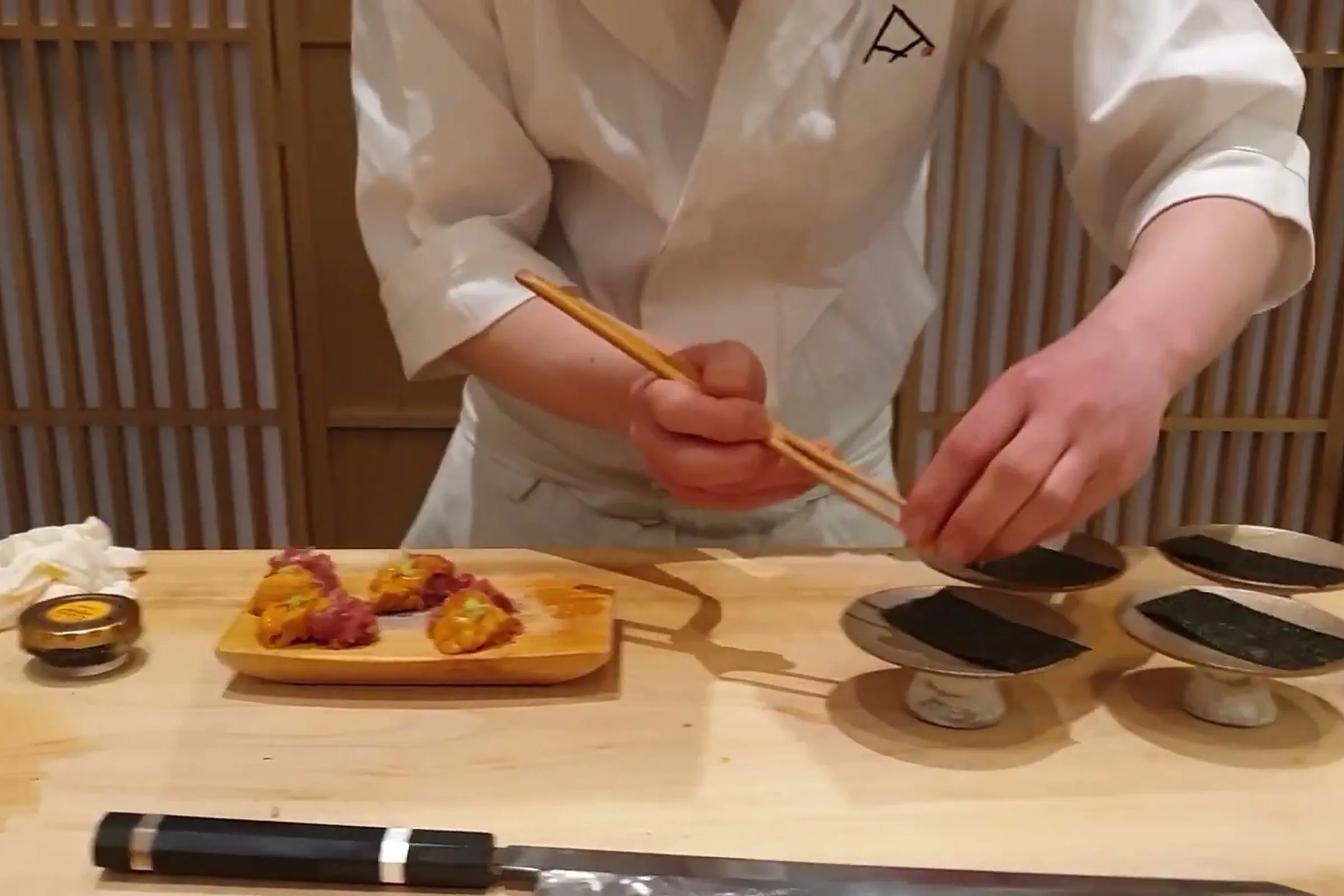
Sushi In is an eight-seat counter in Sinsa-dong, and chef Lee Jin-wook opened it in 2016/04. I’ve been going since opening day. Twice a month the first year, then once a month when my money ran low. Exaggerating a little, if I ranked every sushi place I’ve tried in Korea from one to a hundred, the gap between first and second would be bigger than the gap between second and hundredth (2019/11). First is Sushi In.
It’s the rice. Lee came from Sushi Cho at the Westin Chosun, and the vinegar he uses comes from Ginza Kyubey. His shari is my reference for salt, salt first and vinegar behind it, springy and plump. Lately the red vinegar has been getting stronger. That rice used to be perfect with squid, and the match has slipped a little (2026/10).
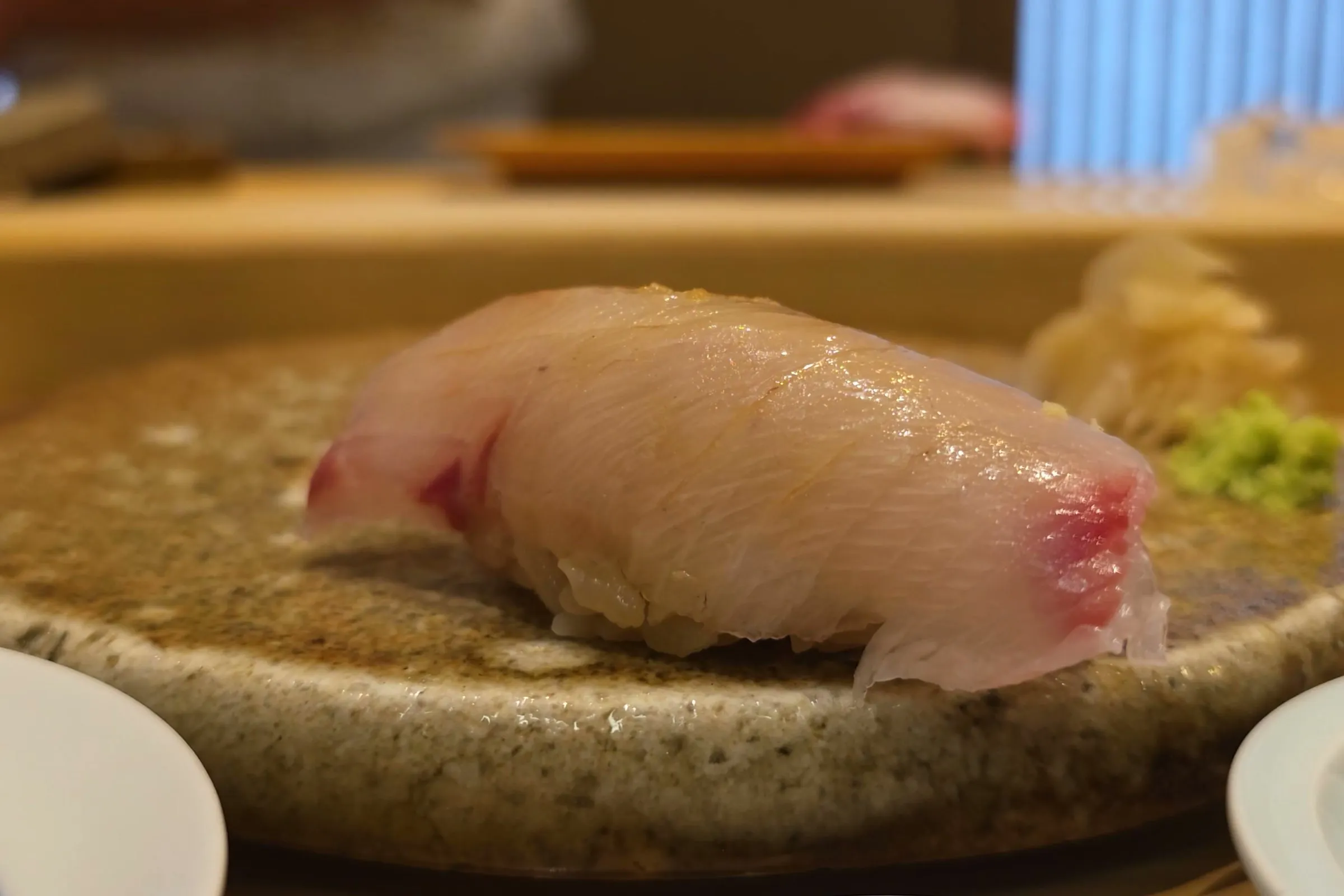
The pieces I’d fly in for, if I didn’t live here. Kohada, a fish I don’t even like, as good as Sugita’s on its best kohada days. I ordered an extra one, maybe the third time in my life I’ve done that (2019/11). Shima-aji, the best I know in Korea (2020/02). Ikura that’s rich and a little sticky instead of floating in brine (2026/10). And the kanpyo maki, the dried gourd roll, which I’ve called the best in the world for years. Nobody else’s has that color (2026/10).
It isn’t perfect. Tuna and uni are most of what a course costs and the smallest part of why I go. The tuna was below its pedigree for a while (2019/02), then turned mochi-soft and sweet after the switch to Yamayuki (2019/11). Uni can be bitter on a bad day (2019/11). On my last visit the silver fish were weak and the herring, usually the famous piece here, was just okay (2026/10). I’d still rank it near the top even counting Japan.
Ten years of Sushi In prices, and why newcomers can’t book
Nobody in Seoul raises prices slower than Sushi In. When it opened, it was the only hard booking in town, and other chefs used to say they were waiting for Sushi In to go up first so they could follow. Then the Covid years filled Gangnam with new sushi counters raising prices like it was a race, and Sushi In stayed where it was (2026/10).
A price rise never makes a single piece better. Every place says fish costs went up, and what changes is the lineup, not the quality. So when I say Sushi In is still the best value in Seoul at ₩360,000, about US$270 (2026/10), I mean the taste, not the number. These are all the dinner prices I have, from my old Naver blog and from what I’ve said on camera.
Booking used to be easy. Anyone could phone, and no-shows got so bad that a month or two out was full while the same day almost always had a seat. Ninety percent of the no-shows were newcomers, so first-timers were moved to a waitlist, phoning on the 1st of each month. Regulars almost never cancel, though, and in six months one waitlist group got in. That ended too, and newcomers now come through people who already go (2020/02).
Eight seats, a flat counter and two sittings a night. Lee once told me no-shows weren’t about money for him. He hates throwing away seasoned rice. I believe him.
| When | Dinner | What changed |
|---|---|---|
| 2016/04 | ₩200,000 sushi course, ₩250,000 with sashimi, about US$170 and US$220 | Opening week. Two courses. |
| 2016/05 to 2018/05 | ₩250,000, about US$230 (2018/05) | One dinner course. Lunch started at ₩150,000 in 2018/01. |
| 2018/09 | ₩270,000, about US$240 | First rise. Lunch went to ₩160,000, and a deposit came in for bookings from 2018/10. |
| 2021/02 | ₩270,000, about US$240 | No change through the first Covid year. |
| 2022/02 | ₩300,000, about US$250 | Second rise, from 2021/12. |
| 2024/11 | ₩330,000, about US$240 | A 10% rise. |
| 2026/10 | ₩360,000, about US$270 | My visit just before was still ₩330,000 (2026/10). |
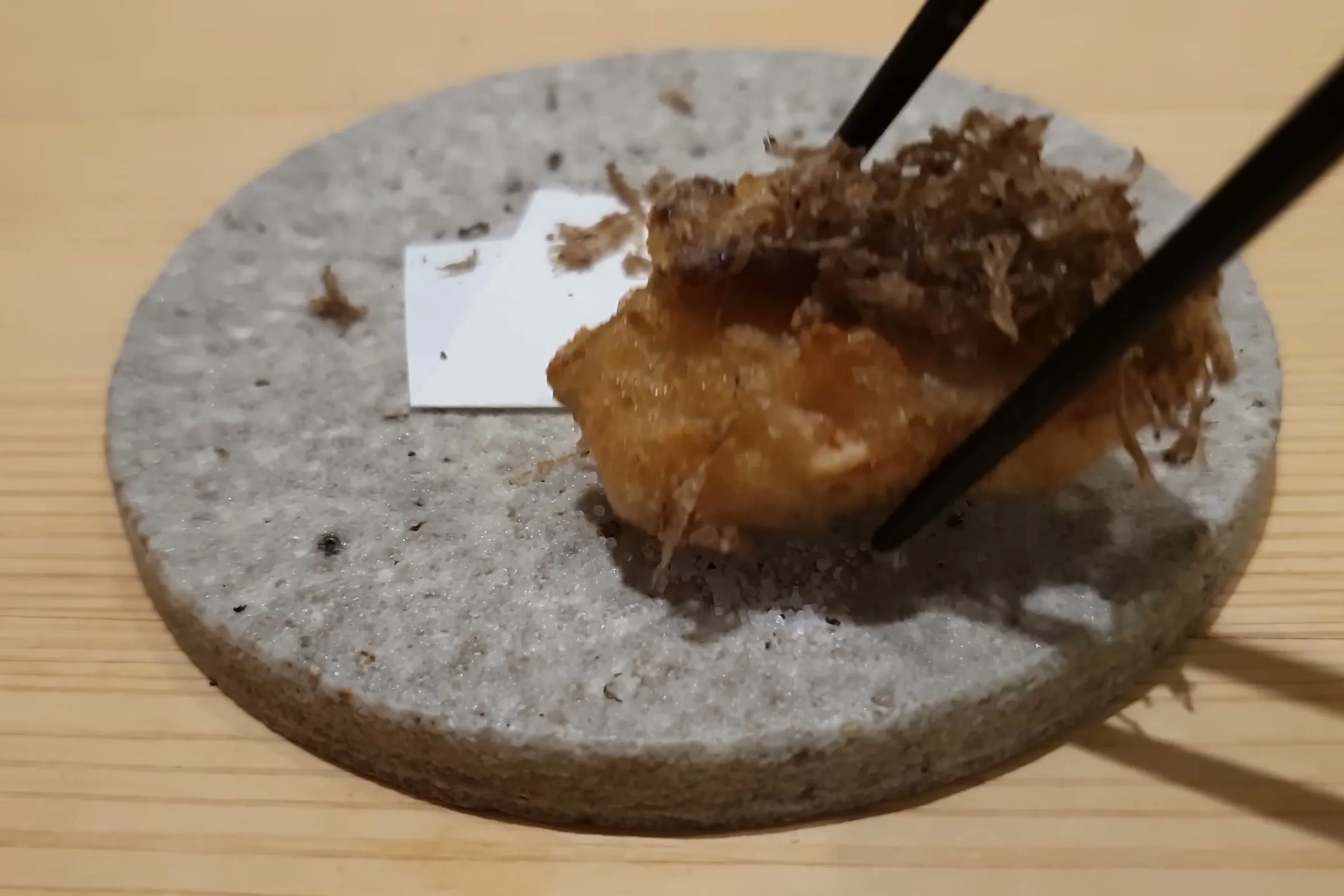
Sushiya in Bundang, the best rice I’ve had in Korea
Sushiya is near Jeongja Station in Bundang, south of Seoul, and I don’t have a car. I still go. I’ve called it my Michelin three stars, because three stars means worth a trip of its own (2019/12). Chef Lee Jung-woon’s nigiri motion is one of the prettiest I’ve watched.
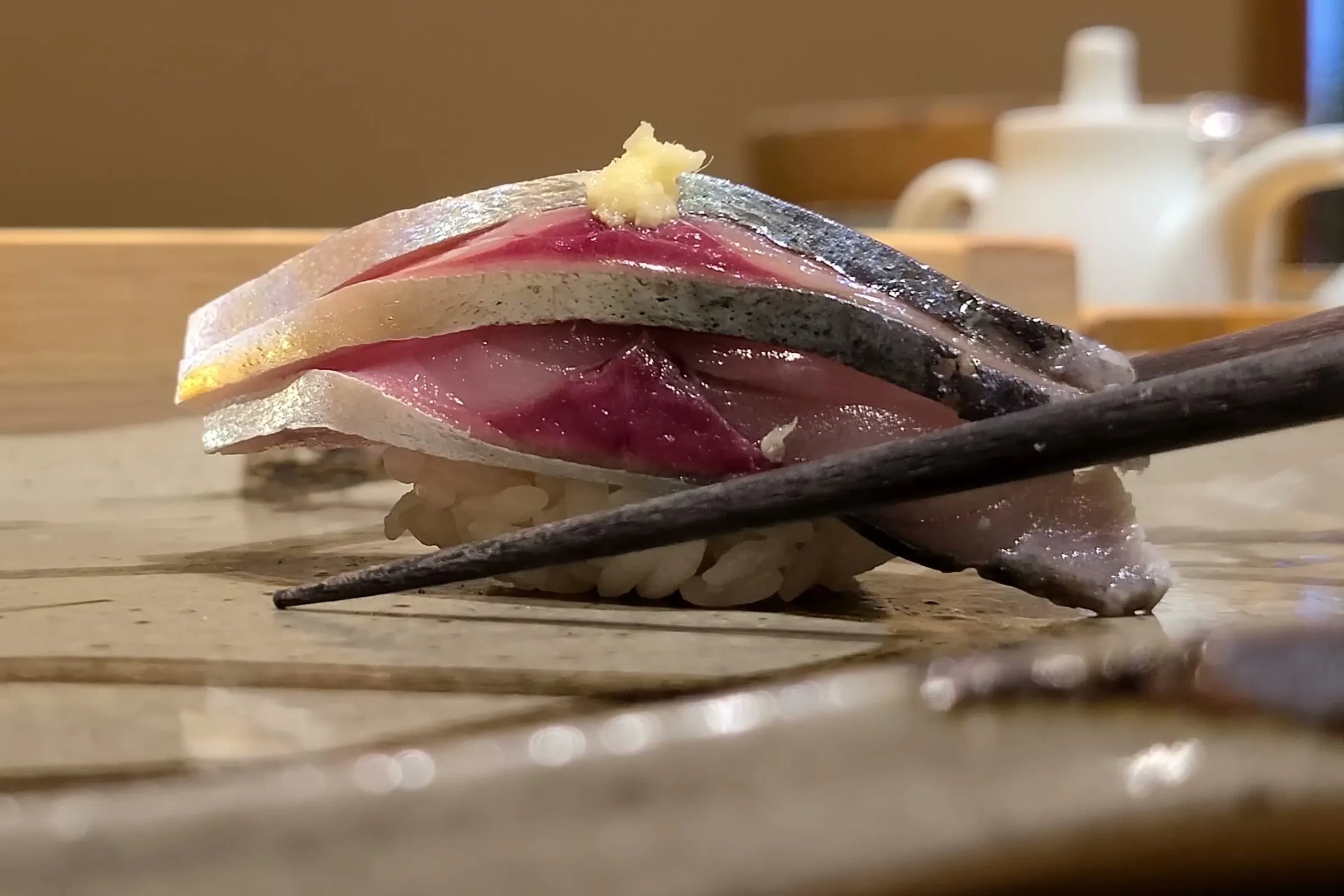
On its best day it served the best rice I’ve eaten in Korea. Kohaku vinegar, every grain separate, seasoning that hit hard, and I’ve eaten sacks of Kohaku-vinegar rice. That meal had scallop as sweet as Sugita’s, aji namero I wanted to lick off the plate, shime-saba with fat like frost, kuruma ebi served hot and cooked through, and a nodoguro rice bowl. I booked again before I left (2020/07).
The rice isn’t steady, though. Months earlier I had my worst day there. Sticky rice clumping in my cheeks, anago too salty, uni bitter, otoro sinewy (2019/12). Even that day the hokkigai was cooked perfectly and the encore mackerel was the best piece, and I kept going back.
Dinner was ₩160,000, about US$130, and lunch ₩80,000, about US$70 (2020/07). Getting in was the hard part. I phoned for months and kept hearing full, until I asked for their earliest seat, two or three months out. Today Bundang is on CatchTable, with lunch listed at ₩110,000 and dinner at ₩220,000, about US$80 and US$160 (2026/10).
You may not need the subway ride now. Sushiya has a Seoul branch on the second floor of 150 Dosan-daero, near Garosu-gil, and that’s where chef Lee Jung-woon is listed, with booking on CatchTable (Polle, 2026/10). I’ve eaten at that branch too (2024/12).
Tenjimon in Cheongdam, for the pot rice
Tenjimon isn’t a sushi counter. It’s a Japanese course on the fourth floor of the TocToc building in Cheongdam, a collaboration between Kim Dae-chun of TocToc and Zaiyu Hasegawa of Den in Tokyo (Michelin Guide, 2026/10). TocToc’s elevator only goes to the third floor, so take the one on the other side.
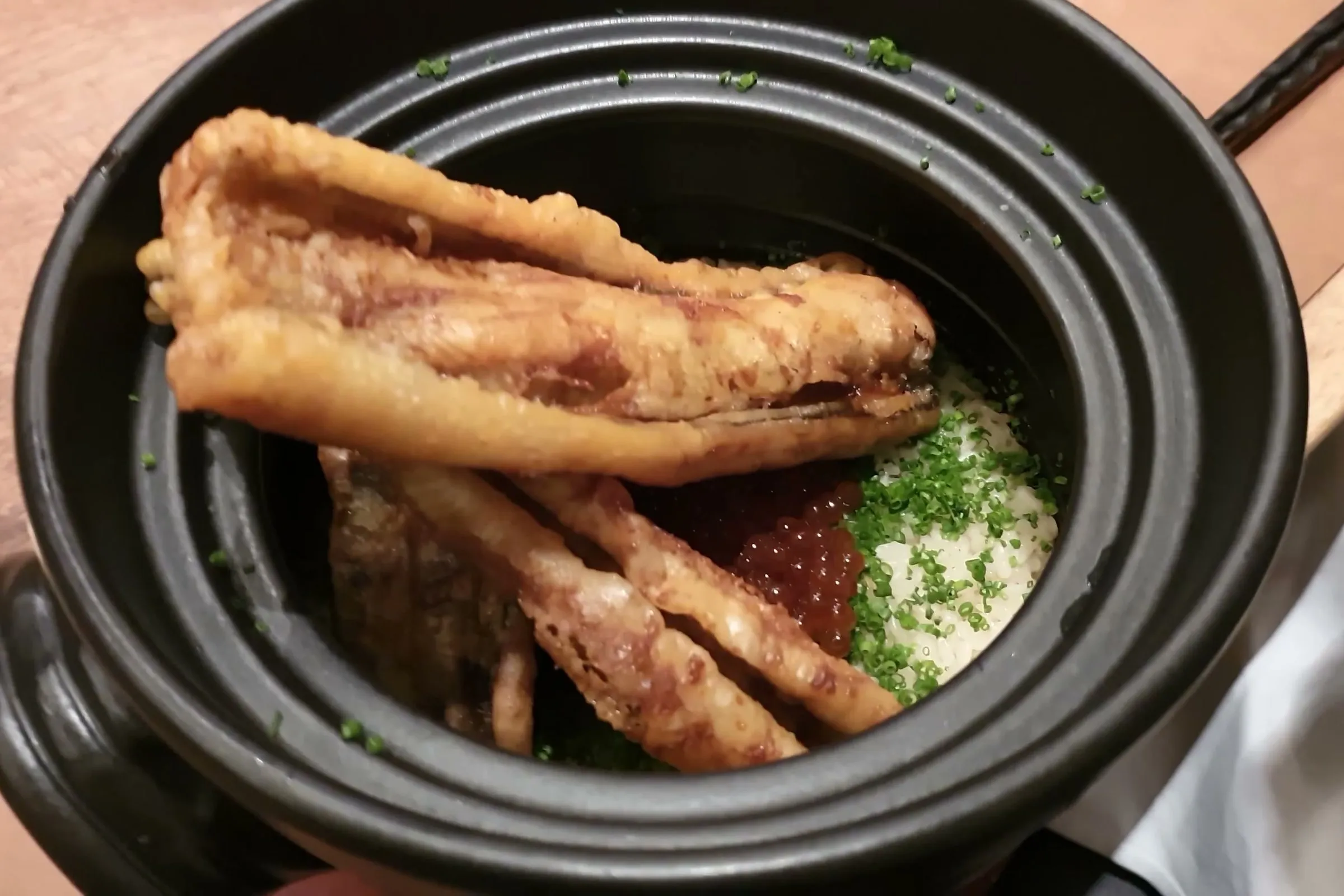
I had the ₩250,000 course, about US$210 (2019/11). It opened with a poached egg in bonito dashi under a pile of white truffle, then a crisp eel roll with exactly 10 g of caviar, and a clear soft-shell turtle soup. The pot rice is the main event. The first pot was about half fried anago and half rice, with ikura cured in house. The second had dried greens, sirloin and misuji in a cast iron pot that took three months to arrive. I had another bowl.
The abalone was the one miss, a little fishy and tough, and I liked TocToc’s striploin more than the one here. But the umami was strong from start to finish, and I liked that more than light kaiseki.
The room across the hall wasn’t open yet. It was Seventh Door, Kim Dae-chun’s fermentation restaurant, and 7th Door has a Michelin star in the 2026 guide. Tenjimon lists lunch at ₩150,000 and dinner at ₩230,000, about US$110 and US$170, closes Sunday and Monday, and takes bookings on CatchTable, with the phone kept for solo diners and groups of five or more (2026/11). Michelin says booking is a must.
Where this happened7th Door→
Sushi Ito, the counter I never got tired of
Sushi Ito in Sinsa-dong was where I went to recover from bad meals, because Sushi In can’t be booked on a whim. My nickname for it was Ttosittoto, Sushi Ito again and again. The chef on most of my visits was Kim Seong-bok, and I’d message him what I thought after every meal.
Handling salt is a sushiya’s first virtue, and his salt-only cured mackerel proved it (2020/01). The tsumami were the draw. Chawanmushi with gorgonzola and truffle oil, ama-ebi with its shell fried, very fatty ankimo, mackerel namero with myoga and mustard, and grilled cod shirako over uni rice. Akami from by the blood line came cut thin and wide (2020/01).
Some things didn’t work for me. The kohada leaned toward anchovy, and abalone-liver rice with squid is a dish I never like. Same-day cancellations had left five guests for the whole evening, the course ran fast, and the vinegar in the first pieces hadn’t settled. The extras after that were on the house (2020/01).
By 2021/04 Kim Seong-bok was splitting his time with Sushi Momo in Songdo, and chef Lee Eun-ho made my nigiri that day. The rice still had Ito’s loud character and the anago skin came charred and nutty, but the rice portions were too big until I asked for less, and the aji was a little fishy. Dinner was ₩198,000, about US$180 (2021/04).
I couldn’t confirm Sushi Ito is still open (2026/10). One listing marks the old Sinsa-dong address closed, while a CatchTable page called Sushi Ito Sinsa-dong is still up. Check before you plan around it.
Sushi Sumire in Cheongdam, and where its chef went
Sushi Sumire is a long counter in Cheongdam, and under chef Lee Seong-jun it made me a regular. Back then I told people to go at lunch. It came with tsumami and was so generous that dinner, at about twice the price, didn’t feel twice as good (2020/02).
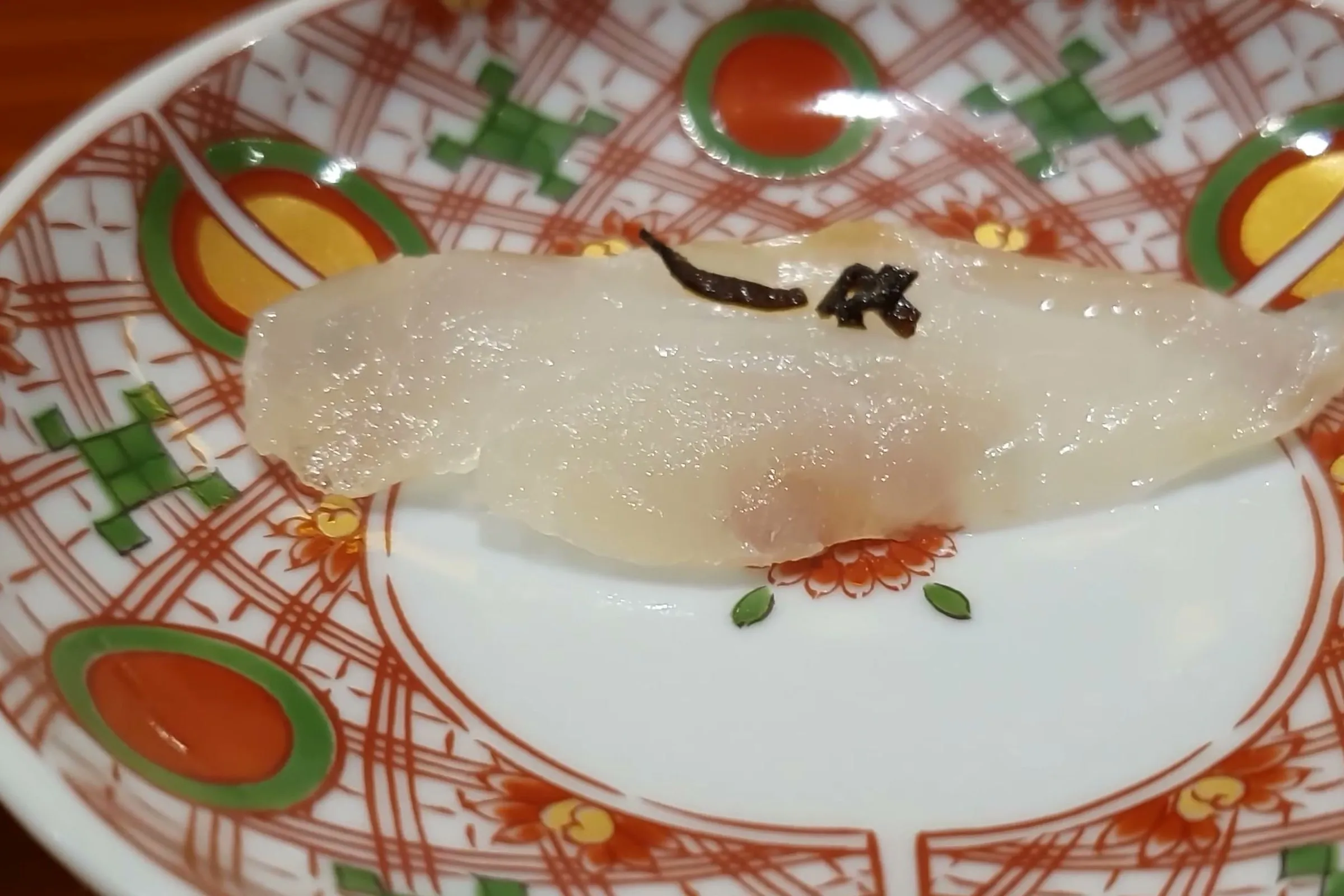
White fish was the signature. Kobujime sweet and fluffy with none of the kelp’s bitterness (2020/02), and hirame sashimi rolled with scallion or shiso (2021/09). My favorite single thing was grilled fugu shirako on rice with a sweet sauce. The rice was the Sushi In type, salt before vinegar, and the fattiest shima-aji belly always came to me (2020/02).
It had its misses. Korean farmed tuna with an off smell in the toro, bitter uni, too much caviar on the shiroebi, and seats close together on a long counter (2020/02). Then my last visit was the best meal I’d had there. Dinner was ₩220,000, about US$190, with warm kuruma ebi over its fried shell and legs, kawahagi on its own liver, abalone-liver rice heavy on truffle oil, and the mackerel nigiri I’d been hoping for (2021/09).
That night chef Lee told me he was leaving at the end of the month to open his own place, and I haven’t filmed Sumire since. He opened his own counter, Sushi Ren in Cheongdam, in 2022, and a review there from 2026 still names him. Sushi Ren lists lunch at ₩150,000 and dinner at ₩280,000, about US$110 and US$210, and books on CatchTable or Naver (Polle, 2026/10). Sumire is still listed at ₩100,000 for lunch and ₩220,000 for dinner, about US$70 and US$160, but I couldn’t find who cooks there now (2026/10).
Sushi Shimizu, the all-round pick in Seoul
Sushi Shimizu is a basement counter near Dosan Park in Apgujeong, and chef Lee Kwang-yeol is back behind it after a stretch when he often wasn’t there. I’d been eating in Japan so much that I hadn’t been in ages. A friend wanted sushi, I went looking, and it booked right away (2024/12).
Dinner was ₩220,000, about US$150, when most good Seoul counters started at ₩250,000 (2024/12). Put price, location, how hard it is to book and the taste together, and I couldn’t think of anywhere in Seoul with that much going for it. If everyone piles in, the booking part will change.
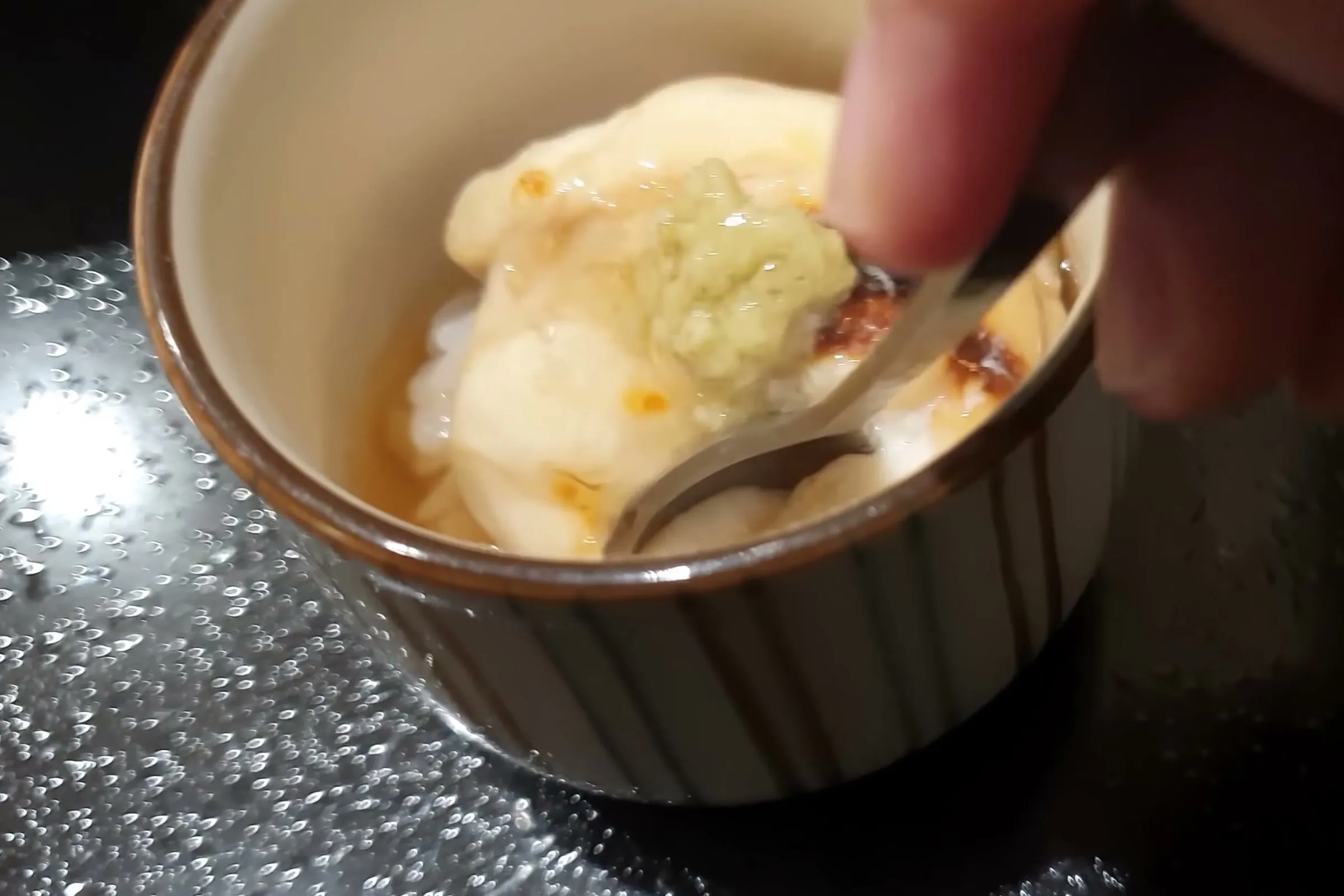
It’s a classic course, in a good way. Chawanmushi first with a sweet and salty an sauce, then hirame and tai as the first nigiri like the old days, a thick, fatty tai belly and slightly big rice. The crab comes out warm, which is why I like Shimizu’s, and the anago nigiri, rich and soft with chewy skin, is the real signature here, more than the famous herring. The rice leans on red vinegar now more than salt (2024/12).
The herring isobe roll was short on fat and the aji was a little fishy. The tuna was ordinary, and the negitoro was the best tuna piece, as it always is here. The chef doesn’t serve uni he isn’t happy with, and this one, from a plain-looking box, was very good (2024/12).
My first visit, at opening, let me down. Everyone raved about unusual rice and I tasted the same vinegar as everywhere else. The lunch I filmed after that was better, ₩110,000, about US$100, and a friend paid (2019/02). It books on CatchTable, groups of four or more phone, and lunch is listed at ₩120,000, about US$90 (2026/10). Dinner reviews mention ₩240,000 to ₩270,000, about US$180 to US$200 (2026/10).
Sushi Umi, the cheap omakase by Sinyongsan Station
Sushi Umi is in the basement shopping arcade of Prugio Summit by Sinyongsan Station in Yongsan, and its chef came from Sushi Shimizu. Dinner was ₩60,000, about US$50 (2020/01), one of the cheapest sushi omakase in Seoul.
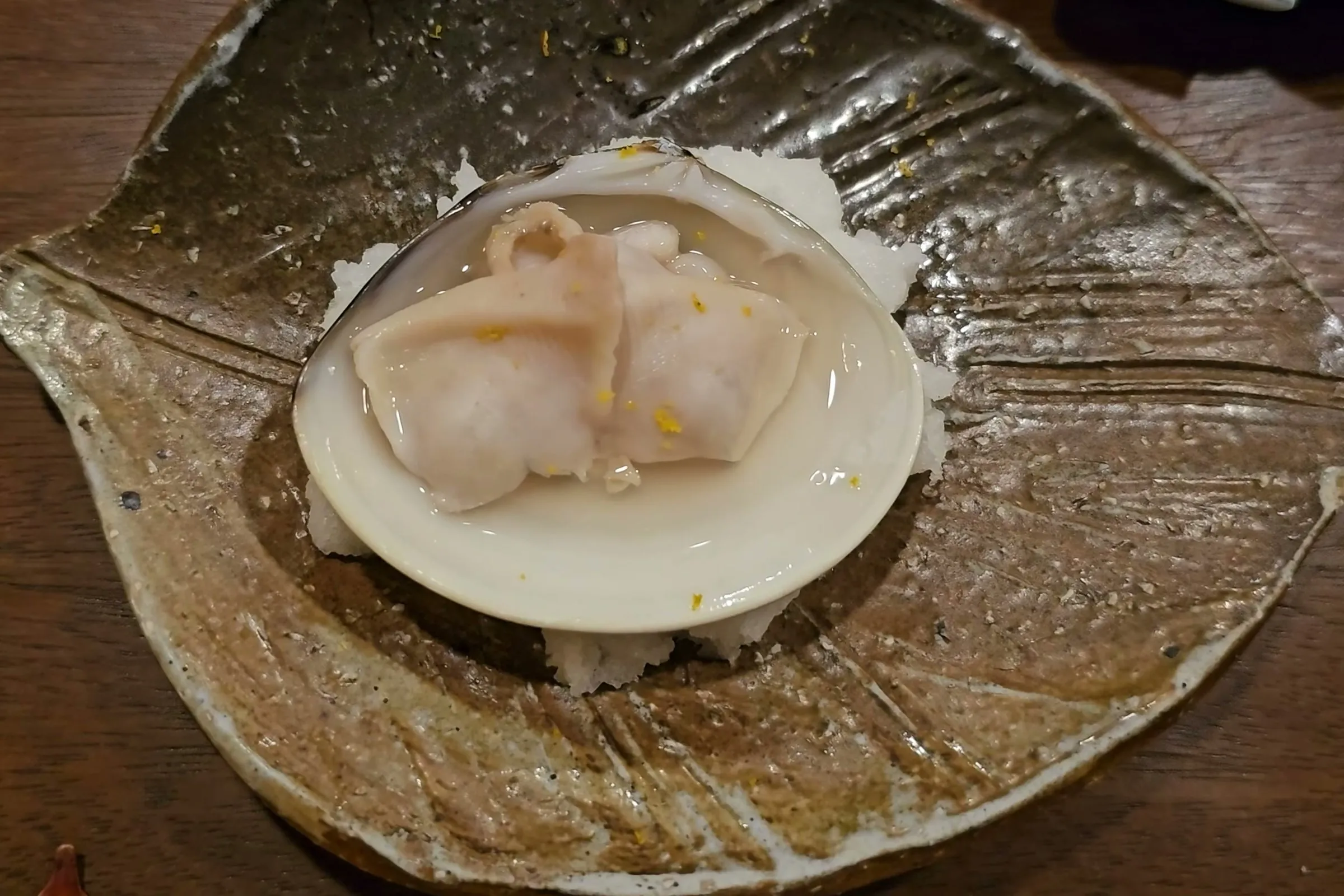
The best piece was buri belly with garlic. The buri came thick and lightly zuke, the sawara crisp-skinned, and the saba bo-zushi, pressed mackerel, was good.
The low price shows. The hirame tasted like the price, especially with wasabi, the rice was big and salty without much texture, and the sayori was fishy. A cheap counter should win on the silver fish, and this one didn’t. My verdict was exactly the price, no more and no less.
About twenty seats, only eight in use, water you pour yourself and plenty of staff. A man at the next seat told his friend he knew me personally and that he shouldn’t watch my channel. I was sitting right beside him. Today Sushi Umi lists lunch at ₩60,000 and dinner at ₩110,000, about US$40 and US$80, and says booking is required (2026/10).
Busan, Sushi Yeon in Haeundae
If you’re going to Busan, I asked subscribers for their top pick and Sushi Yeon in Haeundae won. It was dinner only when I went, and dinner was ₩100,000, about US$80 (2020/02).
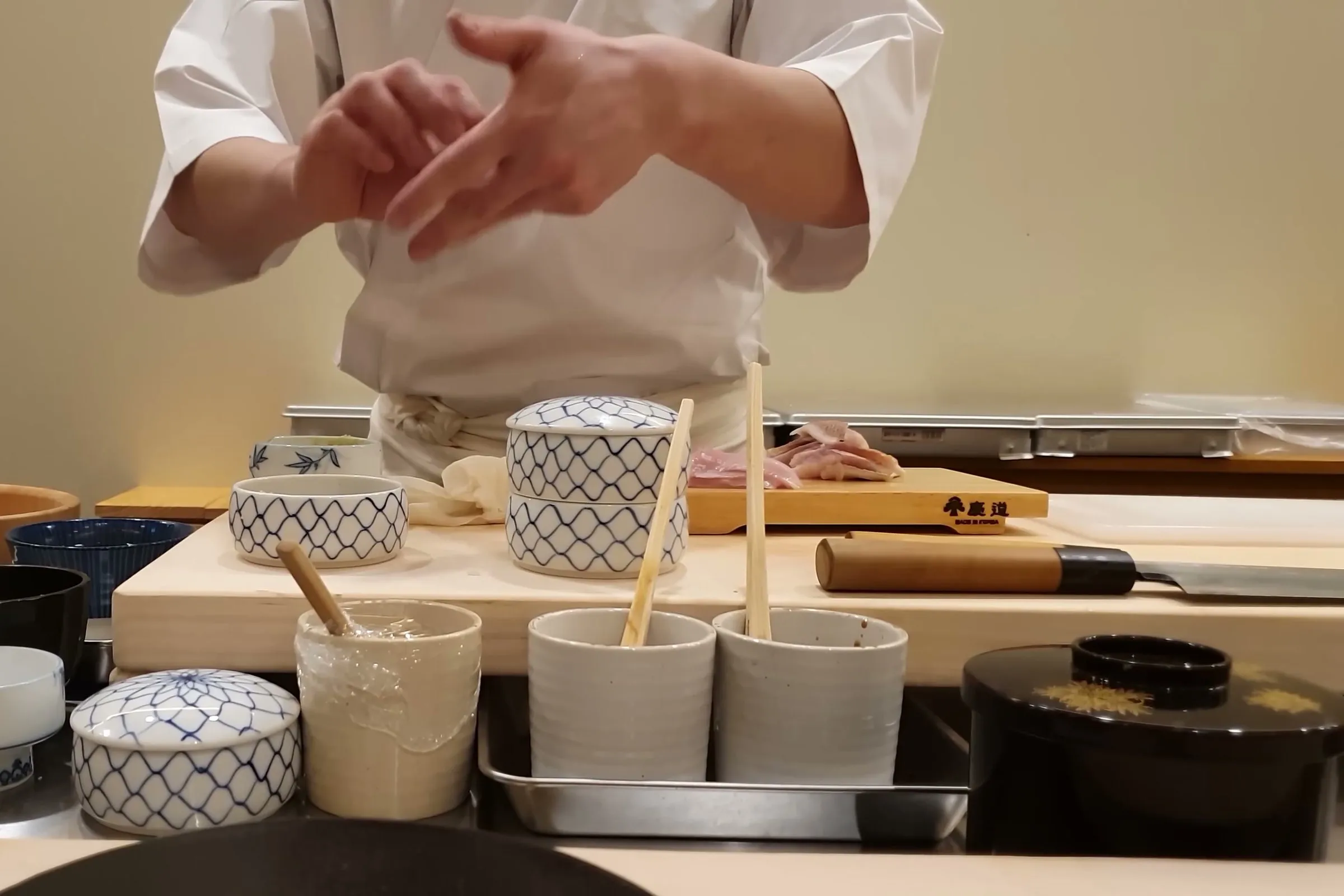
The rice was great. Red vinegar without the smell, a slight sweetness, a sleek surface and an al dente bite. Fresh wasabi, ankimo with sansho, sea bream, kinmedai, nodoguro, and saba bo-zushi wrapped in thick kelp.
It’s no place for luxury ingredients, and a few pieces were plain. The shijimi sauce on the chawanmushi wasn’t for me, the walnut tofu was too firm, and the first nigiri was rockfish, which isn’t a sushi fish to me. Still, I couldn’t name a Seoul counter at that price that beats it.
The friend I went with thought he didn’t like omakase, which is why I’d booked him Sushi In, to settle it. Sushi Yeon settled it first. I couldn’t find a page to check Sushi Yeon on (2026/10), so treat all of this as 2020/02 and call before you go.
How Seoul sushi differs from Tokyo
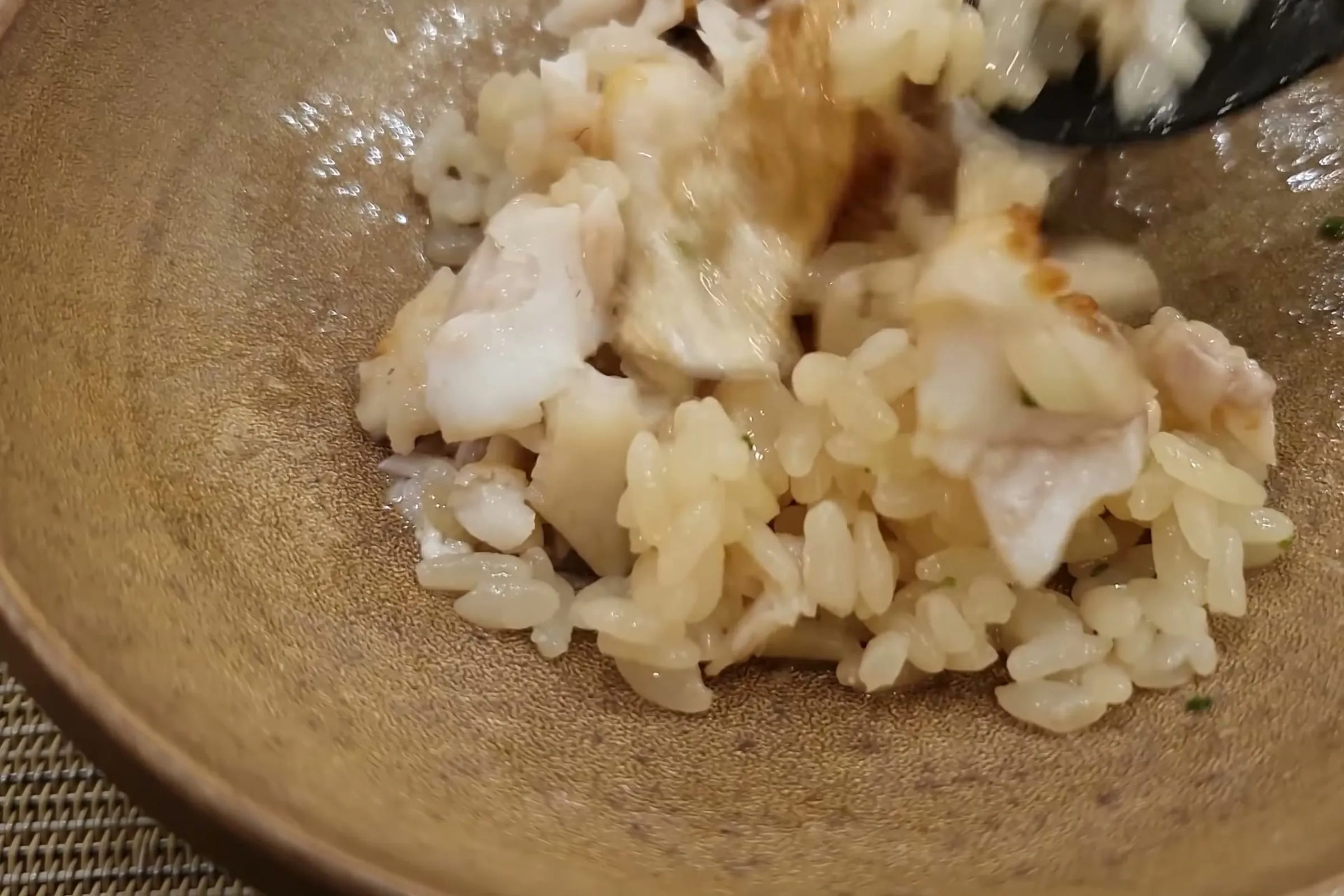
The rice I like in Seoul is the Sushi In type, salt first and vinegar behind, and Sumire’s was the same kind. Red vinegar, akazu, is creeping in, even at Sushi In (2026/10) and Shimizu (2024/12). If you’ve eaten at Tokyo counters built on akazu, Seoul’s best rice will taste gentler.
Seoul runs on regulars. The best counters fill with people who rebook on the way out, and a chef will save the fattiest shima-aji belly for the guy who comes every month. Tokyo has regulars-only counters too, but the ones I’d send a visitor to sell seats online in rounds.
Prices moved later here. Sushi In went from ₩250,000 to ₩360,000 in ten years (2016/05 to 2026/10). The top Tokyo counters I go to went up two to four times over the same stretch.
Then there’s the no-show history. Seoul had a no-show problem bad enough that its hardest counter was easiest to book on the day, because someone always cancelled (2020/02). That’s why deposits and introduction-only booking became normal here.
Two smaller things. Uni brands are fewer. As it was explained to me, Korean imports are tested per brand at the same cost however little comes in, so counters stick to a few instead of chasing each region’s peak (2020/07). And at Sushiya and Sushi In, garlic in the soy sauce means mackerel is next (2019/12).
Read nextThe best sushi in Tokyo, ranked after ten years of going back→Korean BBQ in Seoul, the way I eat it. Pork at Ggupdang, beef at Miu→
Plan the Seoul trip
The boring bits I’d sort before flying, so the eating days stay free.
- Hotels in Seoul*
Pick the room by where you eat, not by the sights. After a long dinner, a short ride back is the real luxury.
- Korea eSIM*
Data as soon as you land at Incheon. Install it before the flight.
- AREX airport express*
Incheon to Seoul Station in under an hour, with no traffic to think about.
- T-money card*
One card for the subway, the buses and the convenience store. Tap on, tap off.
- Gwangjang Market street food tour*
Bindaetteok, mayak gimbap and yukhoe, with someone who knows which stall.
- Korean cooking class in a Bukchon hanok*
Cook a few home dishes in an old hanok, then sit down and eat them.
Links marked * are affiliate links. If you book through them I may earn a small commission, and you pay the same. How it works
The videos this guide comes from
- Legendary Sushi restaurant in Seoul, Korea. Impossible to book!10:102019/11
- ₩360,000 Now and Still Seoul’s Best Value | Sushi In8:052026/10
- The one and only introduction-only sushi omakase in Seoul15:592020/02
- The best sushi in Korea, Sushi In12:012019/02
- The best dinner omakase in Korea. Impossible to book!7:062019/04
- The best sushi in Korea, 2020 | Sushiya, Bundang12:522020/07
- A Bundang sushiya worth a trip of its own13:042019/12
- A ₩250,000 Japanese course at Tenjimon in Seoul, and the pot rice12:112019/11
- Never get sick of this omakase | Sushi Ito17:532020/01
- An Encounter with a New Chef at Sushi Ito8:392021/04
- My favorite sushi in Seoul, the best value otsumami | Sushi Ito7:492019/08
- This sushi joint made me their regular | Sushi Sumire12:212020/02
- It Was Delicious, But This Might Be My Last Visit to [Sushi Sumire]8:242021/09
- Sushi Shimizu, back in form with its chef13:342024/12
- A ₩110,000 lunch omakase at Sushi Shimizu in Seoul8:432019/02
- One of the cheapest sushi omakase in Seoul | Sushi Umi12:232020/01
- Even better sushi omakase in Busan than in Seoul | Sushi Yeon8:322020/02
Sources
- Sushi In's opening week, 2016/04 (Korean) Naver Blog
- Sushi In's 2018/09 price change (Korean) Naver Blog
- Sushi In's deposit from 2018/10 (Korean) Naver Blog
- 스시인 DiningCode
- 스시야 DiningCode
- Tenjimon MICHELIN Guide
- 텐지몽 DiningCode
- 7th Door MICHELIN Guide
- 스시 스미레 DiningCode
- Korea's admired restaurants in Gangnam, Seoul CatchTable
- 스시 시미즈 DiningCode
- 스시 렌 Polle
- 스시야 도산대로점 Polle
- 스시우미 DiningCode
- 스시 이토 Polle
- CATCHTABLE, Book Restaurants App Store
- South Korean Won to U.S. Dollar Spot Exchange Rate (AEXKOUS) FRED, Federal Reserve Bank of St. Louis