My family home in Seoul is a sushi counter in Cheongdam
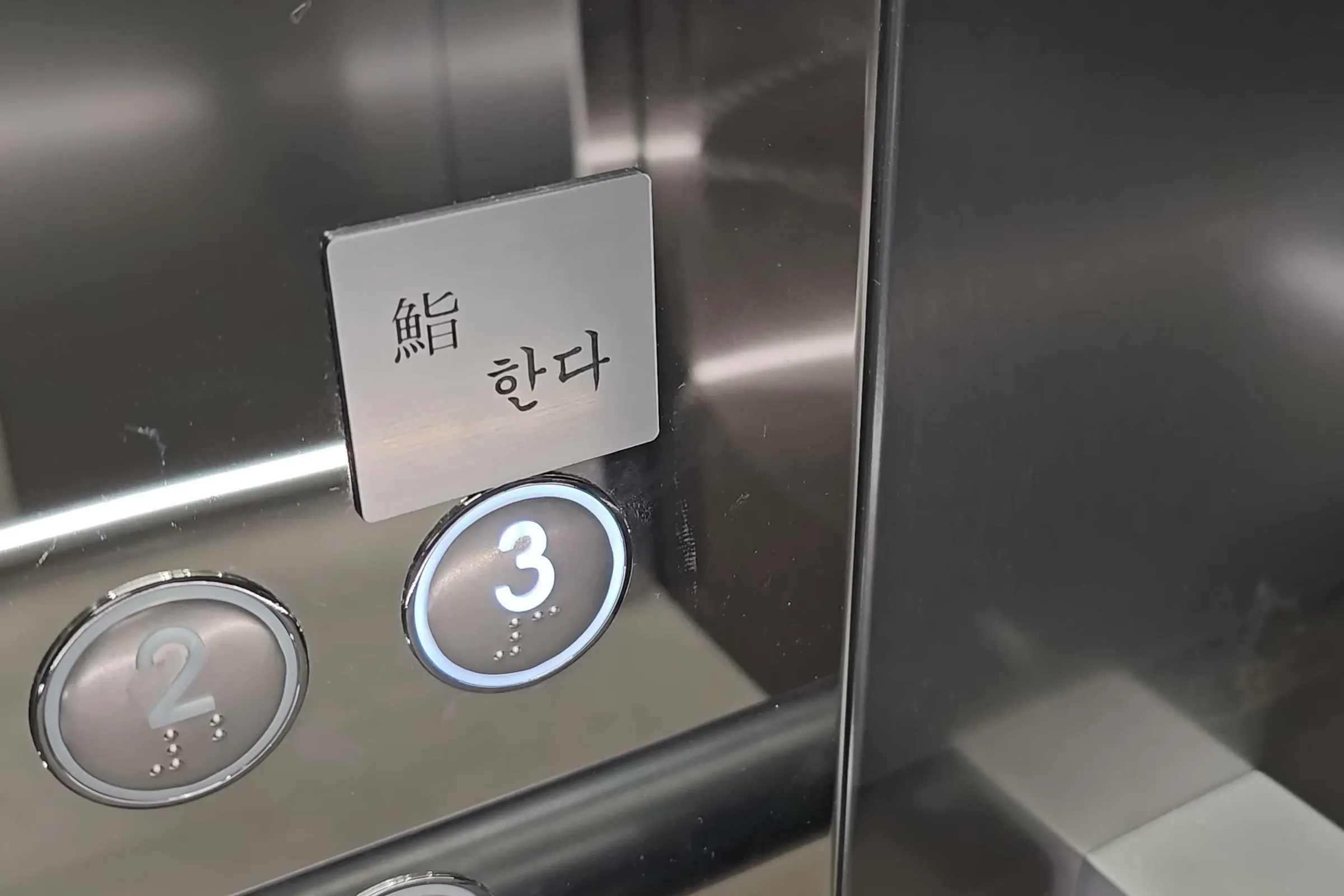
Sushi Handa (스시한다) is chef Kim Seong-bok’s sushi counter in Cheongdam-dong, Seoul, opened in 2022/11 after he ran the counter at Sushi Ito. Dinner omakase was ₩250,000 a person, about US$200 (2023/02), and Naver Place listed lunch at ₩130,000, about US$100, in 2026/11, with a visitor’s blog that month still giving dinner at ₩250,000. Bookings go through CatchTable. Would I go back? I already call it my family home. Come for the shari and the chef’s mash-up dishes. The fish quality swings from night to night, and I’ll tell you where it dipped.
monster gourmetFrom my 2023/02 video
- My share
- ₩250,000
- about US$200, dinner omakase per person (2023/02); lunch ₩130,000 listed in 2026/11, 2023/02 video
- Highlight
- The squid, uni and botan ebi bowl, and the hard, punchy shari
- Skip
- Expecting every piece of neta to be Tokyo grade
- Video
- 19:44
- 2023/02
- Where
- Cheongdam-dong, Gangnam, Seoul
- Gangnam-gu Office (Suin-Bundang line), exit 4, about 730 m on foot
₩250,000 for dinner, and who paid
Dinner omakase was ₩250,000 a person, about US$200 (2023/02). A little more than the old Sushi Ito days. When I checked in 2026/11, Naver Place listed the lunch course at ₩130,000, about US$100, and a visitor’s blog from that month still gave dinner at ₩250,000.
There’s no receipt on camera for a reason. I went with a hyung, an older friend, who always pays when he eats with us younger guys. For about seven years, whenever we meet he pays. I’d already have my card out and he’d hand the manager cash and take my card back.
That week was near his birthday, so I paid in cash halfway through the meal before he could. That’s the whole story of the missing receipt (2023/02).
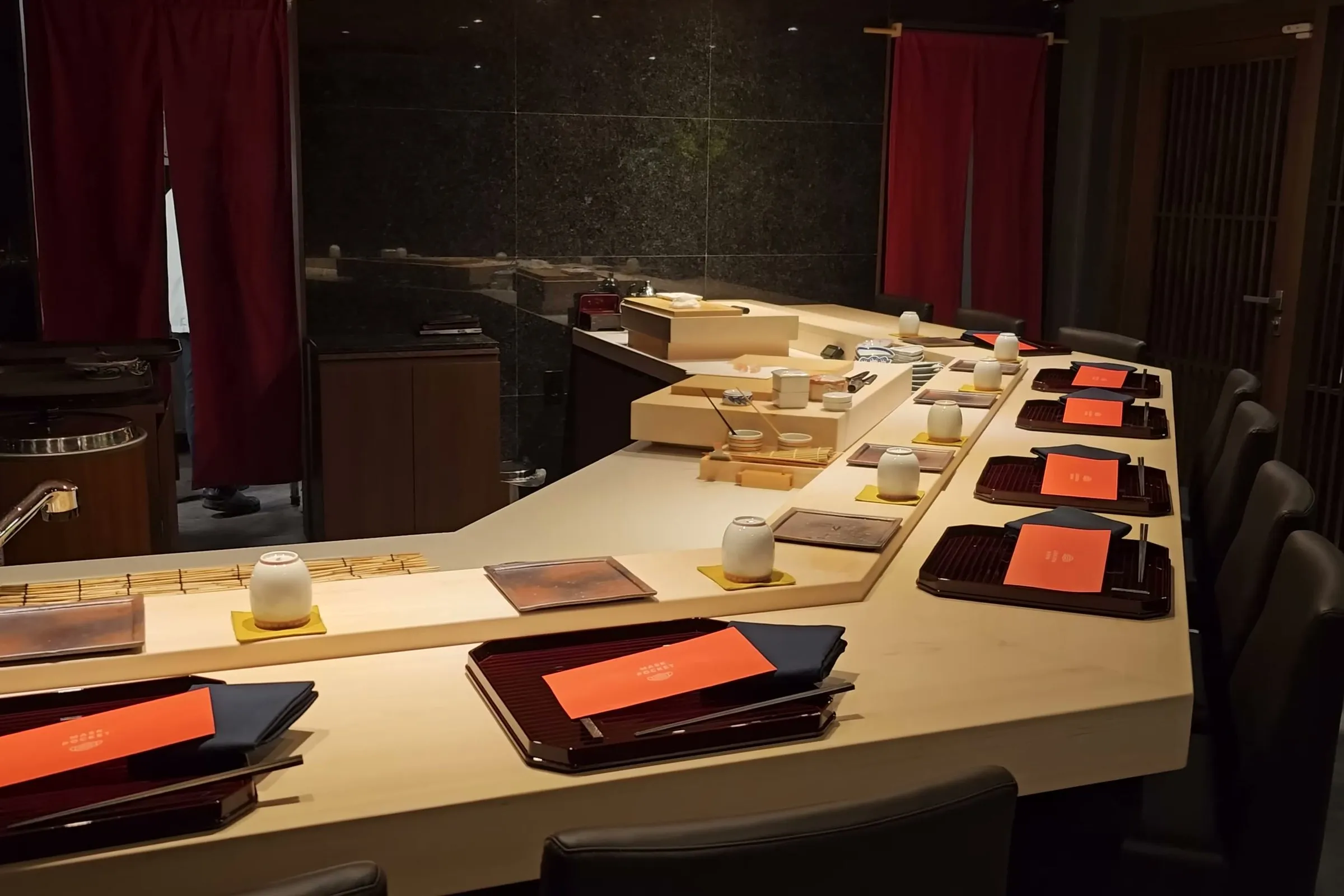
Sushi Ito’s chef, on his own
Anyone who follows Seoul sushi knows Kim Seong-bok. He ran the counter at Sushi Ito, he’s a chef I like, and in 2022/11 he went independent and opened Sushi Handa. The name is a pun: “Are you doing sushi?” “Yes, I’m doing sushi.”
The comments kept asking why I wasn’t reviewing Sushi Handa, and even why I’d stopped going to Sushi Ito. Plenty of people didn’t know he’d left. As a chef he’s great. As a businessman, I think he has a problem. He doesn’t promote anything.
I was a huge regular, and I knew he was planning his own place near the end at Sushi Ito. I assumed he’d call the minute he opened. He didn’t. The call came about a month in, so my first visit was more than a month after opening. He told me later he was careful because I run a YouTube channel, and he didn’t want it to look like he was asking for an ad (2023/02).
This was my third visit. I sat on the first ones because he said he’d changed a lot since the opening weeks, when it still tasted a lot like Sushi Ito.
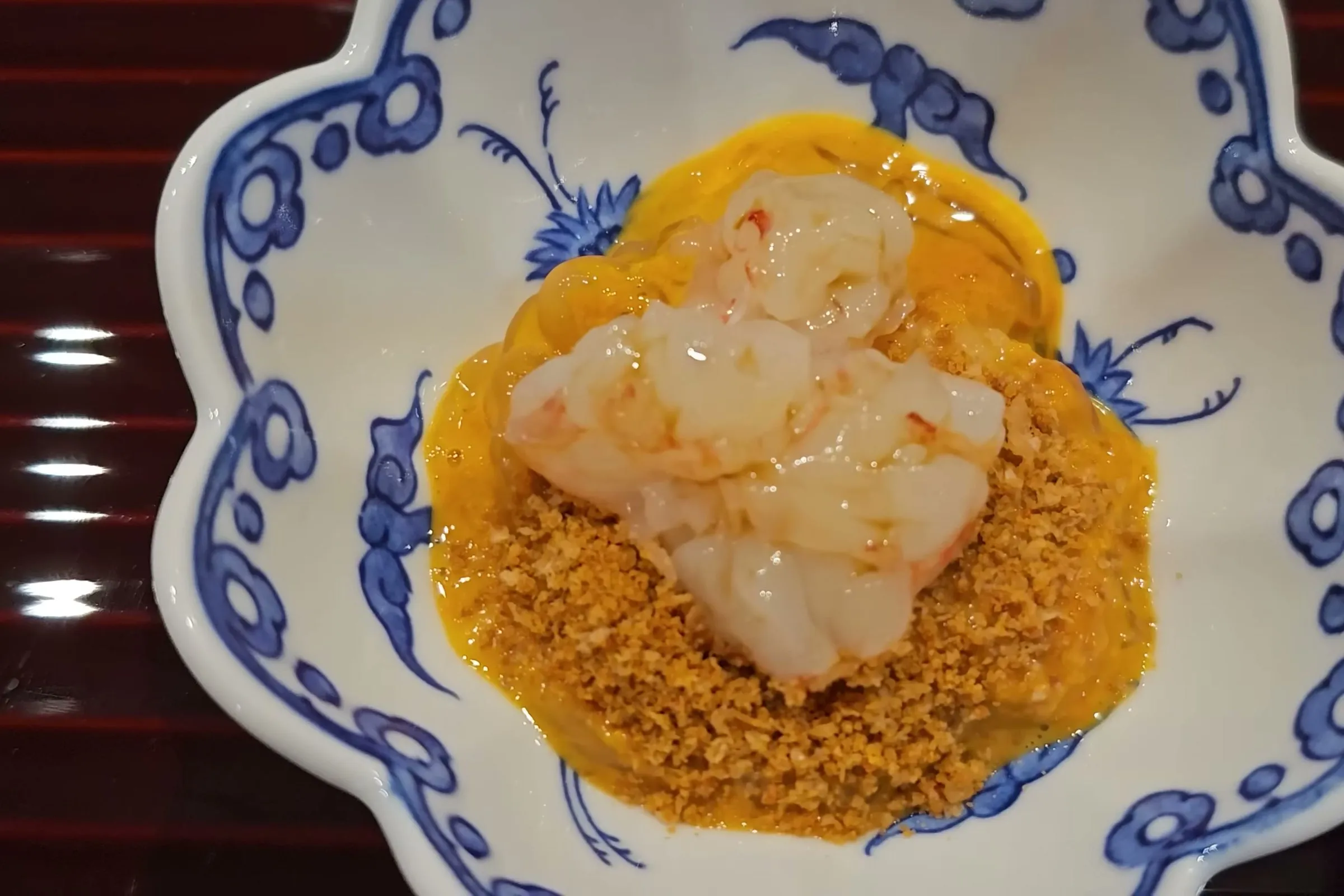
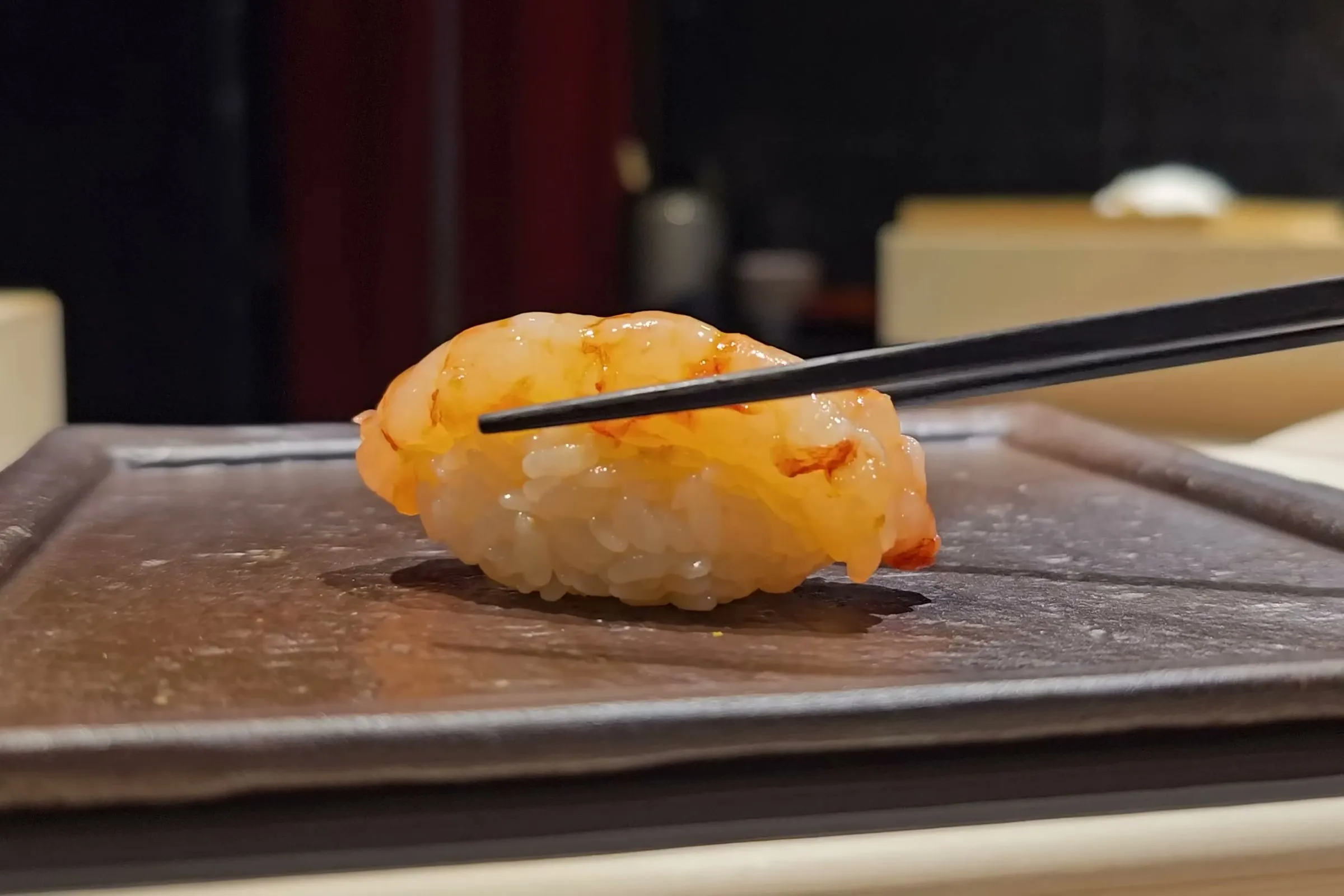
Squid, uni and botan ebi, two famous counters in one bite
This is probably Sushi Handa’s signature for now. Shari, then squid mixed with uni on top, then botan ebi and a crumble made from the prawn’s shells and head, fried. Some people will see a pile of luxury ingredients thrown together, like the sweet shrimp and uni combo plenty of people find cheap now. It’s two famous Tokyo counters’ signature dishes put together.
Before Sushi Ito opened, Kim had a stretch out of work, and I was flying to Japan all the time, so we went to a few Tokyo counters together. One was Sushi Hashiguchi, then in Tabelog’s Tokyo top three, a place where you can’t film anything. They served squid mixed with uni. The squid was unreal, the uni was great, and he clearly remembered it.
The botan ebi and crumble come from Sushi Namba. When we ate there, Namba-san watched us eat, came over and asked Kim what he did. He said he was an itamae taking a break. Namba-san asked if he could help out at the shop, so Kim worked there for a while and learned that dish. Namba serves it long and narrow.
So it brings back two great meals for me. And the result is good on its own: a destructive kind of flavor that anyone would remember (2023/02).
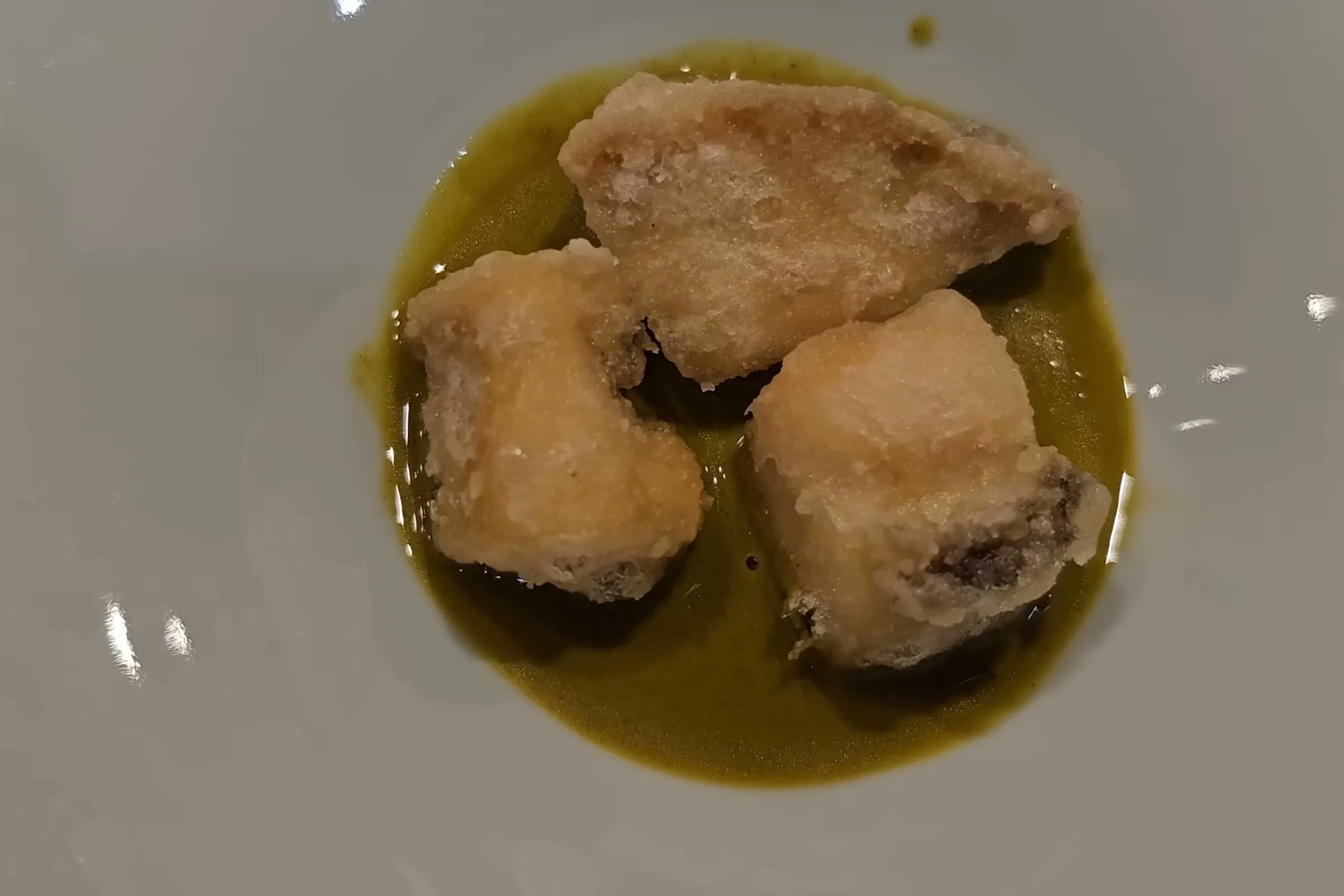
Copied from Kyoto, fried abalone, and Zeck crackers
Some of the opening dishes are versions of Sushi Ito’s. The mackerel got an upgrade. The abalone sauce tastes about the same, but now the abalone is fried instead of just steamed, so more sauce clings to it (2023/02).
The fried taro with sansho oil and pickled sansho splits guests, he says. He found it on a trip to Kyoto before opening, at Nakahigashi, a vegetable-focused restaurant that held Tabelog’s number one spot in Kyoto for years. There it’s ebi-imo. He liked it so much he copied it. Kakashi the copy ninja.
A flavor bomb from the Sushi Ito days is still here, but the base changed. He used to make lotus root chips himself, and now it’s a Zeck cracker. I recognized it and asked. His joke was that he didn’t want people saying he’d copied Sushi Ito. The real reason: Sushi Handa’s guests are older than Sushi Ito’s, the price is a bit higher, and enough of them said the chips were too hard (2023/02).
Then a soup with red rockfish and shirako. He worked in Kyoto once, and he makes a great broth. The bowl looked absurdly big, and I wondered if he wanted to fill us up on soup. It sits on a tall foot and the bowl itself is shallow, so the soup itself is a small serving (2023/02).
Rice with real force
He changed the rice. The surface is still the one I love: dry, smooth and firm. Sushi Namba takes that texture to the extreme, he learned it well there, and of all chefs he’s the one who brings out the shari texture I like best. Bite through a grain and it doesn’t snap like al dente. It’s chewy and taut, and he says that’s the new rice (2023/02).
The vinegar is the sharp Sushi Ito style, brought over almost as it was. If you liked Sushi Ito’s shari you’ll like this. What changed is the aroma: it used to be high-pitched, now it presses lower and heavier. Vinegar still jumps out far more than salt (2023/02).
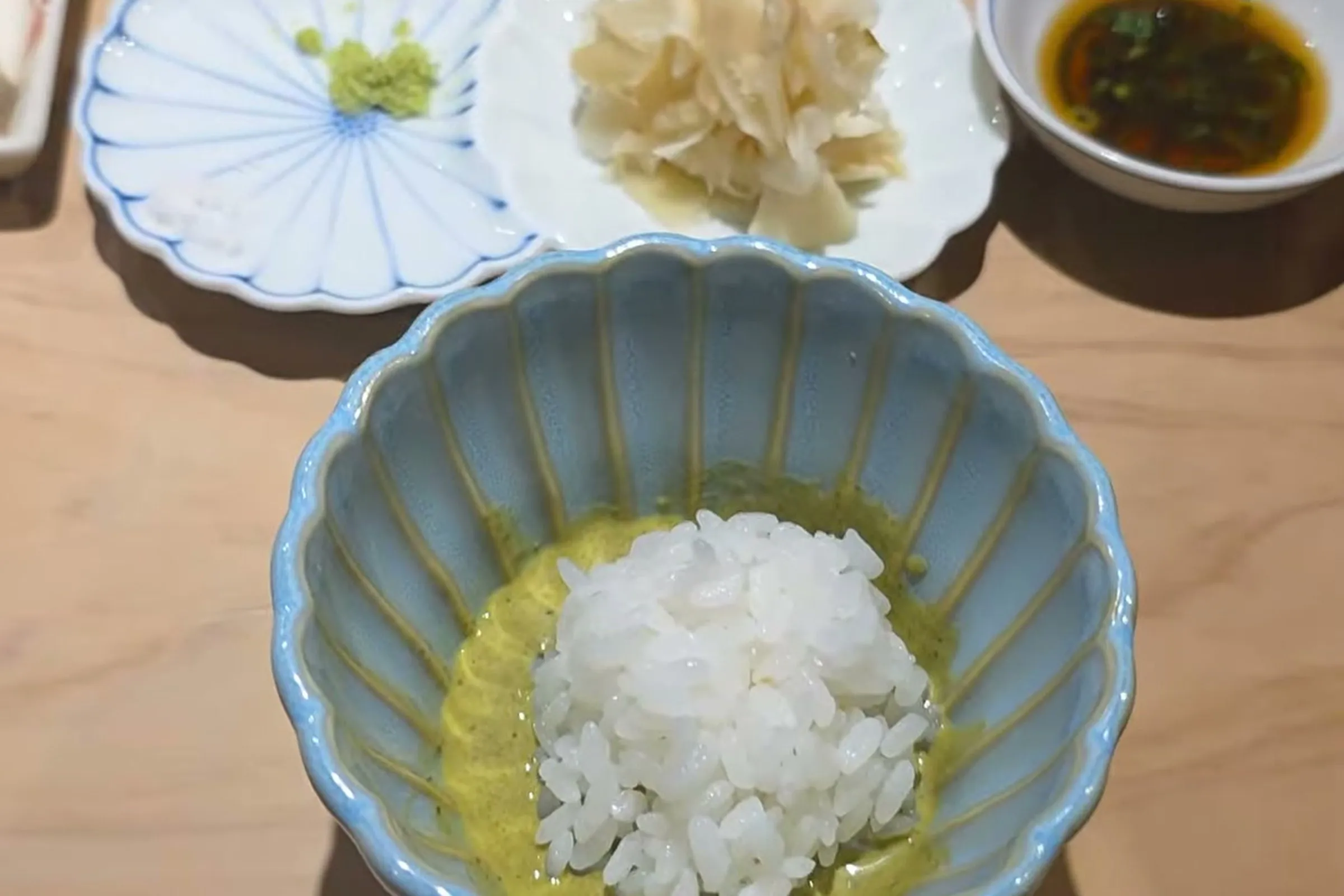
In 2026/07 it was still strong. I mean that as praise. I love shari with this much force. He served rice in a thin abalone liver sauce, closer to abalone gukbap or porridge than the thick sauces everywhere else, and the rice was the main event and the abalone the appetizer. Because the grains are so firm, it works. I don’t like rice gone mushy (2026/07).
Better tuna than I expected, and the kasugo
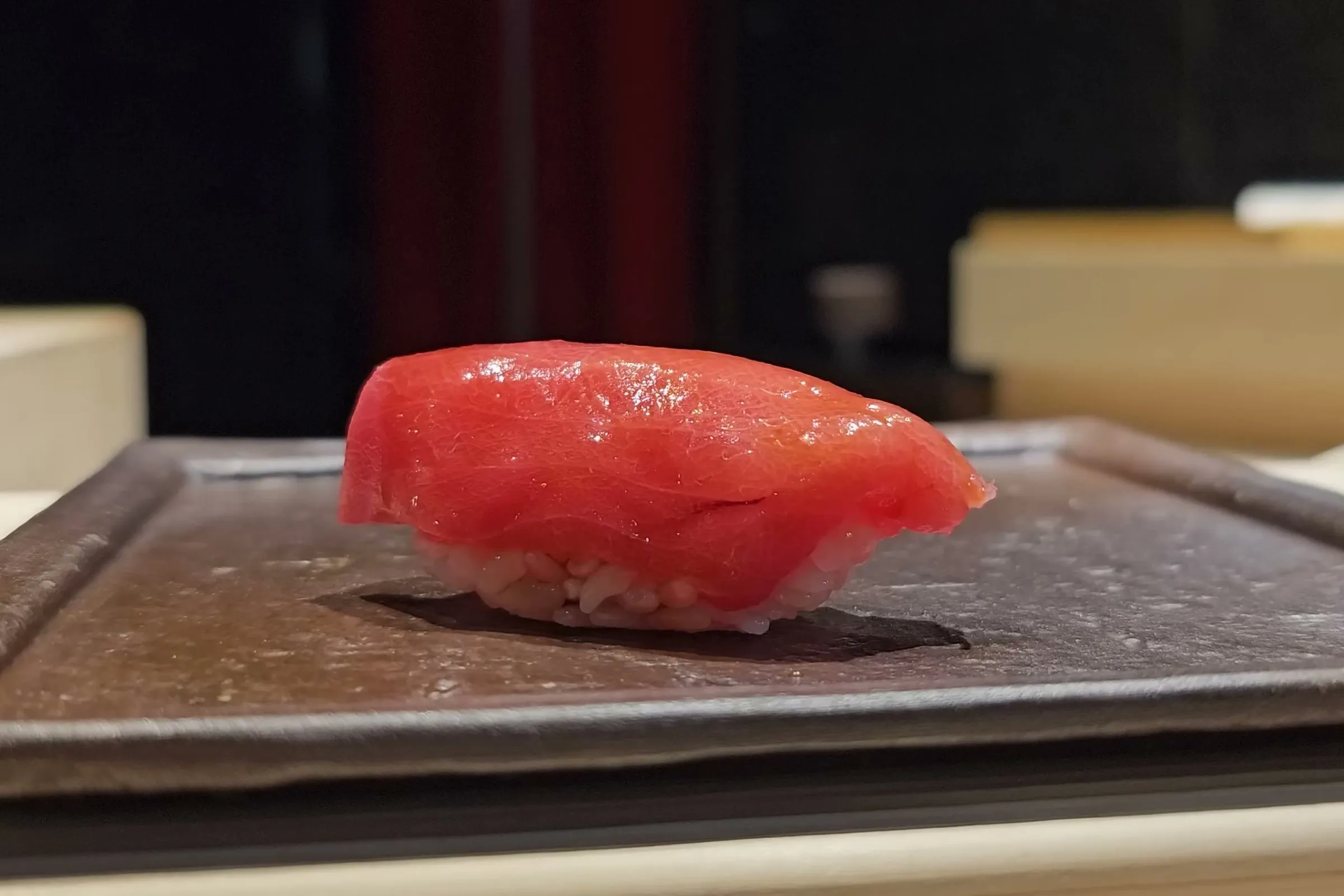
Nigiri start with tuna, chutoro first, the same order as the Sushi Ito days. Most Seoul counters aren’t strong on tuna, so I thought it was a weak opener. It was clean and good. Not Tokyo’s top counters, but a clear step up from the tuna I knew. I asked if he’d changed suppliers. No, he said, but he’s noticed the color and the feel are different lately (2023/02).
The akami looked like mungtigi, Daegu’s fresh raw beef. Taste-wise the chutoro was best, and the wakaremi was the softest of the night, even if the meat itself didn’t stand out (2023/02).
Kasugo, baby sea bream, is something I usually don’t care for. Here I’ve had it two or three times and every time it was memorable, sweet and strong. It reminds me of Lee Seong-jun at Sushi Ren, whose kasugo and kohada I love because they never miss (2023/02).
The kohada test, with me as the lab rat
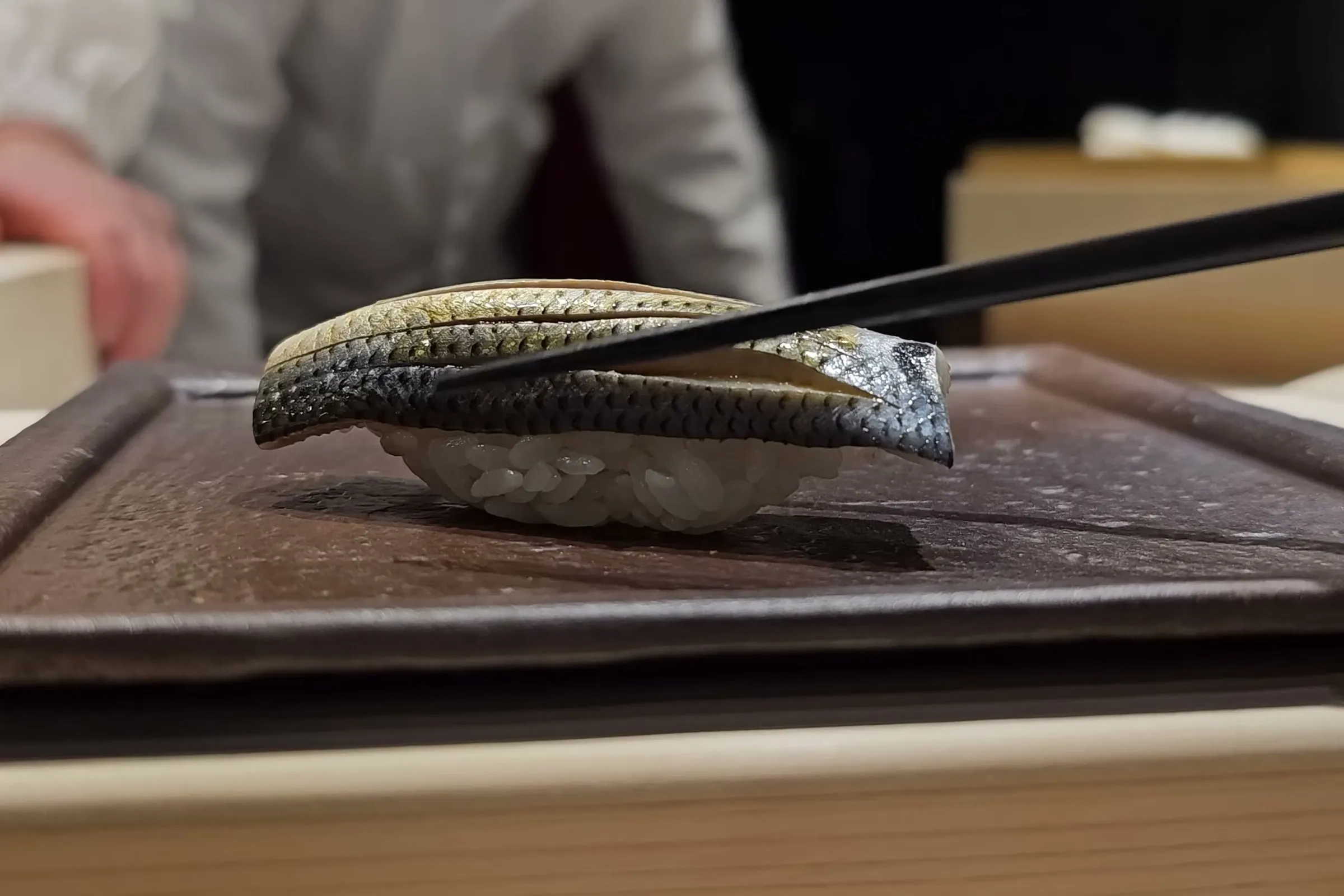
My seat wasn’t first in the serving order. He made the kohada, gizzard shad, and handed it to me first anyway. Eat it and tell me, he said. If you say it’s bad, I won’t serve it to the others. He knows how picky I am about kohada, so I was the human test subject.
Luckily, no, happily, it was great. The flesh was really thick, oily, a great texture. The same nuance as Lee Seong-jun’s at Sushi Ren. I waved at him to hurry up and serve the rest of the counter (2023/02).
Fugu shirako on rice, and a word about iri
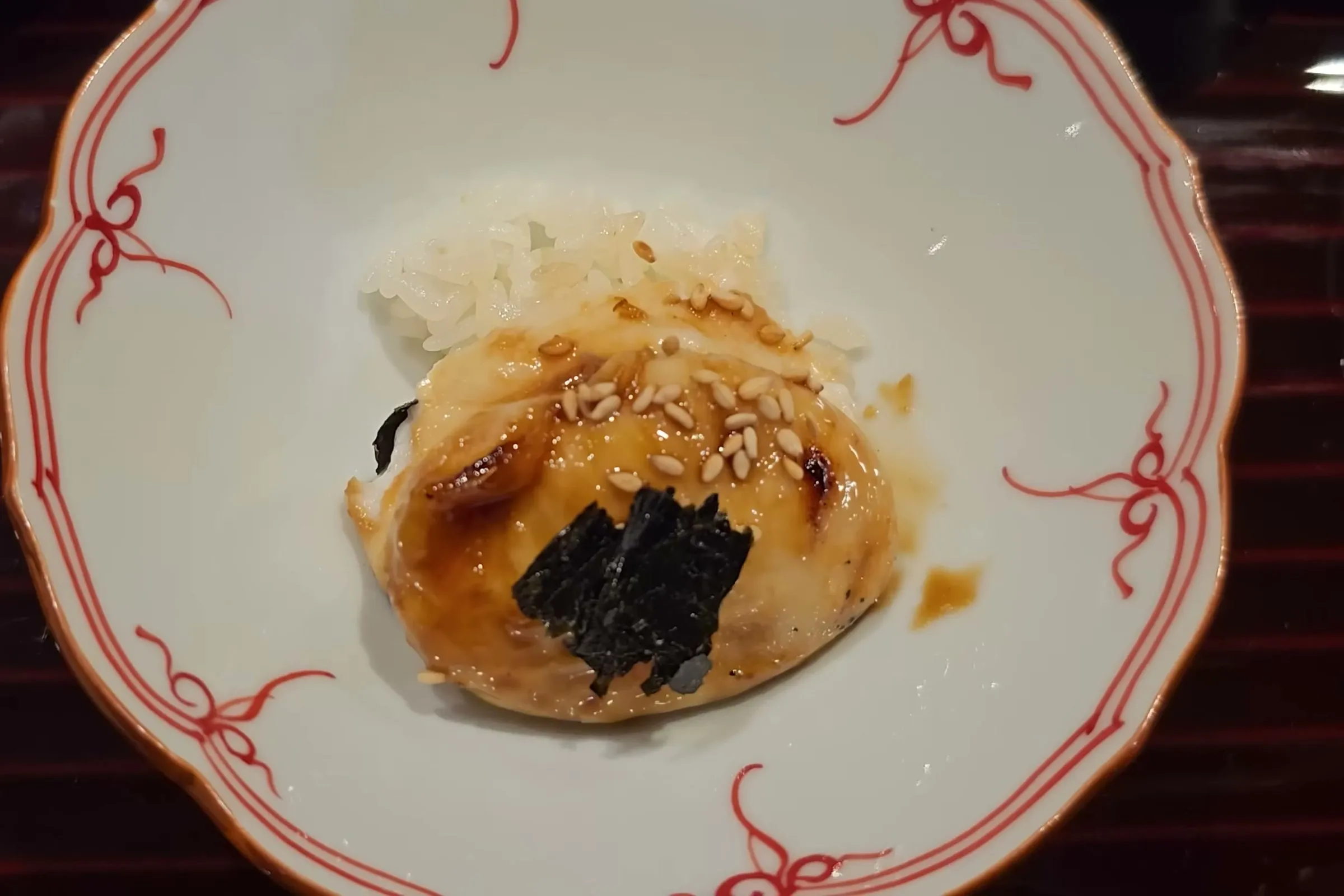
Kim and shirako mixed into rice go together. That one has roots at Sushi Namba too. This time it was fugu shirako on shari, with kuro-shichimi to sprinkle. I love that black shichimi: a strong sansho buzz and a little heat. It splits guests these days, so he serves it on the side instead of on top (2023/02).
TMI. I thought everyone had this straight by now, but I still hear chefs get it wrong. In Korean, iri is milt and goni is the roe sac. Shirako is iri. A lot of counters say shirako, then iri, and when a guest asks again they say goni. Maybe they just pick the word guests know. But they’re different things, and different sexes.
Shima-aji, usually an early piece elsewhere, came late. I don’t expect much from shima-aji, and the flesh wasn’t amazing, but there was no muddy smell and the surface texture was incredible. It pushes back against your teeth (2023/02).
Where it fell short
Worst of the night in 2023/02: shima-ebi. At Sugita it looks like sweet shrimp and tastes nuttier than sweet, and I usually enjoy it. This one had gone too far in kombu. Strong bitterness. I told him right away.
The uni looked good, and with the higher price Sushi Handa clearly buys more high-end uni than in the Sushi Ito days. The first bite was clean and bright, and then an off note lingered. The tai came late and tasted thin. It isn’t bad, it’s faint, and after all the strong pieces it felt fainter. I’d have cut it (2023/02).
In 2026/07 the neta dipped. The sawara nigiri was a shape and flavor I’d never had and still tasted a bit vague. The shima-aji had a farmed smell I hadn’t noticed in a while. The kawahagi with its liver was salty enough from the soy, but the liver’s nuttiness and the fish’s sweetness were weaker than usual. Part of that is me: for about two years I’ve eaten sushi almost only in Japan.
Then the fried amadai came right on time, and the akami had real sweetness of its own. The course went up and down like the Korean stock market (2026/07).
Back home, and the goldfish is still there
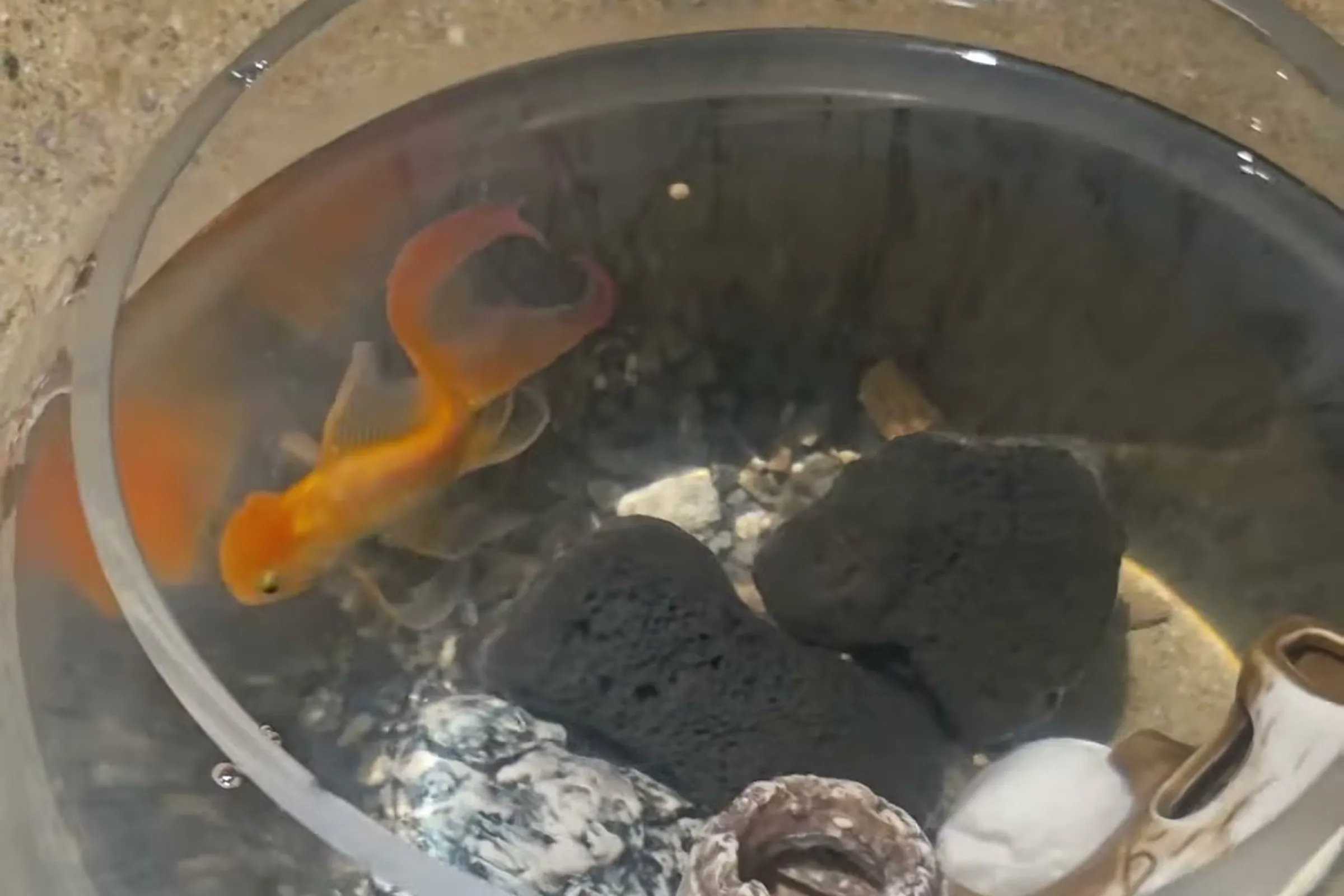
I call Sushi Handa my family home, and a bad son doesn’t visit home much. In 2026/07 I came back after a long gap, alone this time, and said hello to the elder first: the goldfish.
I always greet it. Do goldfish live this long? I finally asked if it was the same one from opening day. It is. I’d assumed they quietly swapped in a new one every time one died. If it were a person it’d be starting elementary school soon (2026/07).
The monkfish liver canapé, ankimo with something sweet on top, was still the dish the strangers next to me liked most every time it came out. And the suma, a cousin of katsuo, was oily that night, two days after one I’d had elsewhere that was sharp and sour like summer katsuo (2026/07).
₩250,000 a person (2023/02)
2023/02 video
Dinner omakase was ₩250,000 a person, about US$200 (2023/02). I paid in cash during the meal so my friend couldn’t, which is why there’s no receipt.
In 2026/11 Naver Place listed lunch at ₩130,000, about US$100, and a visitor’s blog that month gave dinner at ₩250,000, about US$190. I don’t drink, so that’s my whole bill. Valet parking was ₩5,000 per the same blog (2026/11).
Would I go back?
It’s my family home. I’ll keep going back, even on nights when the fish dips, because the rice and the chef’s ideas carry it.
If you want a counter that does things nobody else in Seoul does, book it. If you want every piece to be Tokyo grade, check the night’s fish before you judge it.
How to book
How I booked
The chef called me about a month after opening, and I’ve been going back since (2023/02). In 2026/07 I went alone.
- CatchTable
Naver Place lists Sushi Handa (the Gangnam main branch) with the lunch course at ₩130,000 from 12:00, and a visitor’s blog from 2026/11 booked through CatchTable, with dinner at ₩250,000. The English version of the CatchTable app takes an email and a foreign credit card.
- Phone
0507-1434-5256 on Naver Place, and 010-9916-5253 on Google Maps (both 2026/11). Expect Korean on the line, so a hotel concierge helps.
Checked 2026/11. Booking rules change, so look at the official page before you go.
Where it is
- Address
- 3F, 52-5 Seolleung-ro 148-gil, Gangnam-gu, Seoul서울 강남구 선릉로148길 52-5 3층
- Nearest station
- Gangnam-gu Office (Suin-Bundang line), exit 4, about 730 m on foot
Plan the Seoul trip
The boring bits I’d sort before flying, so the eating days stay free.
- Hotels in Seoul*
Pick the room by where you eat, not by the sights. After a long dinner, a short ride back is the real luxury. This place is in Cheongdam-dong, Gangnam, Seoul.
- Korea eSIM*
Data as soon as you land at Incheon. Install it before the flight.
- AREX airport express*
Incheon to Seoul Station in under an hour, with no traffic to think about.
- T-money card*
One card for the subway, the buses and the convenience store. Tap on, tap off.
- Gwangjang Market street food tour*
Bindaetteok, mayak gimbap and yukhoe, with someone who knows which stall.
- Korean cooking class in a Bukchon hanok*
Cook a few home dishes in an old hanok, then sit down and eat them.
Links marked * are affiliate links. If you book through them I may earn a small commission, and you pay the same. How it works
More from this restaurant on the channel
- A bad son rarely goes home | Sushi Handa5:362026/07
More places I have eaten at
All of Seoul →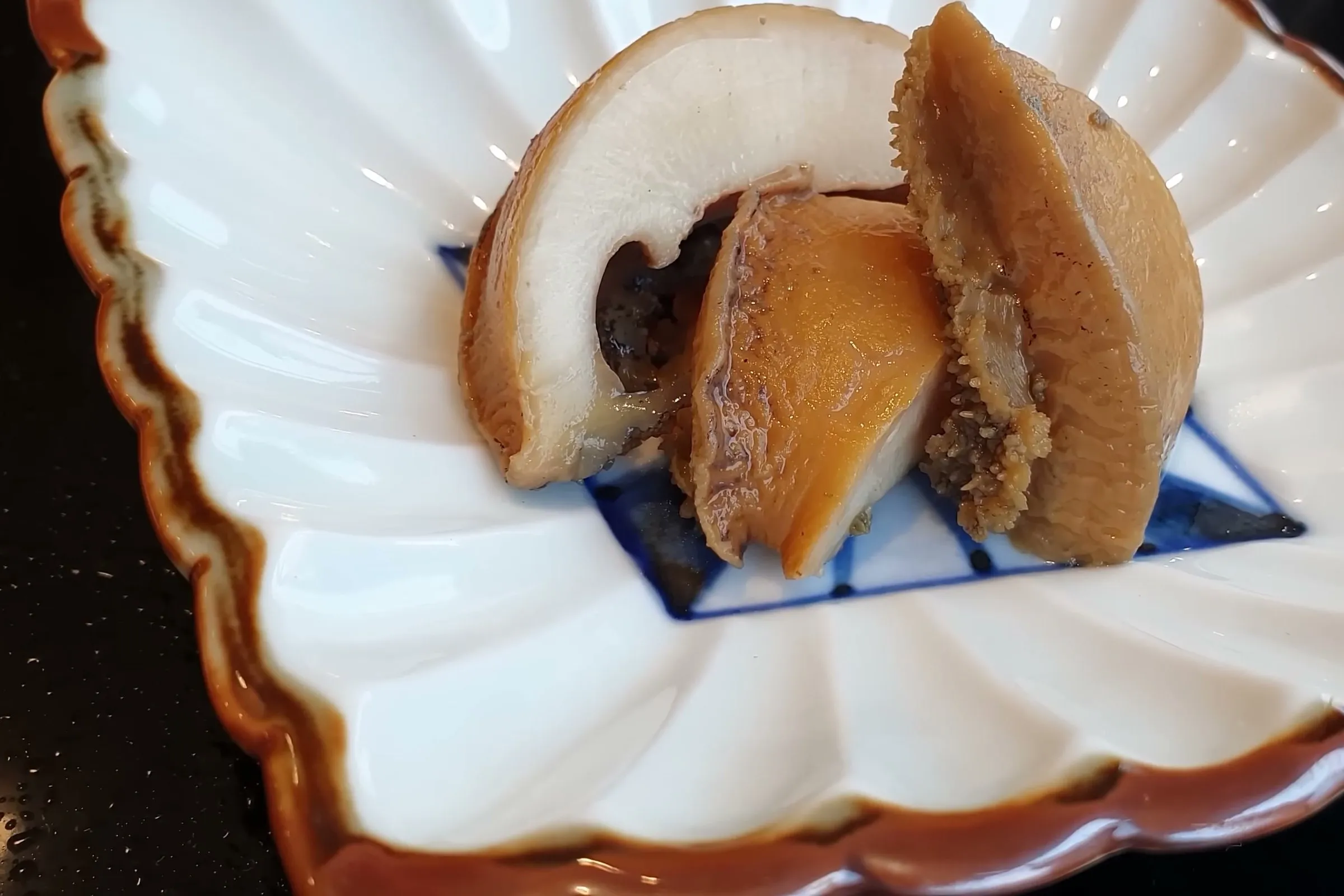 Cheongdam-dong, Gangnam, Seoul
Sushi Sumire
A Cheongdam counter where lunch beat dinner, and the chef left in 2021.
₩90,000 2019/12 video Apgujeong, by Dosan Park, Seoul
Sushi Shimizu
A classic Seoul sushi counter by Dosan Park, the chef back, and a price that hasn’t caught up.
₩220,000 2024/12 video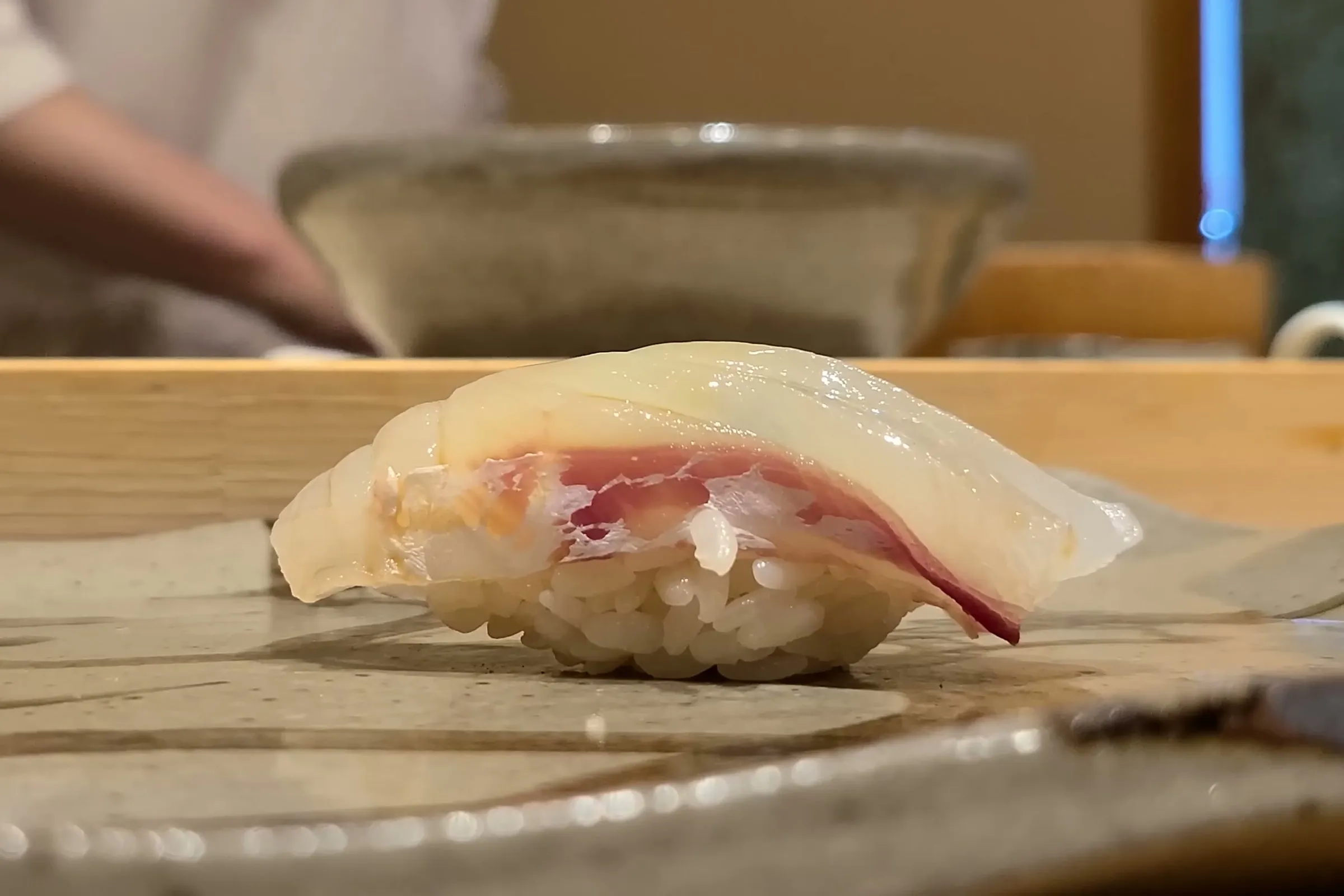 Jeongja-dong, Bundang (Seongnam), south of Seoul
Sushiya
Kohaku-vinegar rice at its peak, aji namero, and a mackerel I kissed.
₩160,000 2020/07 videoSources
- 스시한다 강남본점 Naver Place