One of Japan’s two hardest sushi bookings, and the chef remembered me
Sushi Meino (鮨 めい乃) is chef Kogo Mei’s eight-seat sushi counter on the sixth floor of a building in Azabu-Juban, Tokyo, and with Sushi Ikko in Ginza it’s one of the two hardest sushi bookings in Japan right now. Dinner came to ¥66,700 a person, about US$420 (2026/11), with no extras and no drinks. I only got in because a friend’s booking had a spare seat. Would I go back? For the tsumami, yes. The botan ebi, the terrine and a kabosu soy sauce I’d steal if I could. The nigiri is where it slips: the rice has almost no vinegar, and that’s a big deal for me. Opinions on Meino are split hard, and I land in the middle.
monster gourmetFrom my 2026/11 video
- My share
- ¥66,700
- about US$420, dinner omakase per person, no extras, no drinks, 2026/11 video
- Highlight
- The raw botan ebi, the tsumami, and the tuna
- Skip
- Expecting the old Sushi Arai rice
- Video
- 21:14
- 2026/11
- Booking
- One of the two hardest in Japan. Phone only, and I got a friend’s spare seat.
- Phone (Tabelog listing)
- Where
- Azabu-Juban, Tokyo
- Azabu-Juban (Toei Oedo and Tokyo Metro Namboku lines), 1 minute on foot
¥66,700 a head, about the same as Arai
Dinner at Sushi Meino came to ¥66,700 a person, about US$420 (2026/11). That’s one omakase course with nothing added, and I don’t drink, so it’s the whole bill. Funny enough, it’s about what Sushi Arai costs these days.
Tabelog puts the dinner budget at ¥50,000 to ¥59,999, and reviewers say ¥100,000 and up (checked 2026/11). The gap is the wine. Mei studied wine in France during her Arai years, she’s a sommelier, and the shop has about 2,000 bottles. I’d heard people call Meino expensive. My guess is that’s the wine, because the fish didn’t feel like the reason.
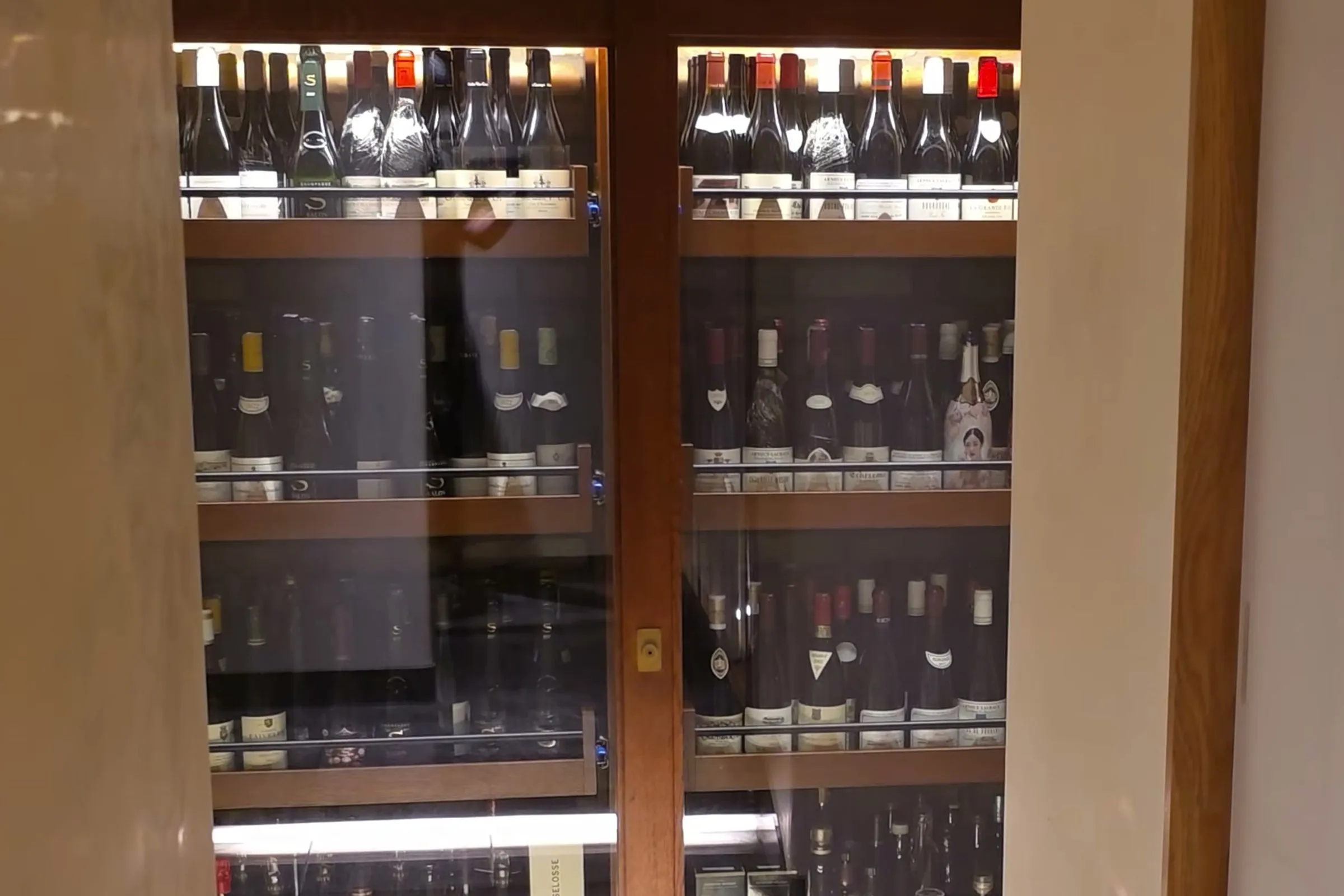
There’s a glass wine cellar in the room and a show plate at every seat, which you don’t see at a sushi counter much. A glass bear, the menu written out for the night, a little tray for your phone. It’s a small room and you can tell she fussed over every corner.
How to book Sushi Meino (you probably can’t)
If you asked me to name the hardest sushi bookings in Japan right now, I’d name two: Sushi Meino in Azabu-Juban and Sushi Ikko in Ginza. Ikko shot up the Tabelog sushi ranking fast. Meino sits lower in the ranking, but for getting a seat, both are at the top (2026/11).
When I checked Tabelog in 2026/11, Meino was reservation only, with a phone number listed: 03-6455-4130. Two seatings, 17:00 and 20:00, everyone starts together, so don’t be late. Closed Tuesdays and Wednesdays. Eight seats. Google Maps lists no phone and no website, and I found no online booking page.
How I got in: a friend had booked, couldn’t make it, and I took the seat. The other guests were Japanese people I didn’t know, also filling in. So I can’t tell you how to win a seat yourself. If you know someone who goes, ask them.
Chef Mei, from Sushi Sho to Sushi Arai
Everyone says Mei came from Sushi Arai, and she did. But she didn’t meet Arai there. Arai used to work at Sushi Sho in Yotsuya, back when he was the number two at that counter, and Mei was there too. She watched her senior, and when Arai went out on his own, she went with him. She opened Meino in 2023/11.
Kogo Mei went to Sophia University, then sushi school, then Sushi Sho, Taku in Nishi-Azabu, and Sushi Arai, where she was there from opening day and later ran the private counter. A year in France for wine in the middle of all that.
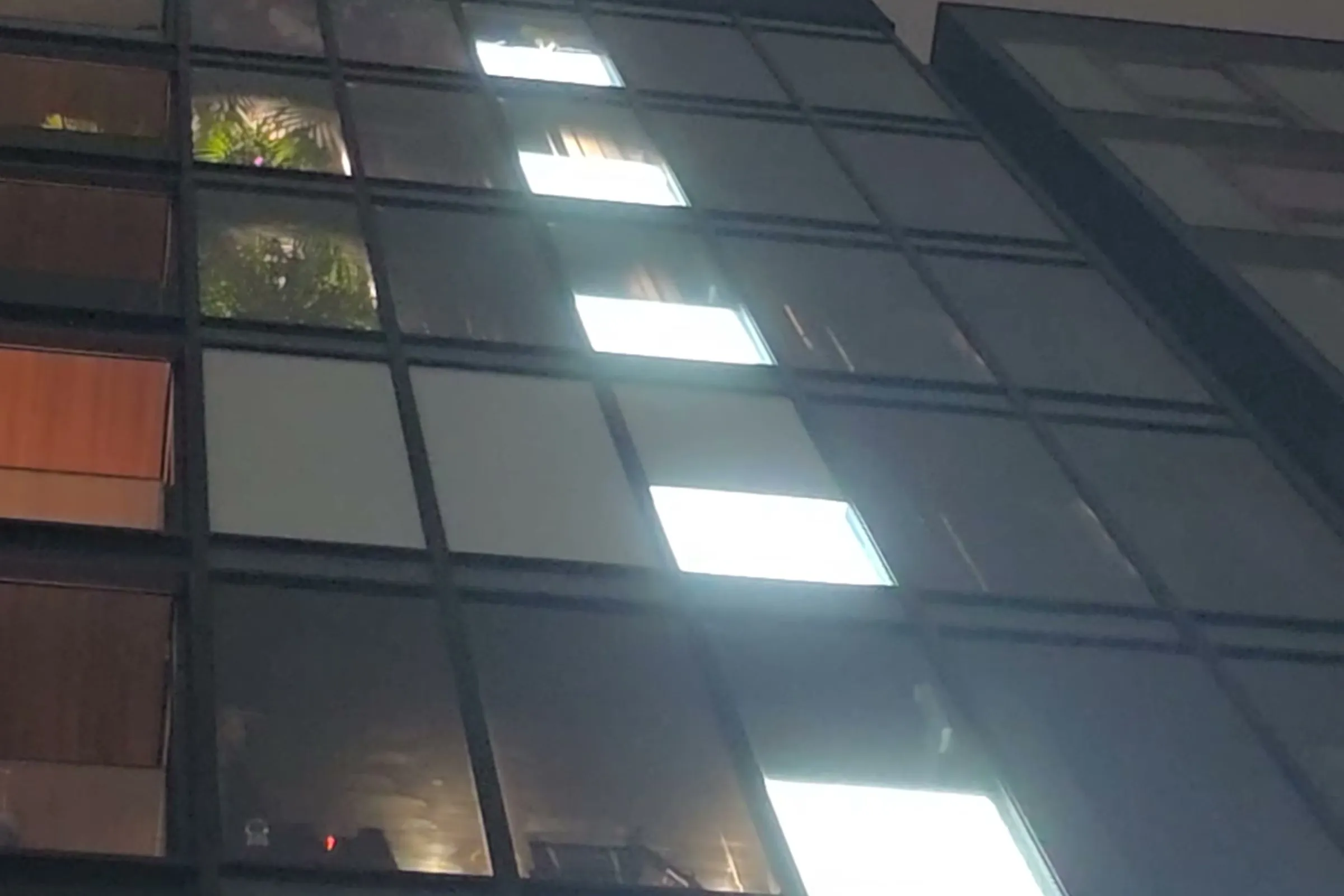
It’s on the sixth floor. Tokyo sushi counters live in basements, on the ground floor, or the second floor, third at most. Sixth is high. Both Meino and Ikko use those very cool Kurosaki knives, the ones I showed in my Ikko video.
The tsumami is the best part
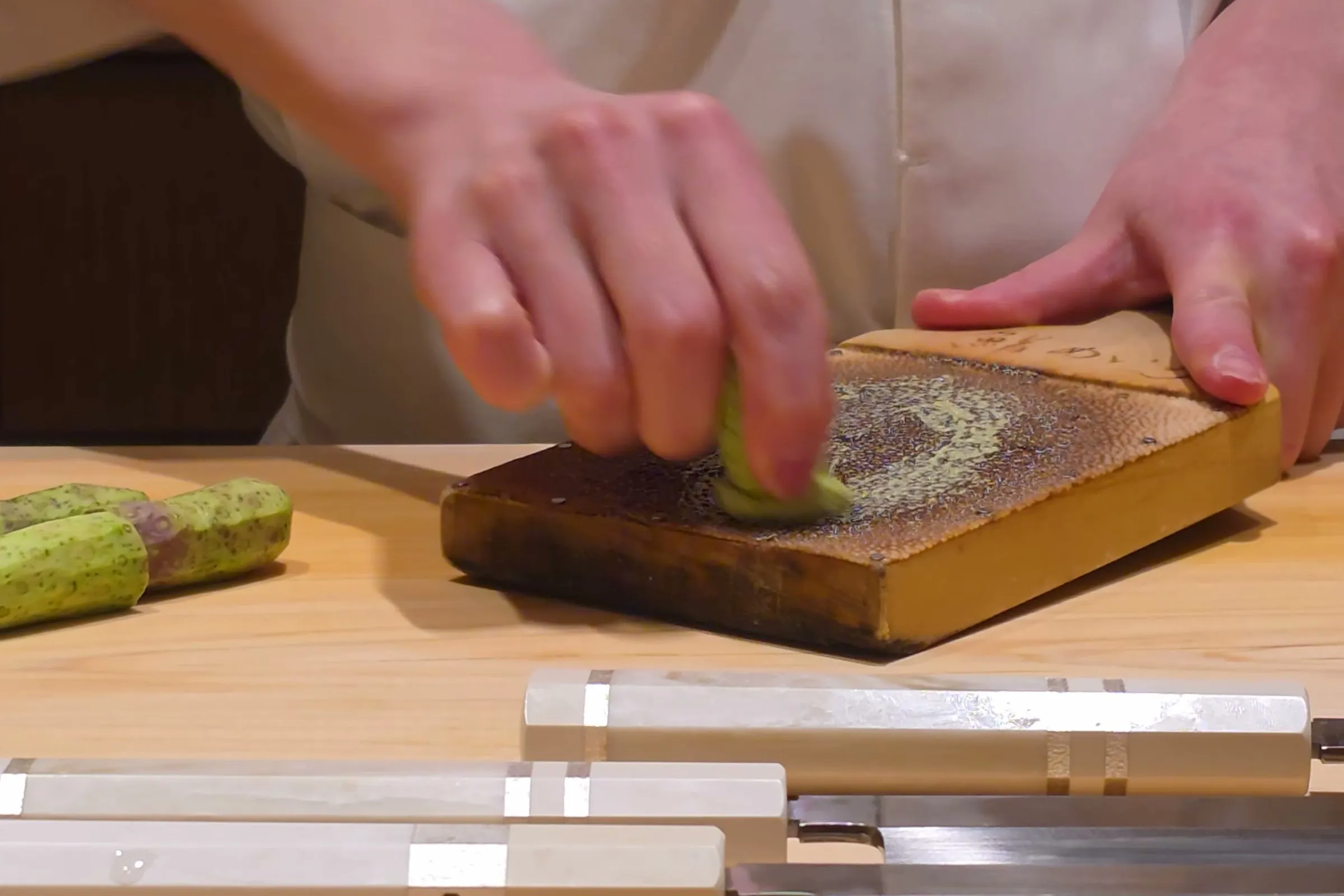
I thought a chef from Sushi Arai would cook something close to Arai. The tsumami course is its own thing. First up, a fresh spring roll of tuna, herbs, orange and yogurt. Creamy, and it tastes good on its own terms. It doesn’t feel like a sushi counter, and it doesn’t wreck the course either.
Then the terrine, her signature with the spring roll. Mei likes vegetables, and you can see it. Tomato, grilled eggplant, mountain yam and shiso inside, cucumber wrapped around it, hokkigai surf clam on top, and kohada down the middle. The hokkigai part was better than I expected. The trouble is it doesn’t hold together like a meat terrine, so you can’t cut a bite with chopsticks that has everything in it.
Matsutake, a thing I don’t usually like, was great. The mushroom wasn’t the point. The rice under it was. Good grains, and it suited the matsutake so well I thought she’d cooked a separate pot just for that dish, like a matsutake rice bowl. Remember when I said every matsutake dish this season was good? This is the one I was thinking of.
The classic tsumami were less fun. The octopus was plain, no red bean, no soy, the natural taste of the octopus and not much else. That was fine at Arai back when dinner there was ¥8,000 or ¥10,000. At this price you want more. The karei flounder sashimi had a nice sweetness, though, and I like white fish sashimi anyway.
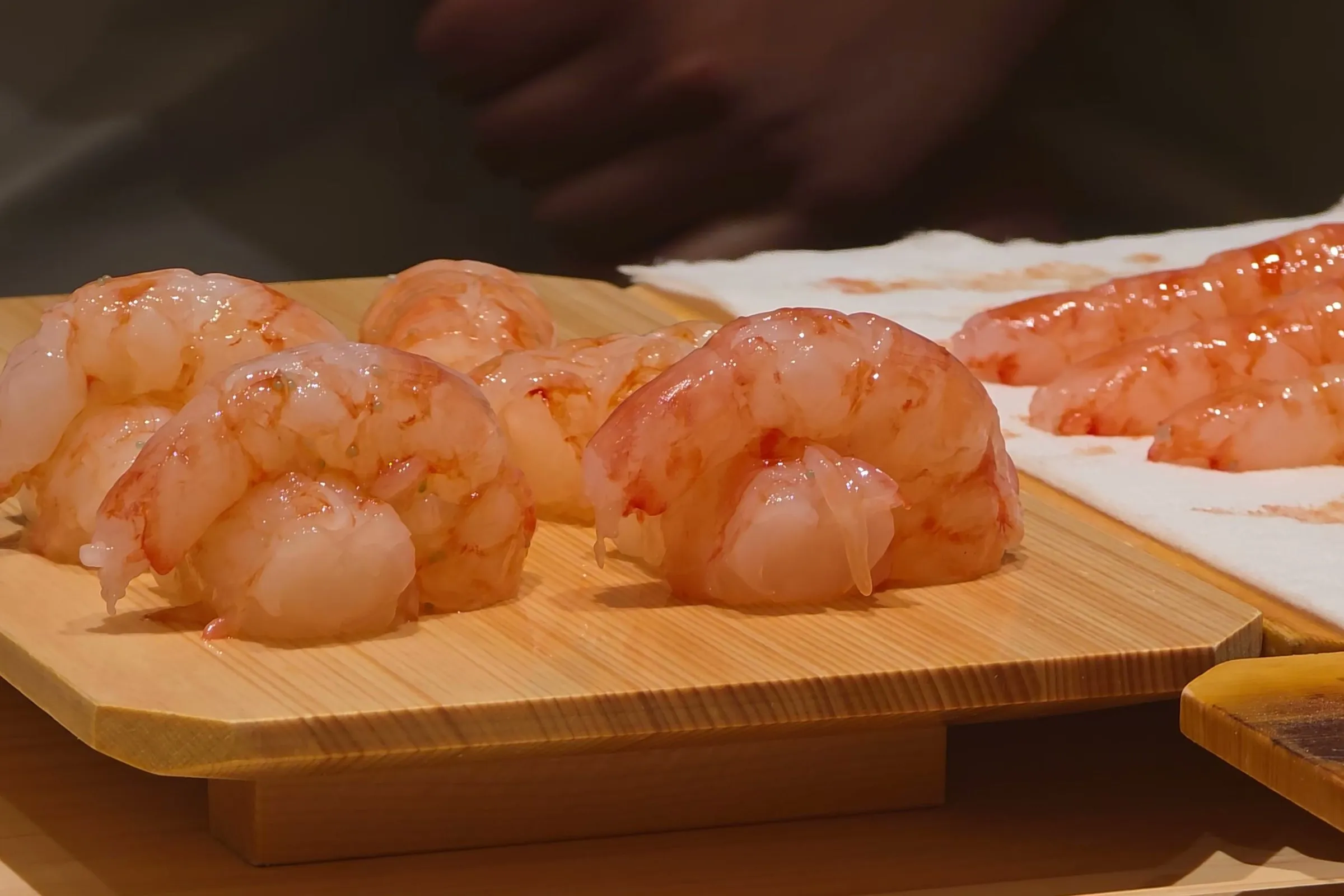
Raw botan ebi, straight out of old Sushi Arai
Then this. Nothing says Sushi Arai like it. Raw botan ebi isn’t special in itself, but the way it’s cut and served is old Sushi Arai exactly. Even someone who has no idea who Mei is would see it and think, she’s from Arai.
A huge botan ebi, raw, in big chunks. I hadn’t had it like that in a while. Sweet, no messy aftertaste. Maybe the prawn that day was just very good, but I’d put it above the botan ebi I remember from Arai years ago. That’s a high bar. I’ve called Arai’s the best botan ebi I’ve had.
Lean katsuo, and a sauce I want to steal
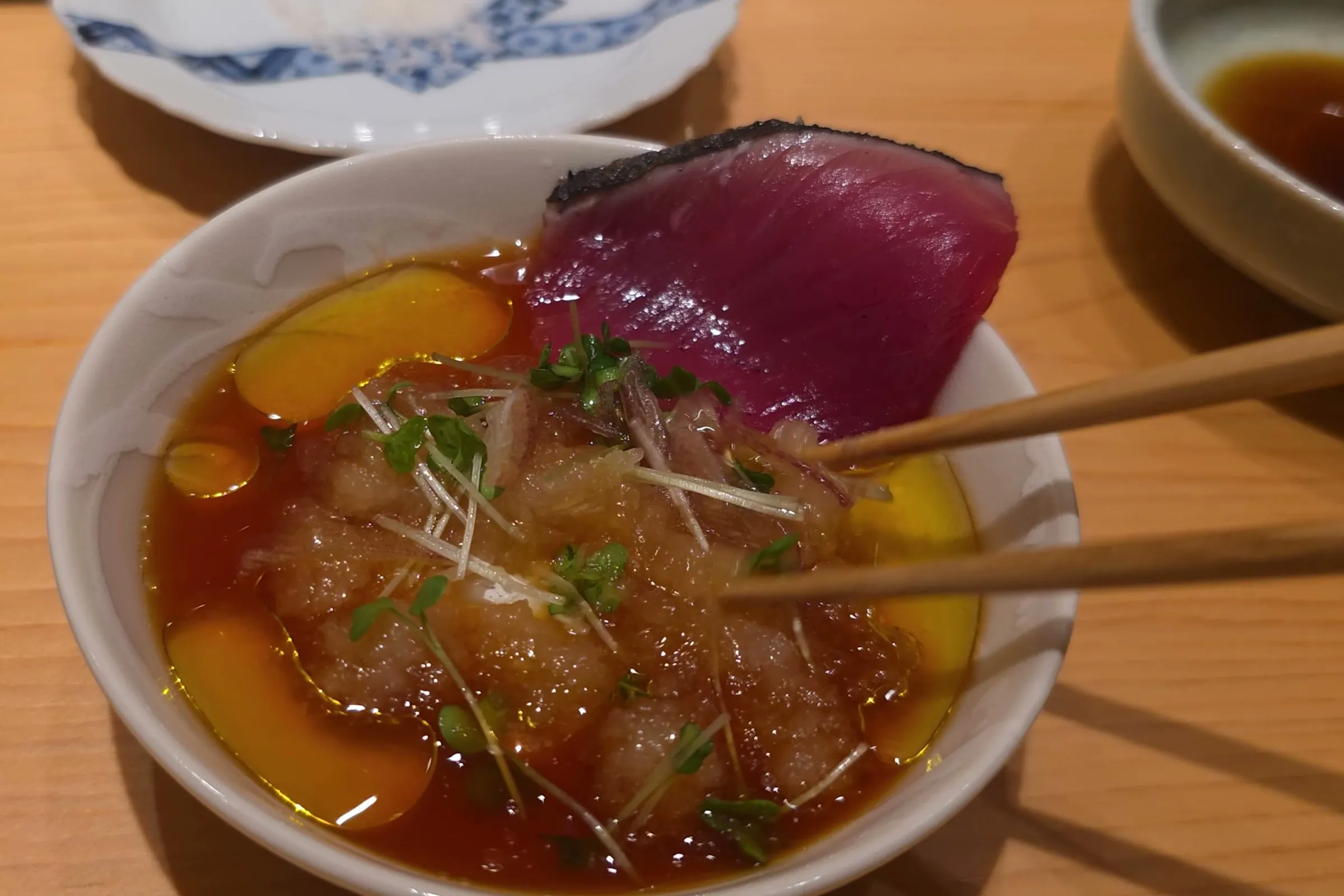
Katsuo, bonito, is one of my favorite things. This one looked too lean. Around then the autumn modori-gatsuo should be getting fatty, and this had almost no fat. I wasn’t sure it was modori at all.
But the katsuo wasn’t the point. The sauce was. They called it kabosu joyu: soy sauce with a lot of kabosu citrus juice, mixed with olive oil, with grated daikon and daikon sprouts. You should pile more on than they give you. It isn’t only good with katsuo. I think it would work on any fish like it.
Kohada three ways, and I lost every round
I’m not a kohada person. I’d started to think I’d come around, after eating great kohada at places like Sugita. Nope. Meino settled it for me.
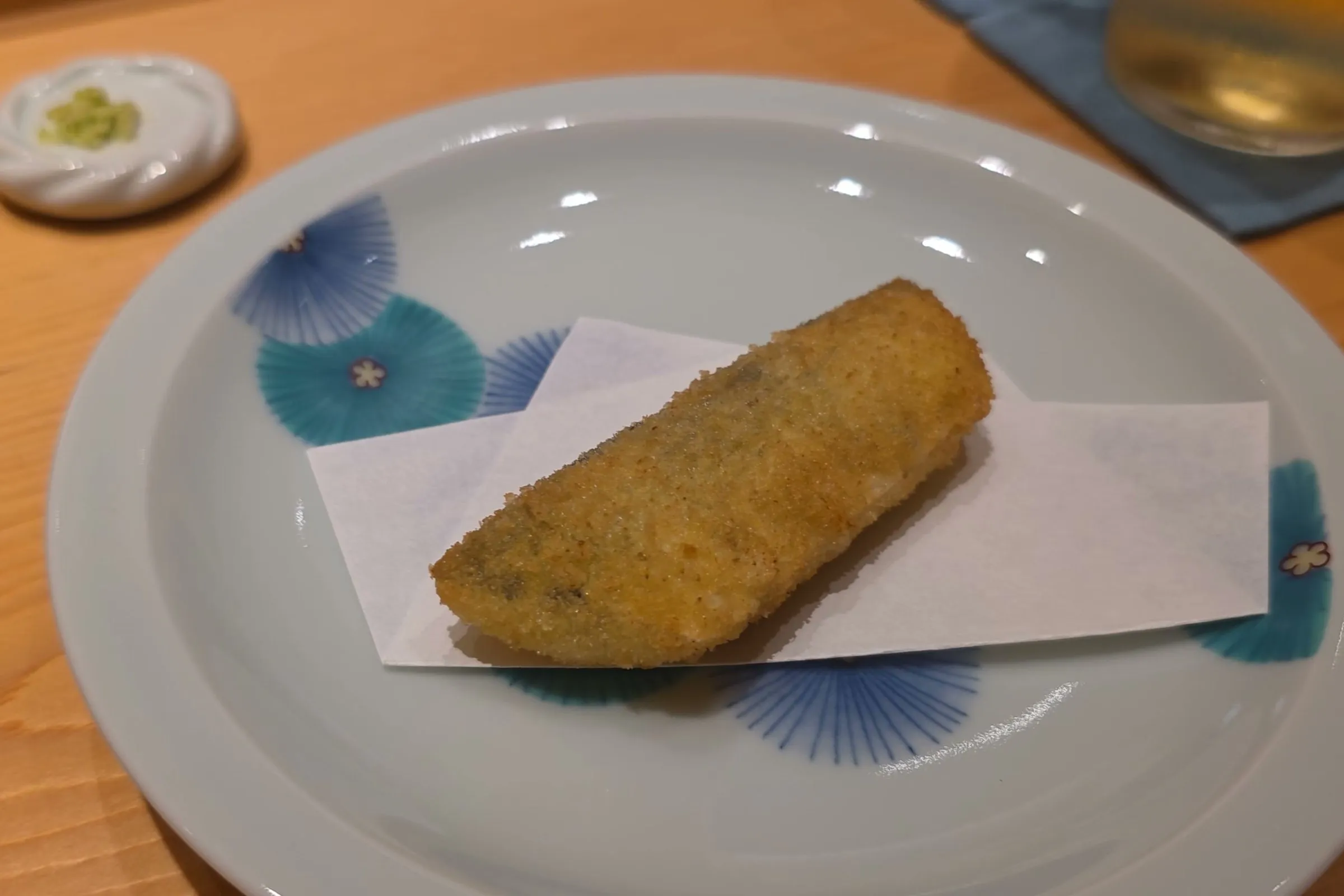
Round one was the terrine, with kohada down the middle. Round two: kohada fry. You know the aji fry that guys order at the izakaya in late-night food dramas? This is that with kohada instead of aji, and it seemed to be cured kohada, fried. With shiso inside and a homemade tartar sauce that’s mostly egg. Pile the tartar up like a mountain and it helps. People who love kohada will love it. I don’t.
Round three was the nigiri, and I was already scared. It isn’t that the kohada itself was worse than elsewhere. It’s the rice. With that little vinegar, cured kohada is hard going for me.
The rice has almost no vinegar
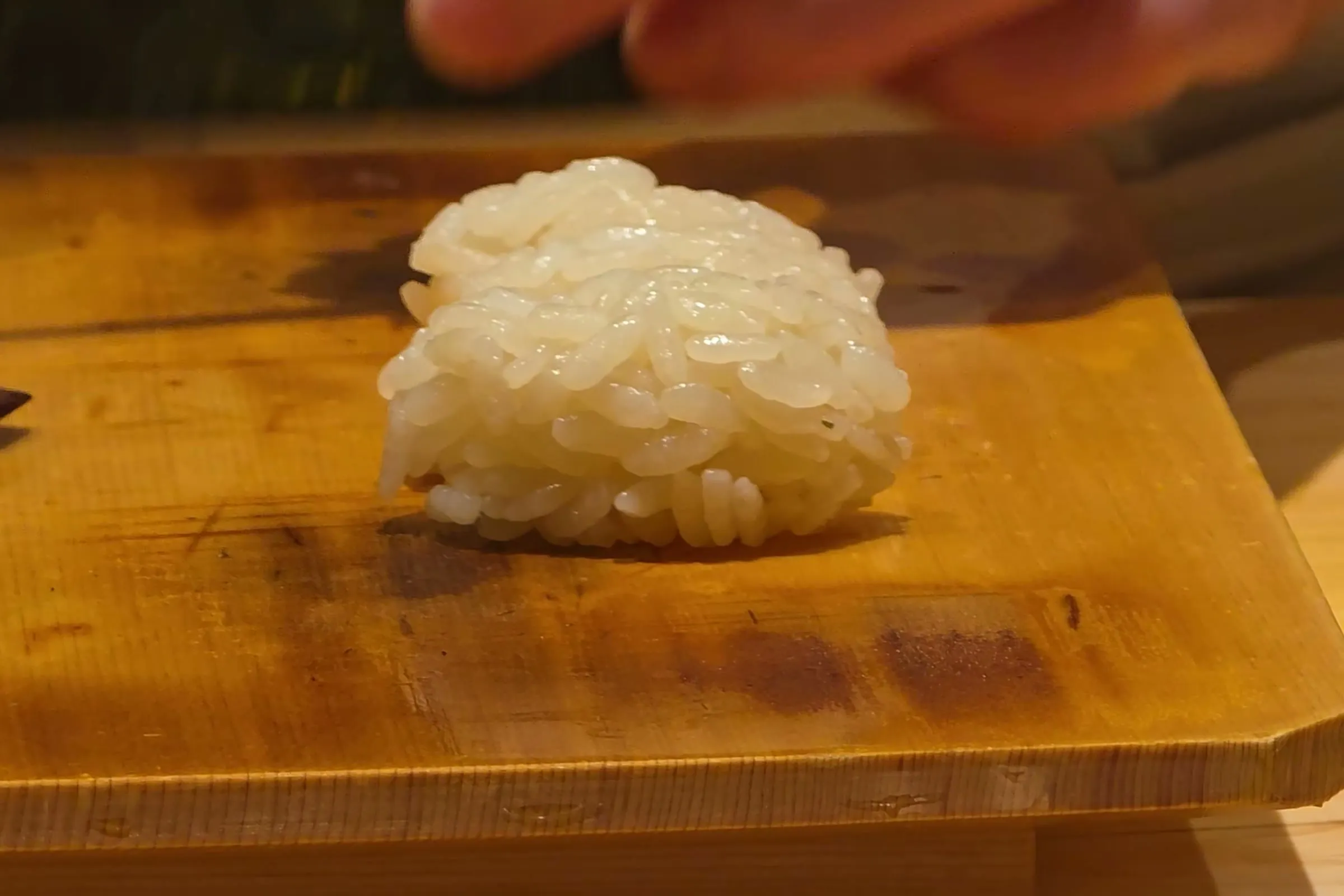
The nigiri opened with kawahagi, filefish with its liver tucked inside, and that’s a Sushi Sho touch. What I was really hoping for at Meino was the rice that used to blow me away at Sushi Arai, years ago. This wasn’t it, and it wasn’t my type.
The texture is my type. The grains are great. But it tastes like rice vinegar only, and not much of it. Almost no vinegar smell, only the salt comes through. Foodie friends abroad had told me Meino’s shari was mild. It’s milder than that. For sushi, that’s an awkward place to be.
Mei seems to know. The idea is carefully chosen rice, and you taste the rice itself and its sweetness. I’ve said it before: cooking can’t only be the natural taste of the ingredients. You have to make it into something new. If a sushi chef keeps talking about the ingredient, sushi turns into something you just assemble, and the chef into a fish distributor.
Counters that lead with rice vinegar, Ikko and Meino, are doing so well that it might become the trend. I’m against it. Here’s the twist: this rice is great with ikura, with tuna, and under the matsutake.
Ikura, and the rice finally makes sense
Shinika, baby cuttlefish, was still on in a season when it should be over. Nice to see, but it had grown a bit and lost that soft bite. They split it the usual way, top half as nigiri and the legs grilled. I’m a top-half guy. Raw is better.
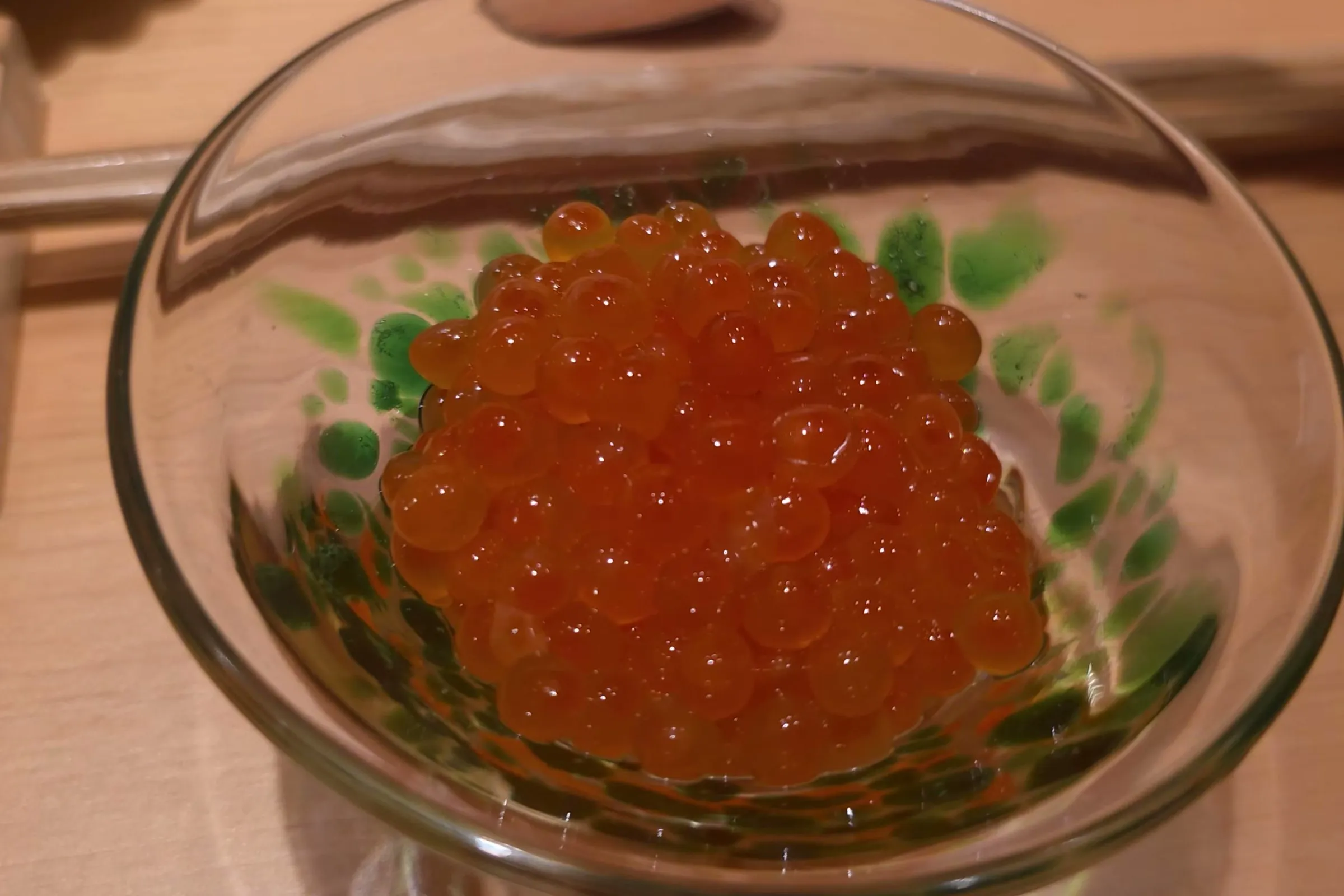
Then a spoon and a small glass of rice topped with ikura. Not my style of ikura, you can see it’s not the sticky kind. Wet ikura usually tastes strong of its marinade, too sweet and salty. This one was mild even there, with only a kelp dashi kind of savoriness on top. Light and nutty, which is my style. It’s a bit like Sushi In’s.
And the rice I was so let down by suits it. Sushi In’s rice is also more salt than vinegar, though Meino’s has far less vinegar than Sushi In’s. Maybe that’s why it works with ikura.
The tuna, and the Yamayuki story
Sushi Arai’s DNA means you expect the tuna. On a Japanese documentary show, Jonetsu Tairiku, the owner of Yamayuki, the biggest tuna wholesaler in Japan, said he’s a fan of Mei and gives her his best tuna. I’ve said it a few times: I take that with a lot of salt. So many famous counters say they use Yamayuki and get Yamayuki’s best. Read it as a floor, not a ceiling. With Yamayuki tuna, the tuna won’t be bad.
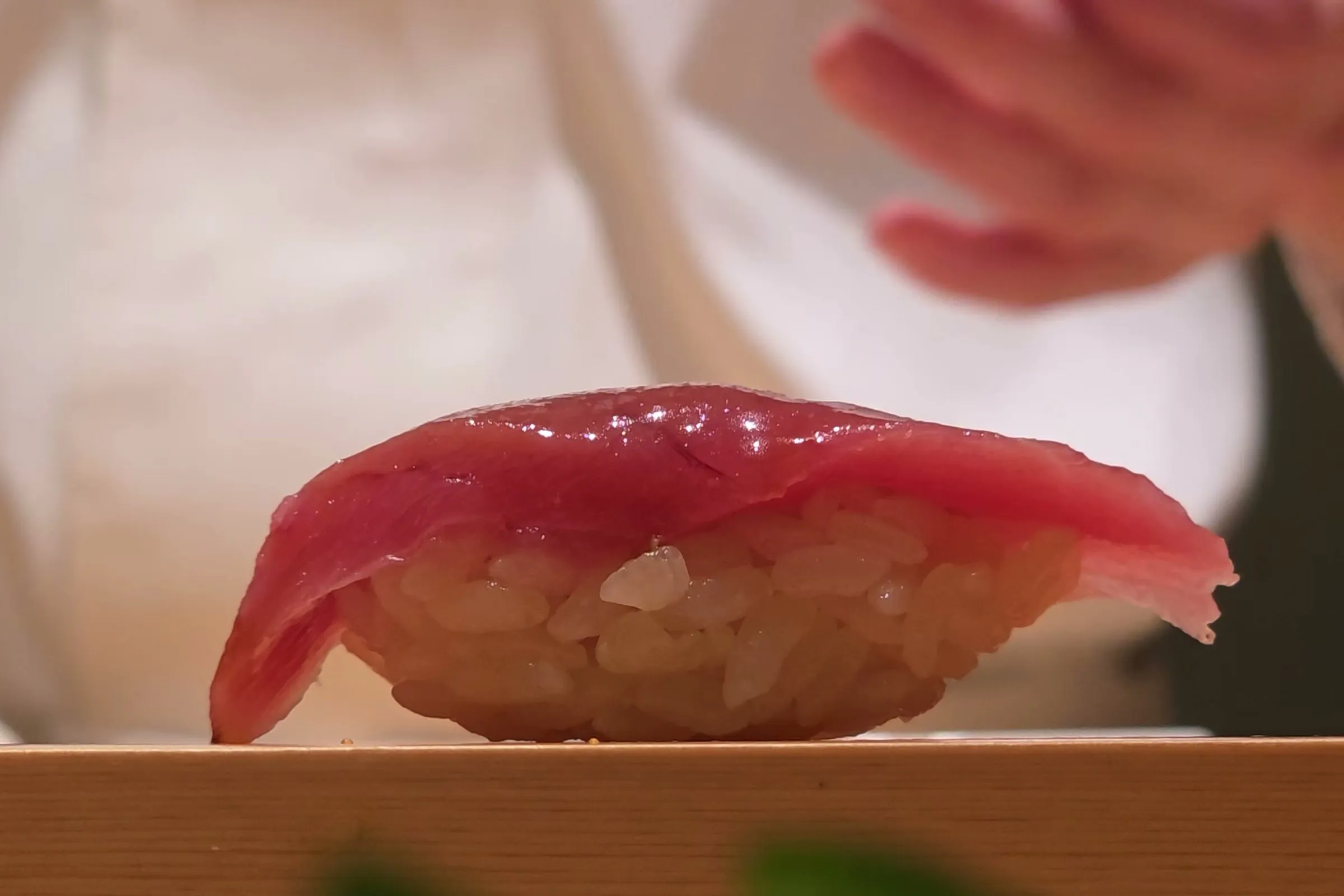
The first tuna was akami zuke, lean tuna marinated in soy, and it was better than I expected. It was a small fish. I told Mei I like small tuna best, around 70 kg in my experience, and she said, you too? Me too. She doesn’t like fatty things, which is why her tsumami lean on vegetables. Soft, the fat never gets in the way, clean. And the rice I just called a miss for sushi suits the tuna.
The negitoro came shaped like an ohagi, a rice ball wrapped round, which is Sushi Sho DNA again. Usually negitoro is my favorite tuna piece because I don’t love tuna. That night I liked the tuna as it was, so the negitoro didn’t stand out.
The nigiri, ranked against Ikko and Arai
Sushi as popular as Ikko, a chef who was number two at Sushi Arai, and a reputation for a big bill. I came in expecting serious neta. The grade of the fish is a step below Ikko’s, I think, and a little below Sushi Arai’s too.
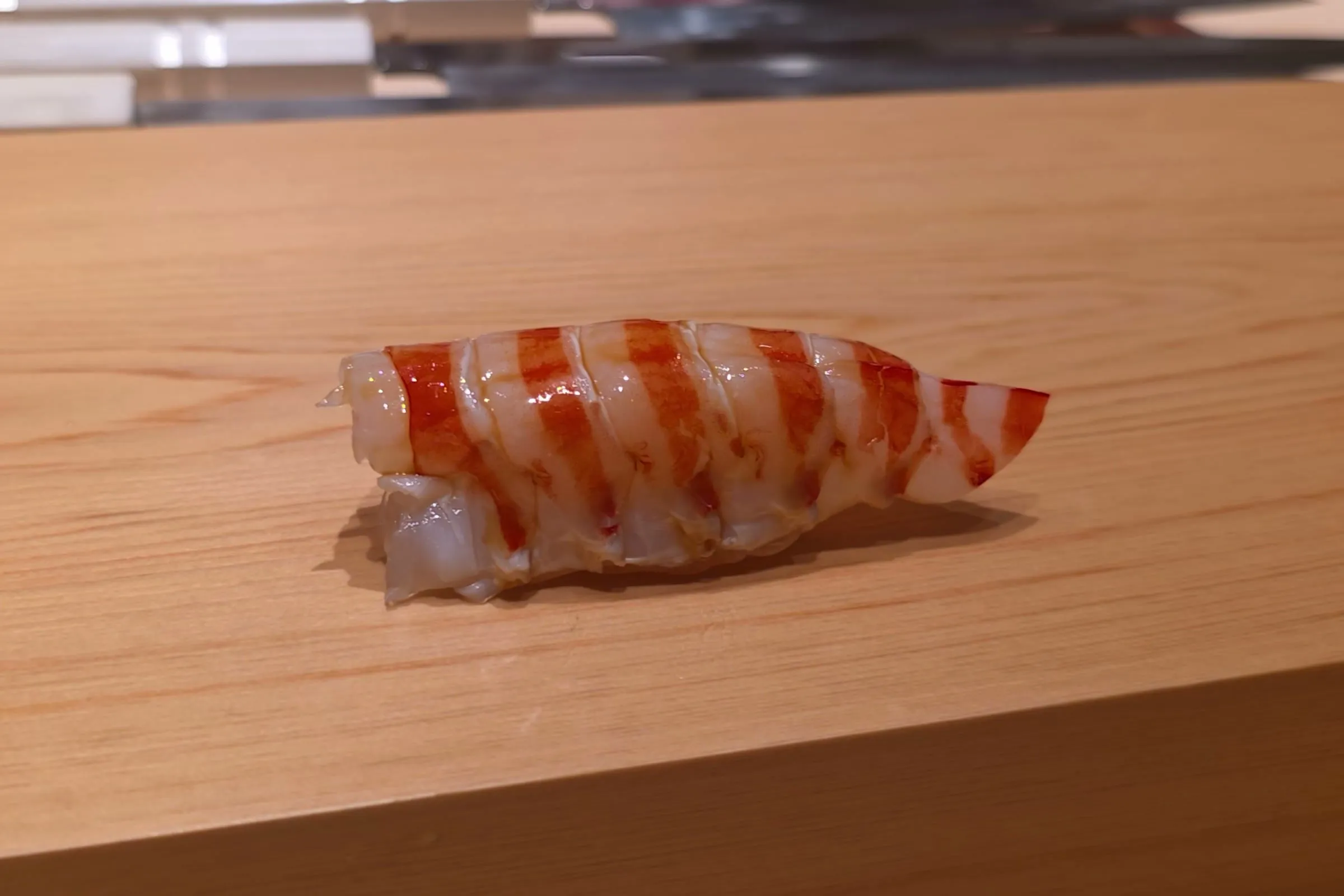
The kuruma ebi is cooked in a very particular way and opened out flat. Chewy, snappy, fun, all good, and a sauce made with prawn stock keeps the prawn taste alive, which an undercooked prawn usually loses. Me, I’d take a fully cooked kuruma ebi even if it goes a bit dry, for that nutty, sweet prawn meat. I can’t give that up.
Sanma, Pacific saury, as nigiri, while the katsuo was still lean and shinika was still around. Strange seasons lately. Sanma is my favorite of all the silver fish as nigiri: oily with a sharp, deep savoriness, and its season is short. This came grilled, with the guts on top, which add a bitter edge like sweetfish innards. Not bad, but grilled loses what I love about it.
Then the uni, which means the course is nearly done. The uni was good. The anago was good too. Portions are light, but you get a lot of nigiri.
Why opinions on Meino split, and “Gourmet Monster?”
Meino gets a lot of harsh reviews. Among my Japanese foodie friends and Japanese chefs, it splits hard. A few say it’s on another level. The bigger side says it’s the worst. Japanese people don’t usually say things that bluntly, so that’s rare. Me, I’d answer both sides the same way: it’s not that bad. And when I look at how hard the booking is, I think that even more.
After dinner the other guests asked for my Instagram, and Mei heard it. “Gourmet Monster?” She stared at my face for a while, then said, oh, I remember you. Back when I went to Sushi Arai all the time, Mei and Usui used to work behind Arai. She remembered.
¥66,700 a person, nothing added
2026/11 video
¥66,700 a person, about US$420 (2026/11). One omakase course, no extra pieces, and I didn’t drink. If you drink wine here, and Meino wants you to, plan for more. Tabelog reviewers put it at ¥100,000 and up.
Would I go back
For the tsumami and the botan ebi, yes, if a friend has a spare seat again. For the nigiri, not on its own. The rice is too mild for me, and the fish sits a little below Ikko’s and Arai’s.
It’s not as bad as the people who hate it say, and it’s not the other planet the fans describe. For a booking this hard, I expected more.
How to book
How I booked
A friend had booked, couldn’t come, and I took the seat. The rest of the table were Japanese guests I didn’t know, filling in too. I’ve never booked Meino myself.
- Phone (Tabelog listing)
Tabelog lists 03-6455-4130 and says reservation only (checked 2026/11). Two seatings, 17:00 and 20:00, all guests start together. Closed Tuesdays and Wednesdays. Eight seats. No perfume. Google Maps lists no phone or website, and I found no online booking page. Expect it to be full.
Checked 2026/11. Booking rules change, so look at the official page before you go.
Where it is
- Address
- 6F THE V-CITY Azabu-Juban PLACE, 1-6-1 Azabu-Juban, Minato-ku, Tokyo東京都港区麻布十番1-6-1 THE V-CITY 麻布十番 PLACE 6F
- Nearest station
- Azabu-Juban (Toei Oedo and Tokyo Metro Namboku lines), 1 minute on foot
Plan the Tokyo trip
The boring bits I’d sort before flying, so the eating days stay free.
- Hotels in Tokyo*
Pick the room by where you eat, not by the sights. After a long dinner, a short ride back is the real luxury. This place is in Azabu-Juban, Tokyo.
- Japan eSIM*
Data from the moment you land, no counter and no SIM swap. Set it up the night before.
- Keisei Skyliner from Narita*
Narita to Ueno in about 40 minutes. Buy it ahead and walk straight to the platform.
- Haneda airport limousine bus*
Landing at Haneda instead? The limousine bus drops you at the big hotels and stations with no transfers.
- Tsukiji Outer Market food tour*
A market morning with someone who knows which stalls are worth the line.
- Sushi-making class at Tsukiji*
Shape nigiri yourself once and the counter makes a lot more sense.
Links marked * are affiliate links. If you book through them I may earn a small commission, and you pay the same. How it works
More places I have eaten at
All of Tokyo →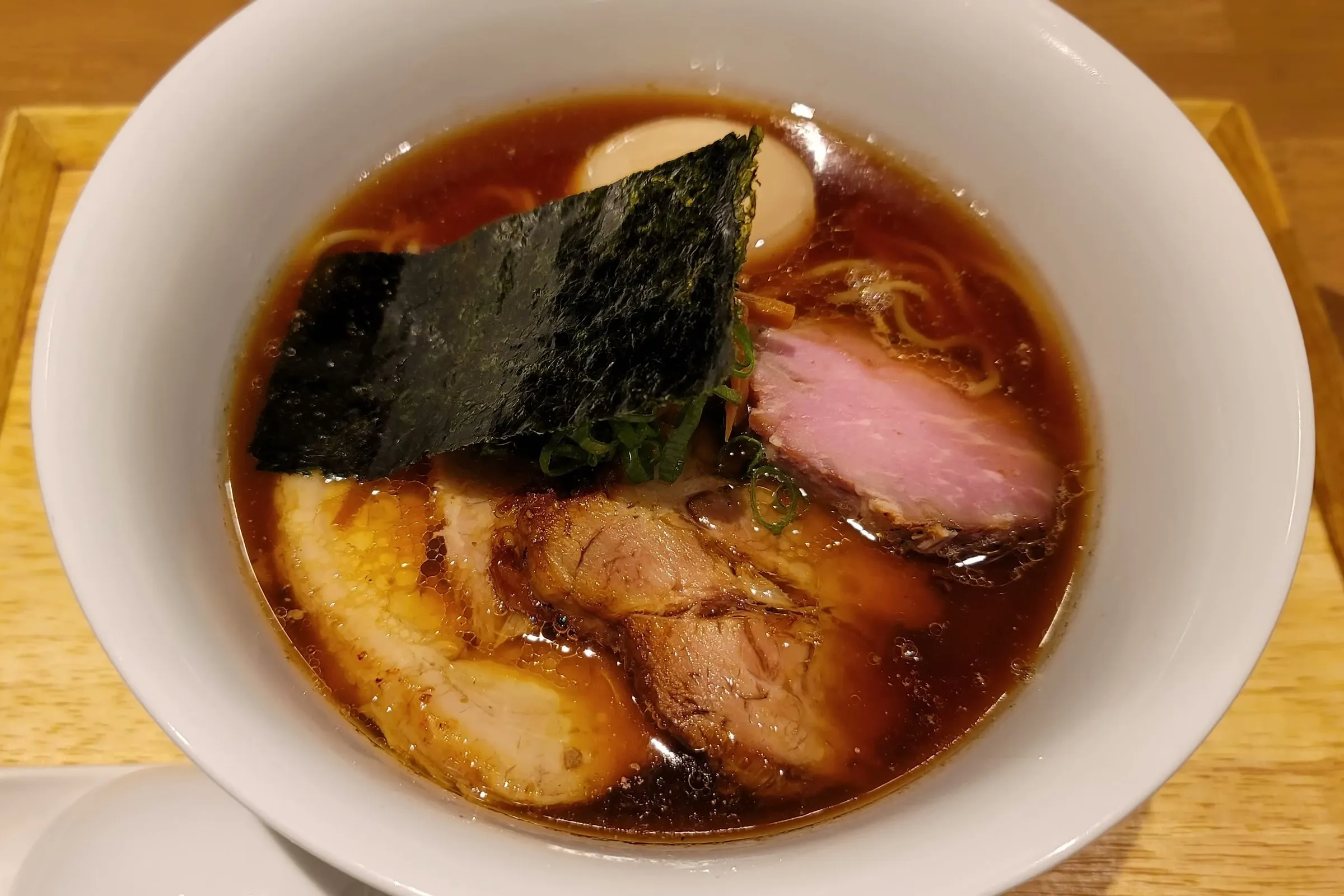 Honmachi, Shibuya (Nishi-Shinjuku side), Tokyo
Ramenya Shima
Tabelog’s top ramen, one chef, a slow line, a lot of salt.
¥1,700 2022/12 video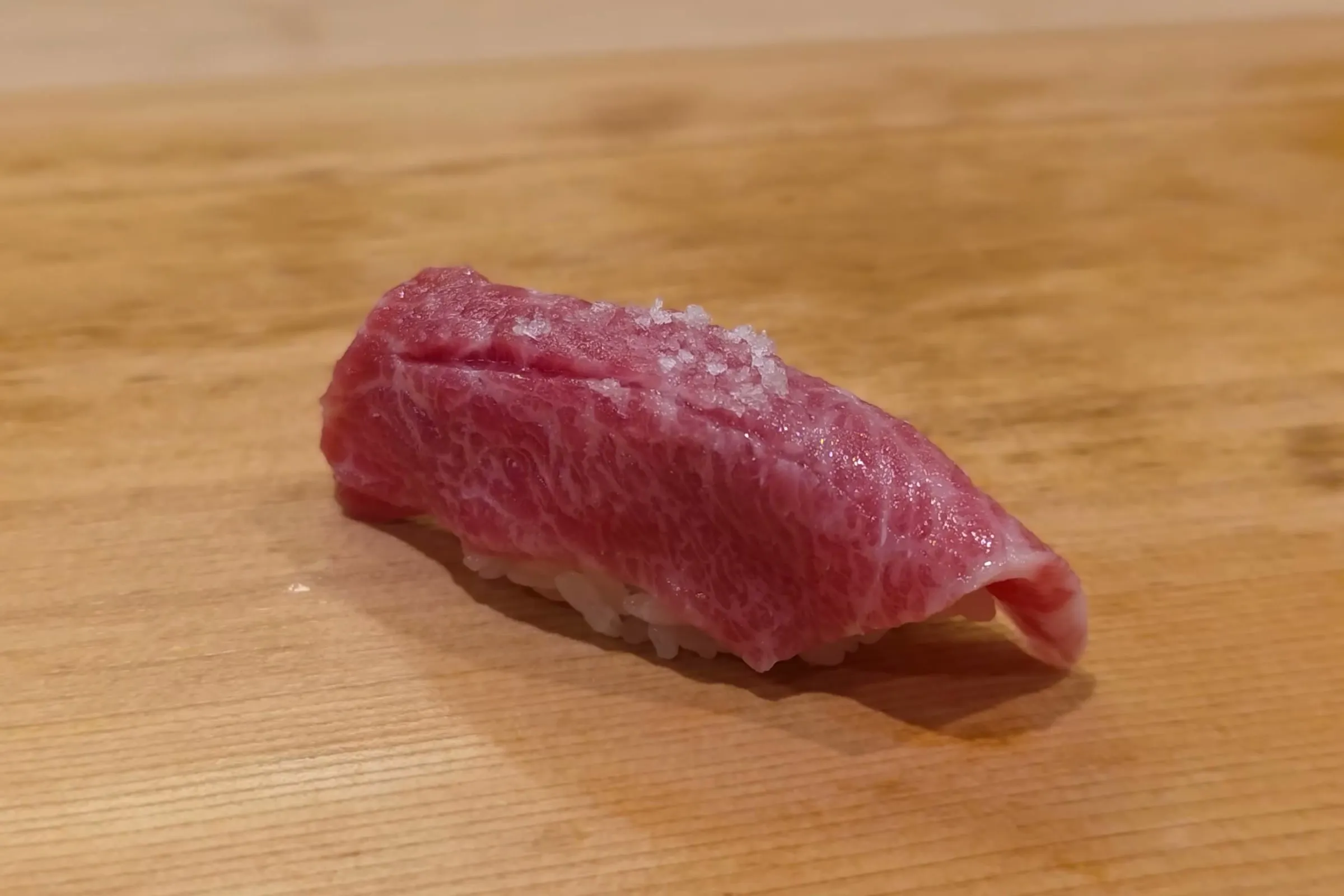 Gaienmae, Minami-Aoyama, Tokyo
Gaienmae Takemoto
Rice like old Arai by the end, ¥44,000 to find out.
¥44,000 2025/12 video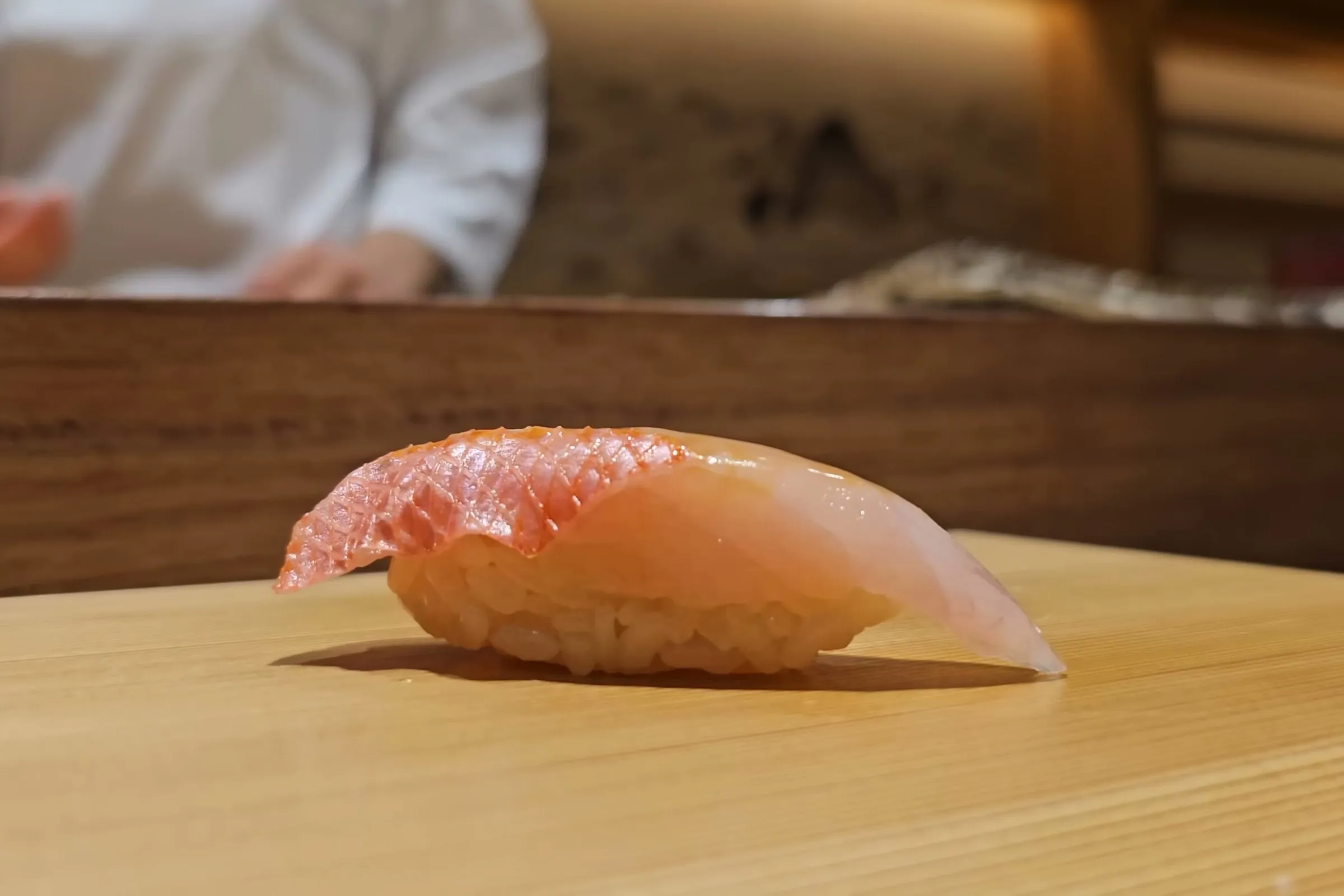 Kagurazaka, Tokyo
Hatou
The Ishikawa group’s sushi counter, a young chef, and a soup I’d fly back for.
≈ ¥42,350 2023/09 videoSources
- 鮨 めい乃 Tabelog
- Sushi Meino Tabelog
- 鮨 めい乃 Hitosara
- 幸後綿衣 (鮨 めい乃) Forbes JAPAN