Guide
Tokyo omakase for ¥20,000 or less, from seven counters I paid for
Cheap omakase in Tokyo can still be very good. These are seven sushi counters where my bill came to about ¥20,000 or less, from a ¥4,000 lunch with caviar on it to a ¥19,800 dinner with Oma bluefin. Sushi Komari in Akasaka is the one I’d book first, and it still listed ¥19,800 when I checked (2026/11). For each counter, what I paid and when, what it charges now, how to book, and whether I’d go back.
monster gourmetFrom 10 of my videos, 2019/08 to 2023/12
The short version
- Best under ¥20,000 right now is Sushi Komari in Akasaka. Dinner omakase with Oma bluefin and uni was ¥19,800 (about US$150, 2022/12), and Tabelog still listed it at ¥19,800 (2026/11).
- Ranmaru in Meguro was ¥6,000 at lunch (about US$60, 2020/04), about ¥8,300 with tea and my extras. Lunch is ¥15,000 plus 10% service now, referral-only, with Tabelog cancellation seats open to new guests (2026/11).
- Sushiya Shota in Azabu-Juban, the Korean chef’s counter, was ¥13,000 for dinner (about US$120, 2020/03). TableCheck lists ¥17,600 under a new chef (2026/11).
- Ginza Kyubey is the one you can walk into. ¥8,800 for the cheapest nigiri lunch and a drink (about US$60, 2023/10), and that lunch still listed at ¥8,250 (2026/11).
- Sushi Takeuchi in Daikanyama put caviar on a ¥4,000 lunch (about US$40, 2019/10). Still open, with lunch at ¥8,800 by phone and dinner at ¥19,800 (2026/11).
- Takagaki no Sushi was ¥9,000 and ¥11,000 at lunch (2019/08, 2020/01). Great fish, a 2020 Michelin star, rice I couldn’t get along with. I’m not going back.
- Sushi Miura was ¥17,000 (2019/08), then ¥25,000 (2023/12), then a Michelin star. Lunch is ¥24,000 now (2026/11), past the line and still worth it.
- Under ¥20,000 you give up steady rice, the best tuna and uni, and size. You don’t give up the fish.
The short list, with my bills
Seven Tokyo sushi counters where my bill came to about ¥20,000 a person or less, in the order I’d book them on a budget today. Every bill is one I said on camera, per person, with the month of the video beside it. I don’t drink, so drinks are mostly out.
Prices have moved since, some of them a lot, so each section below also says what the counter lists now, from pages I read in 2026/11. What the famous counters cost is in my price guide, linked below. These are the cheap end.
| Counter | Area | What I paid | Go back? |
|---|---|---|---|
| Sushi Komari | Akasaka | Dinner omakase ¥19,800 (2022/12) | Yes |
| Ranmaru | Shimomeguro, Meguro | Lunch ¥6,000, about ¥8,300 with tea and extras (2020/04). Dinner ¥22,400 (2019/10) | I followed its chef to Shimazu |
| Sushiya Shota | Azabu-Juban | Dinner course ¥13,000, about ¥18,000 with extras and service (2020/03) | New chef, so I’d start over |
| Ginza Kyubey | Ginza | Cheapest nigiri lunch and a drink, ¥8,800 with tax (2023/10) | When the bookings fall through |
| Sushi Takeuchi | Daikanyama | Lunch course ¥4,000, ¥4,320 with tax (2019/10) | Only in a pinch |
| Takagaki no Sushi | Nihonbashi | Lunch ¥9,000 with an uni extra (2019/08), ¥11,000 (2020/01) | No |
| Sushi Miura | Azabu-Juban, now Akasaka | Dinner ¥17,000 (2019/08), ¥25,000 in Akasaka (2023/12) | Yes |
Where this happenedGinza Kyubey→Takagaki no Sushi→Sushi Miura→Sushi Ranmaru→
Read nextWhat omakase costs in Tokyo now, from ten years of my own bills→
1. Sushi Komari, Oma tuna for ¥19,800
Sushi Komari is a small counter a short walk from Tameike-Sanno Station in Akasaka, and the dinner on this list I’d book first today. The manager found me on Instagram and sent a DM in English inviting me. In Korea I turn those down every time. In Tokyo I only had Sugita booked and time to kill, so I said yes, as long as I could say whatever I wanted. My seat was on the house, so I brought friends who live in Japan and paid for theirs.
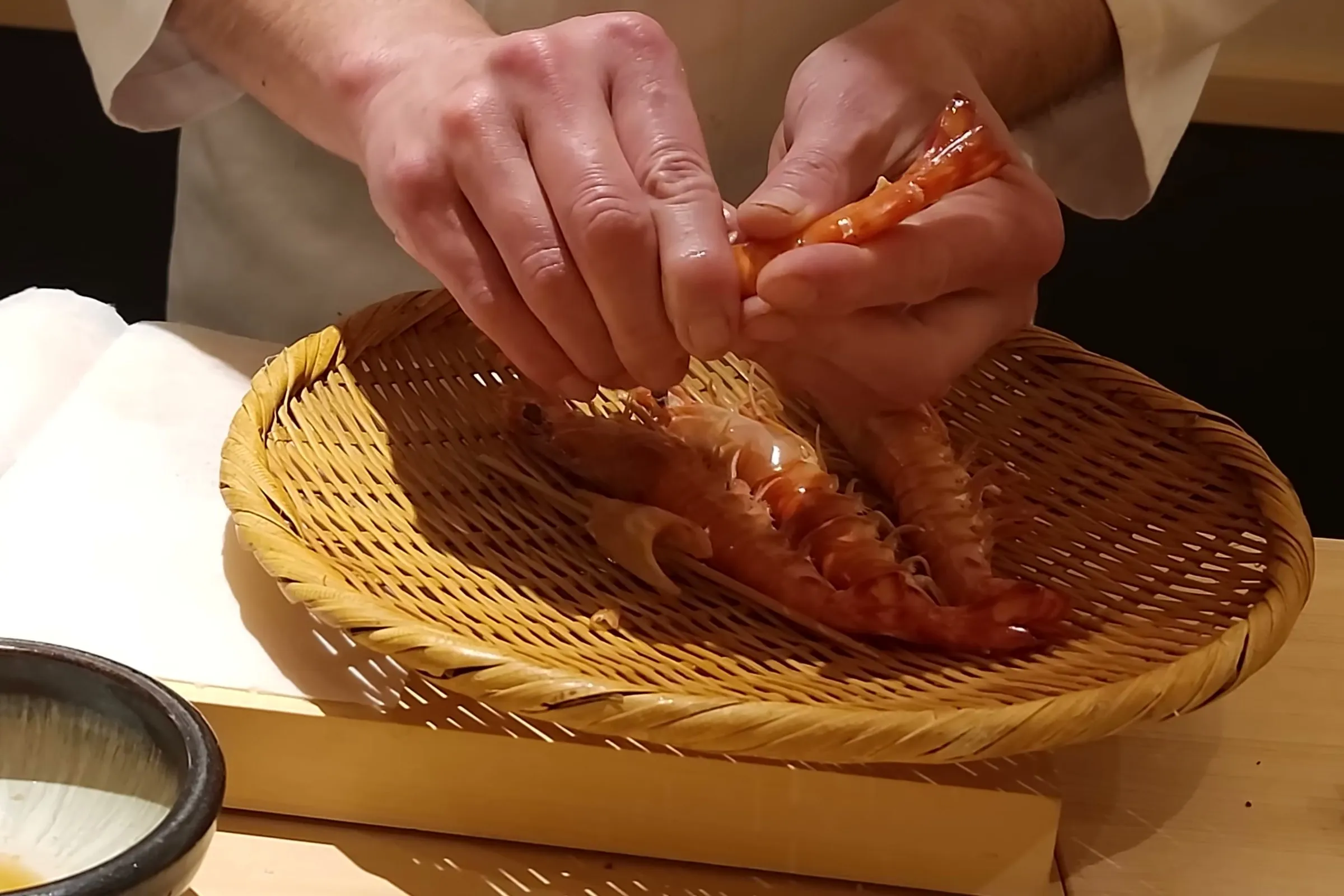
The chef is a fish otaku. As far as I could tell he never worked at a famous sushiya, but he’s been doing this a long time, and after dinner service he works at Toyosu market from 1 a.m. to 5 a.m. He naps between closing and the market. He picks every fish himself, so nobody can overcharge him, and ten prawns come in as ten good prawns, no dud in the box.
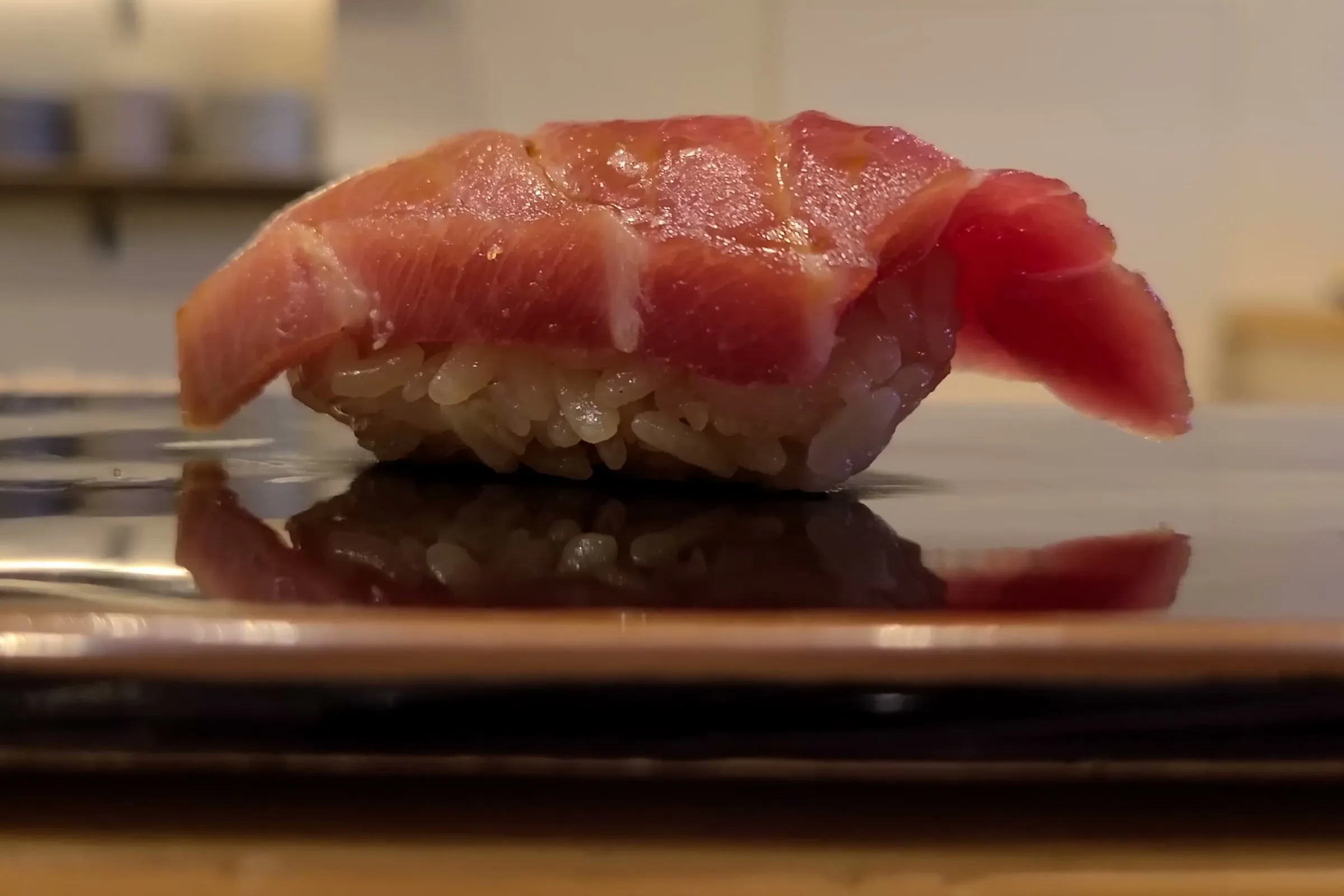
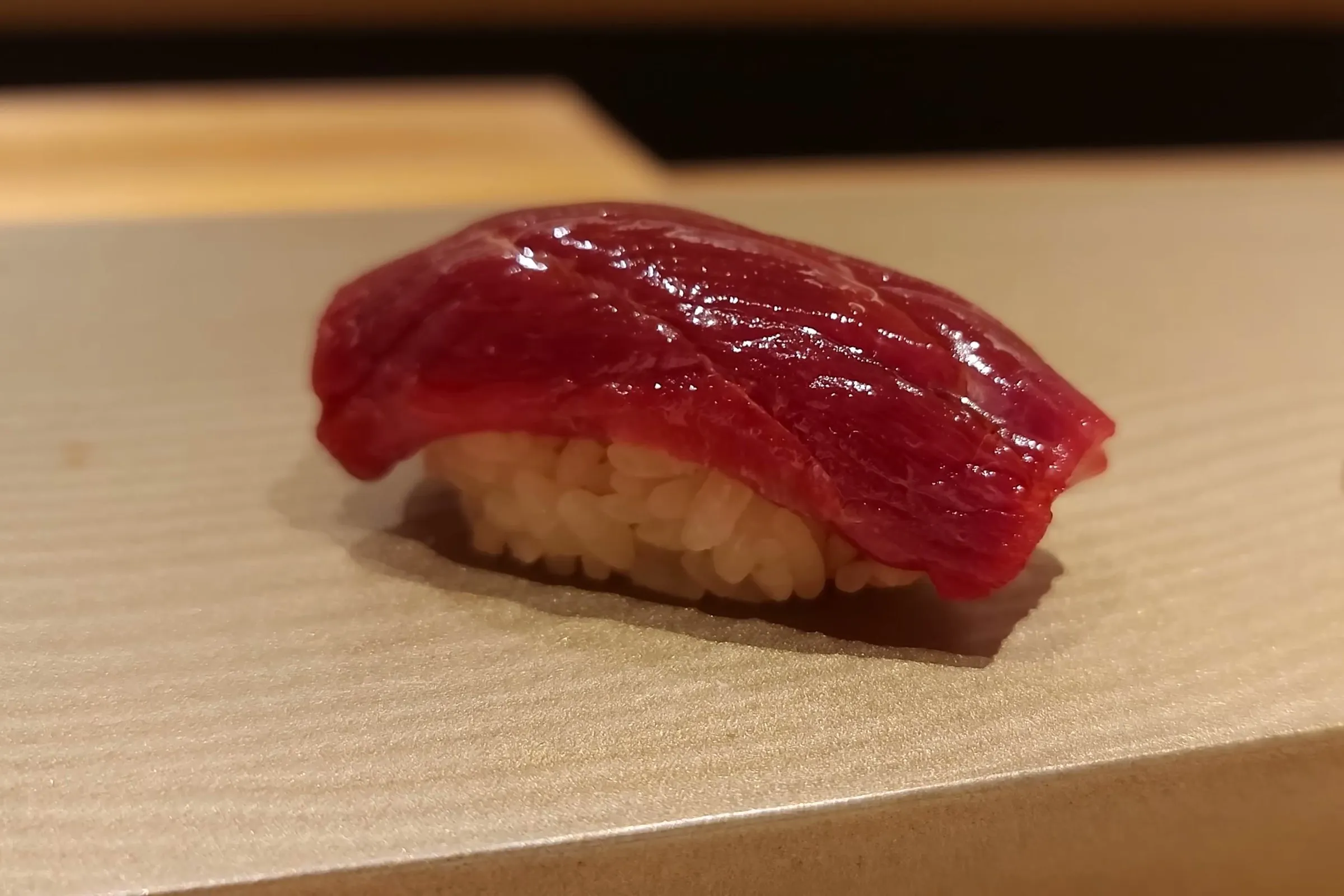
The rice passed on the surface, smooth the way I like, and on texture, a little firm. The red vinegar sits close to Sugita, with more aroma, somewhere between Arai and Sugita. It ran too cold, and the nigiri are small. The kuruma ebi was the best piece of the night. Its temperature and the rice’s worked together, and the prawn and the rice filled my mouth with one smell. The tuna was Oma bluefin through Hicho, so dark it was almost whale, with the iron taste I always describe as sucking on a coin and a clean finish.
The small plates were hit and miss. Hirasuzuki with rock salt wasn’t great, the cold cod milt left a fishy finish, kazunoko is salty unless you’re drinking, and akami wrapped in ham with grainy mustard tasted like exactly that. The buri belly, glazed yuan-yaki style, was the good one.
What I paid: the dinner omakase was ¥19,800 a person (about US$150, 2022/12). Lunch was two nigiri courses at ¥5,000 and ¥8,000, and that was the part I couldn’t believe. I said to fit at least one Komari lunch into a Tokyo trip. When I checked Tabelog (2026/11), the omakase was still ¥19,800, with a nigiri course at ¥16,500 and a lunch omakase at ¥19,800, tax in, booked online. The ¥5,000 and ¥8,000 lunches weren’t among the courses it showed.
2. Ranmaru, the ¥6,000 lunch that made me a regular
Ranmaru is a nine-seat counter in Shimomeguro, and in 2020 it was the sushiya I told everyone going to Tokyo to book. Dinner was ¥22,400 (about US$210, 2019/10), the night before a typhoon. Lunch was ¥6,000 (about US$60, 2020/04), about ¥8,300 with oolong tea and my extras, the day after Arai and Sugita, and it still held up.
The rice was the reason, and the nigiri were bigger than Shota’s. The saba was so fatty it glistened. Where the price showed was the tuna and the uni, with a cheaper uni at lunch. The chef behind that counter was Yukichika-san, who runs Shimazu now, and I followed him there. The whole story is in my booking guide.
When I checked Tabelog (2026/11), it listed a lunch omakase at ¥15,000, ¥18,000 for lunch made by the head chef, and his dinner omakase at ¥30,000, tax in, plus a 10% service charge. Tanabe Koki, who had run the shop as manager, took it over as owner in 2023/02. It’s referral-only now, but new guests can book the cancellation seats Tabelog shows. Closed Sundays and Mondays.
Where this happenedSushi Ranmaru→Sushi Shimazu→
Read nextHow to book omakase in Tokyo when every famous counter says full→
3. Sushiya Shota, the Korean chef’s ¥13,000 dinner
Sushiya Shota is a seven-seat counter in Azabu-Juban, and the chef I went for is Korean. Moon Kyung-hwan trained at Sushi Hyo in Seoul, then in the Sushi Kanesaka line in Tokyo, and Shota is a working name his teacher there gave him. On Instagram I’d taken him for Japanese, the nigiri moves, the shaved head, all of it. I’d once run into him crossing a street in Japan with Kim Seong-bok, when he was still looking for a space.
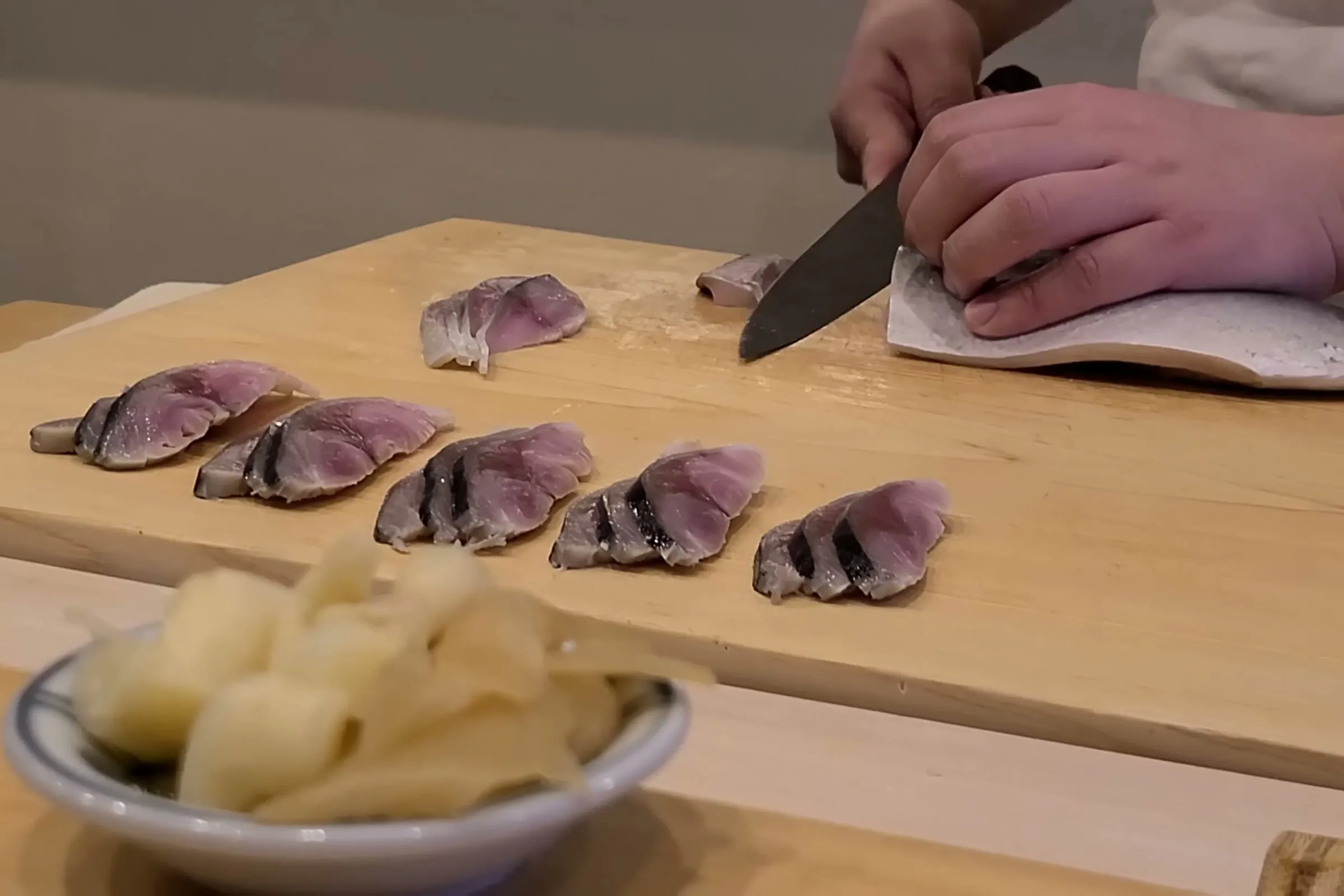
Some counters win on rice. Others win on pulling flavor out of the topping, and Shota is that kind. The akami zuke was chewy, sweet and salty, aged so well it tasted salt-cured before the soy, and I wanted another the second it was gone. The kohada had no anchovy smell at all. Hamaguri tender and sweet, saba really good, and filefish mixed with its own liver as a gunkan. Good salt work, all of it.
The rice wasn’t my style. A little soft, and it didn’t loosen well, though the seasoning is the kind nobody argues with. Small rice, small toppings, balanced at least. At Ranmaru on the same trip, the rice was so much better that I took back some of what I’d said about Shota.
What I paid: the dinner course was ¥13,000 (about US$120, 2020/03), about ¥18,000 with my extras and the service charge. Weekend lunch was ¥13,000 too. The chef said he wanted a counter where you eat, have a drink, hand over ¥20,000 and get change. He built it.
When I checked TableCheck (2026/11), Moon had handed the counter to a second chef, Yuhei Kono. The chef’s choice course was ¥17,600 and a special course ¥28,600, tax and service in, card required. Tabelog says bookings go through TableCheck only, no phone, lunch and dinner Tuesday to Saturday. Cancel within 48 hours and you pay 50%, within 24 hours 100%.
4. Ginza Kyubey, the one you can walk into
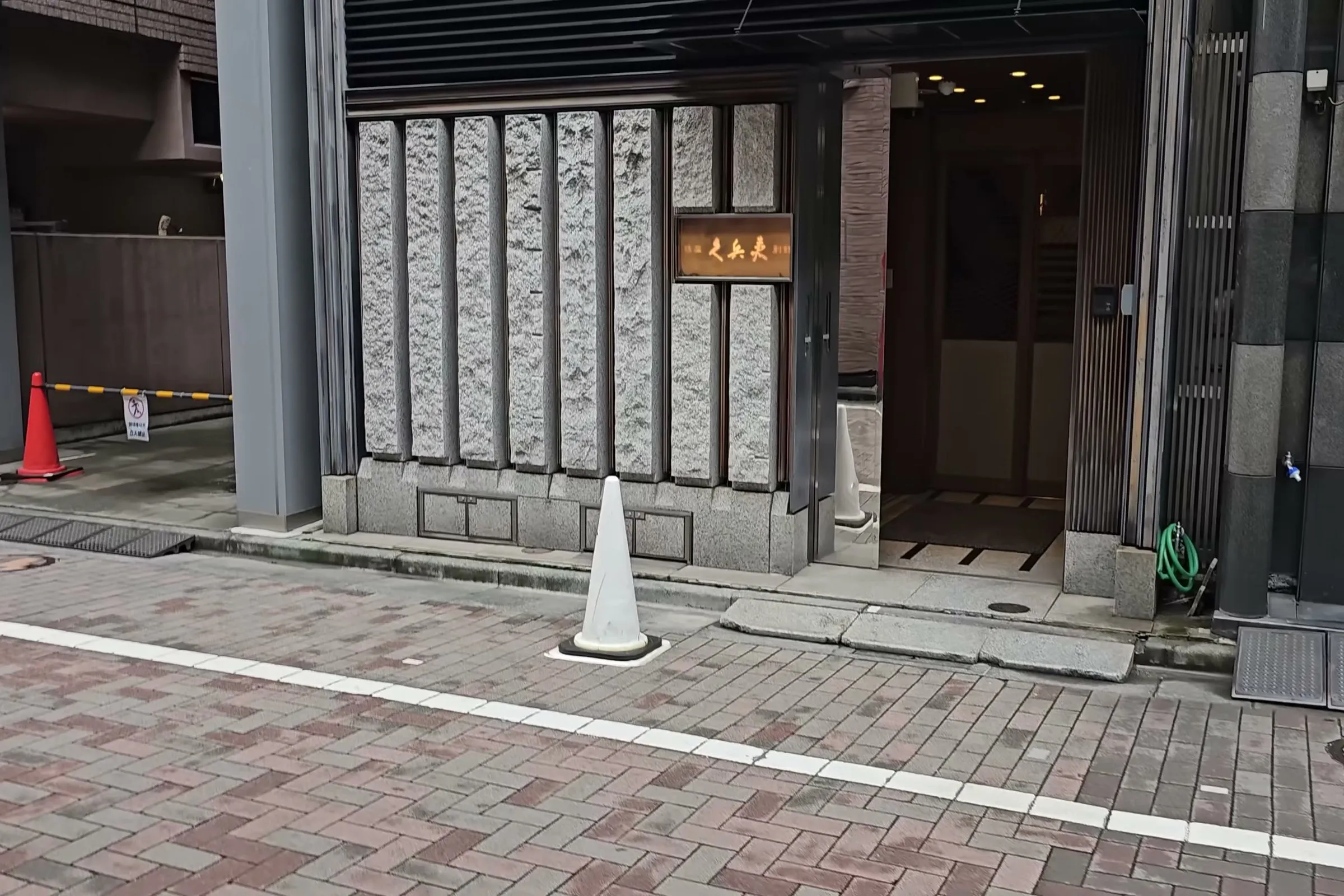
Ginza Kyubey is the old name near Shimbashi, open since 1935, the shop that came up with gunkan maki. It’s on this list because it’s the cheapest counter here and the only one I got into with no booking. Straight from the airport, my name on the list at 11:00, seated close to 13:00.
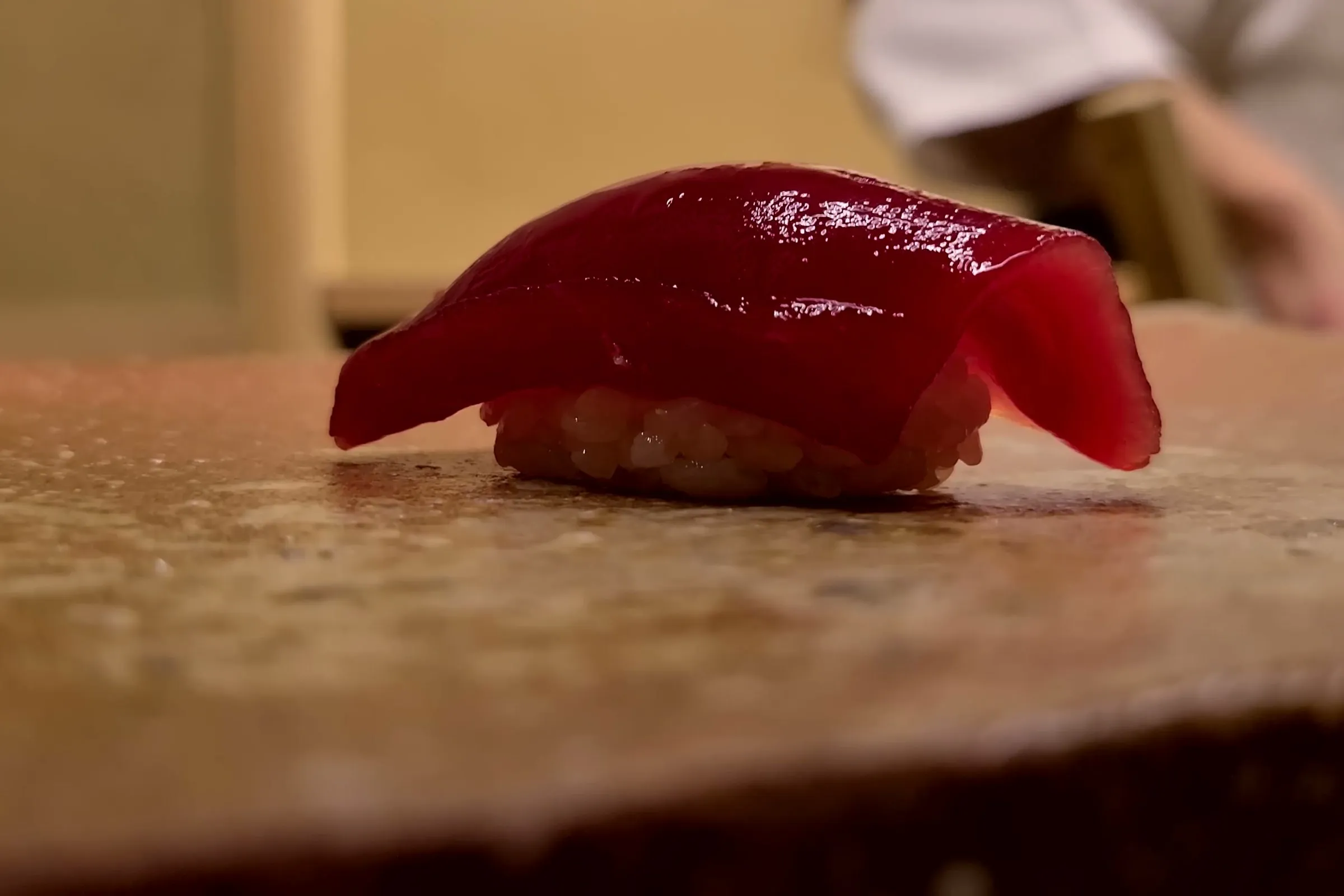
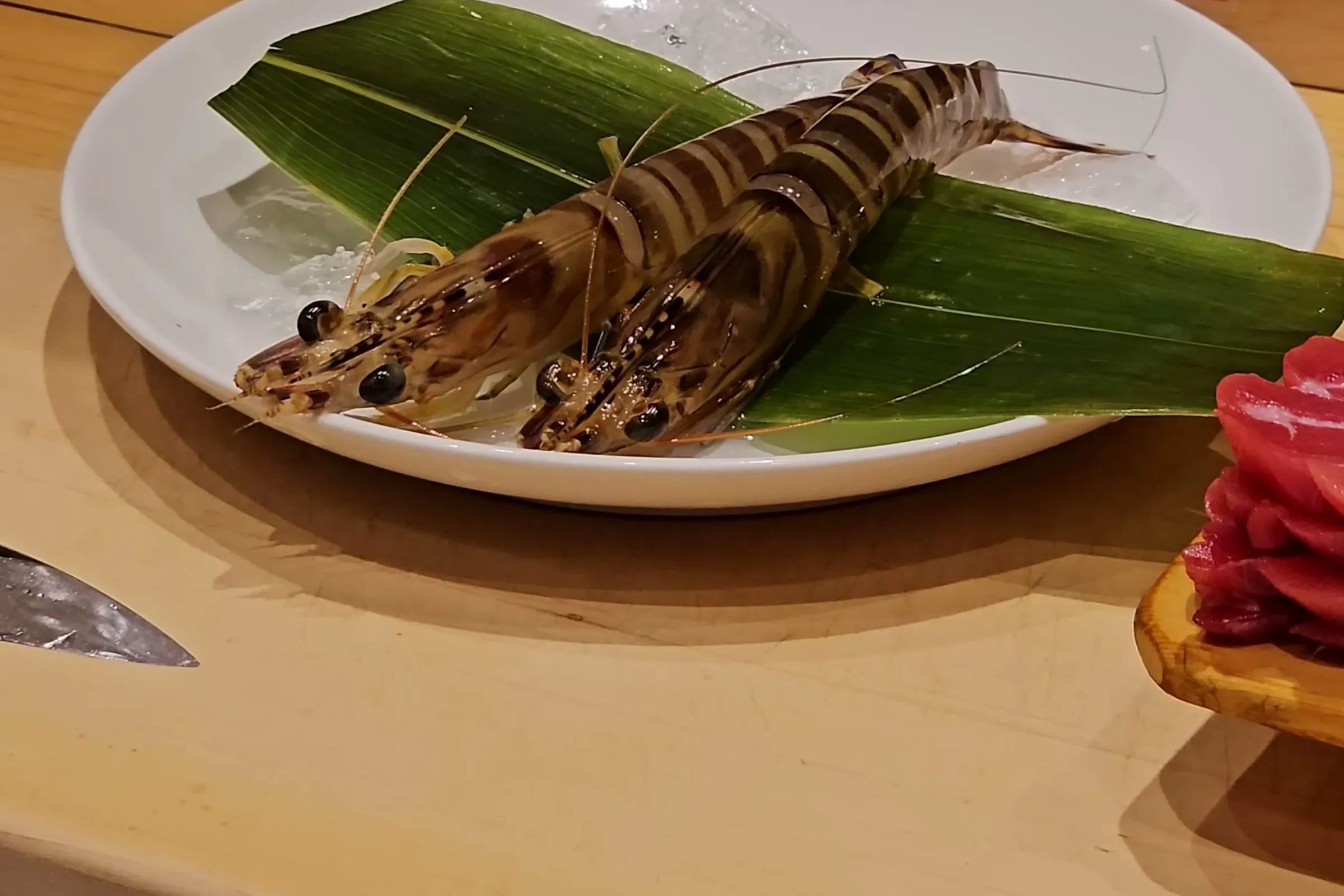
The cheapest nigiri lunch with a ginger ale came to ¥8,800 with tax (about US$60, 2023/10). The tuna was cold, and the rice was cold and soft, the way old shops do it. The scallop and the kuruma ebi, shown to me alive before they were cooked, were far better than the price. At Kyubey, shellfish beats fish.
When I checked the official page (2026/11), the Oribe nigiri lunch was still ¥8,250 and the Kyubey nigiri ¥16,500. Phone bookings from 10:00, lunch bookings only for 11:30, then seats as they free up. Closed Sundays and Mondays. The page doesn’t mention walk-ins, so treat my morning as luck.
Where this happenedGinza Kyubey→
5. Sushi Takeuchi, caviar on a ¥4,000 lunch
Sushi Takeuchi is an eight-seat counter in Daikanyama. I followed it on Instagram before it opened, watching the rice tests, and for a while it was the cheap counter I told everyone about. Low price, a good lineup, and rice that was good for the money.
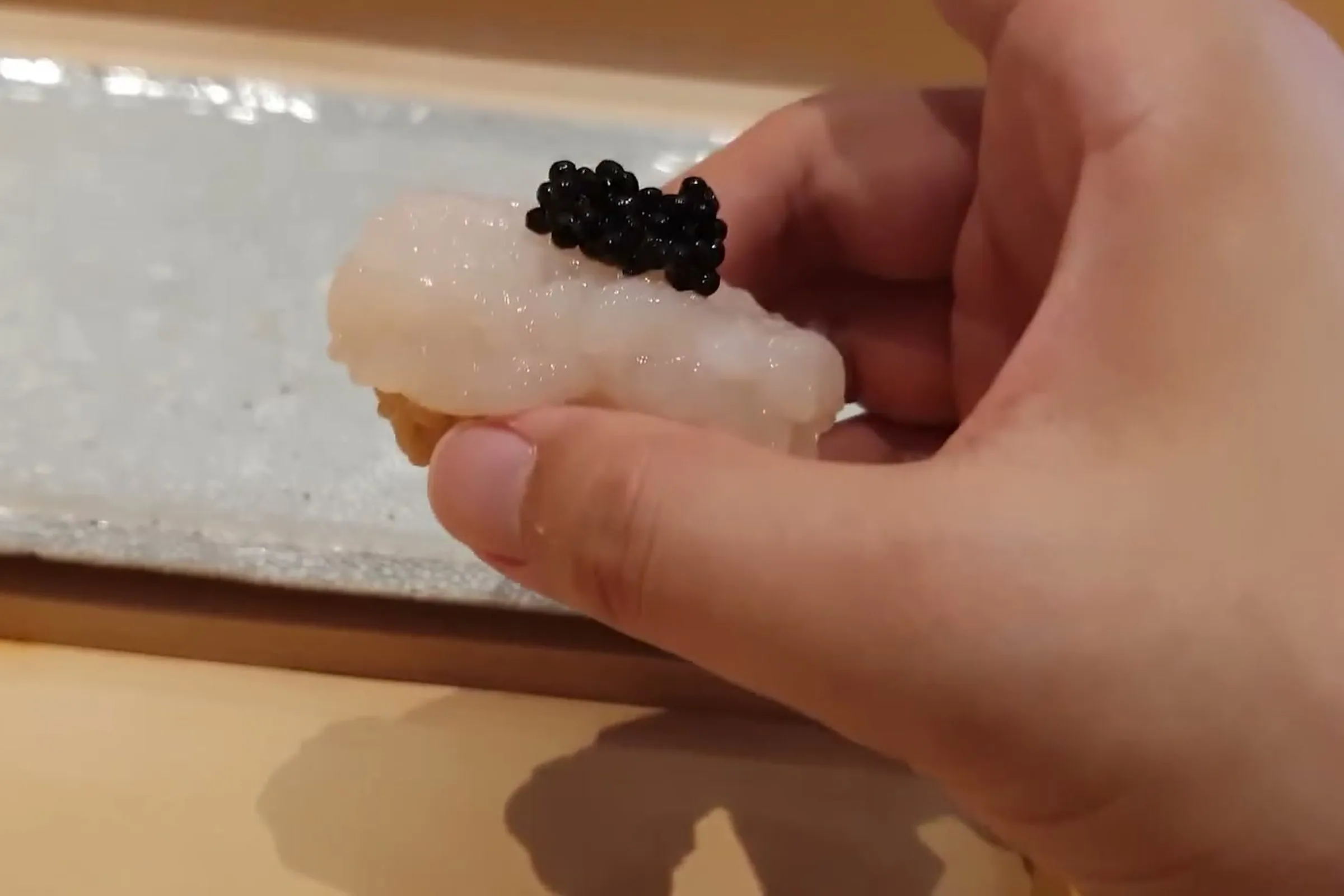
The lunch course was ¥4,000, ¥4,320 with the 8% tax of the time (about US$40, 2019/10). For that you got yuba, wakame with myoga, then nigiri, and one of them was shiro ebi with caviar on top. At ¥4,000. Good uni, shijimi miso soup, a tuna roll, and Shine Muscat to finish. The course was a bit shorter than on my first visits, and it still made no sense for the price.
The rice let me down that day. Overcooked, the grain surfaces split, and mixed with the vinegar so hard it went sticky, the texture I hate most. The rice balls are small too. I usually ask for bigger. With rice like that, I didn’t feel like asking.
It was easy to book, and full of Koreans I’d sent there. My line then: if you’re stuck with an empty slot and a tight budget, go without a second thought. Two meals like that and the flight pays for itself. By 2020/03 the price had gone up about 50%, I didn’t think it could compete anymore, and I stopped going.
It’s still there (2026/11), at the same address. Tabelog lists an eight-item dinner omakase at ¥19,800 and a lunch course with small dishes at ¥8,800, tax in. Dinner books online, lunch by phone only. Cancel from two days out and you pay it all. Closed Wednesdays and the second and fourth Thursdays.
6. Takagaki no Sushi, great fish, not my rice
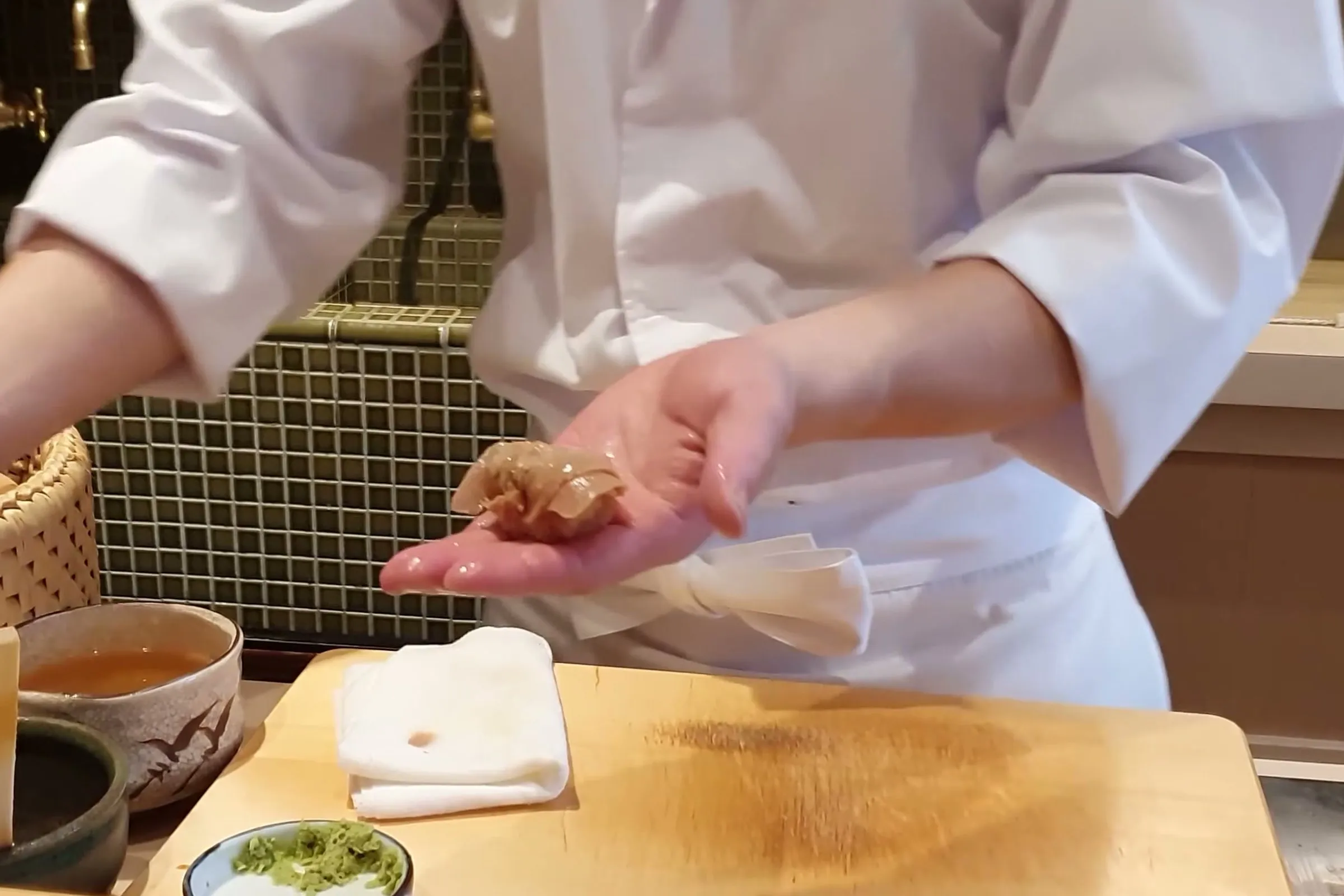
Takagaki no Sushi is a six-seat counter in an old house near Suitengumae. Lunch came to ¥9,000 with an uni extra (about US$80, 2019/08), and after its 2020 Michelin star, ¥11,000 with nothing added (about US$100, 2020/01). For that money the fish was great. Clean otoro, good kohada, hamaguri with dark tsume, and big nigiri you have to push in.
The rice is why I’m not going back. Soggy on the surface the first time, mixed to glue the second. And the ¥1,000 uni extra tasted bad. If you haven’t had much sushi in Japan, the price makes it an easy try. If your taste is close to mine, skip it.
The star is gone from the guide now. Tabelog listed lunch at ¥15,000 (2026/10), and OMAKASE listed one dinner omakase at ¥38,500, tax and service in (2026/11). Lunch runs Tuesday, Wednesday, Friday and Saturday from 12:00 or 12:30, and it’s closed Sundays.
Where this happenedTakagaki no Sushi→
Read nextMichelin-starred sushi in Tokyo, every counter I’ve eaten at→
7. Sushi Miura, the one that outgrew the list
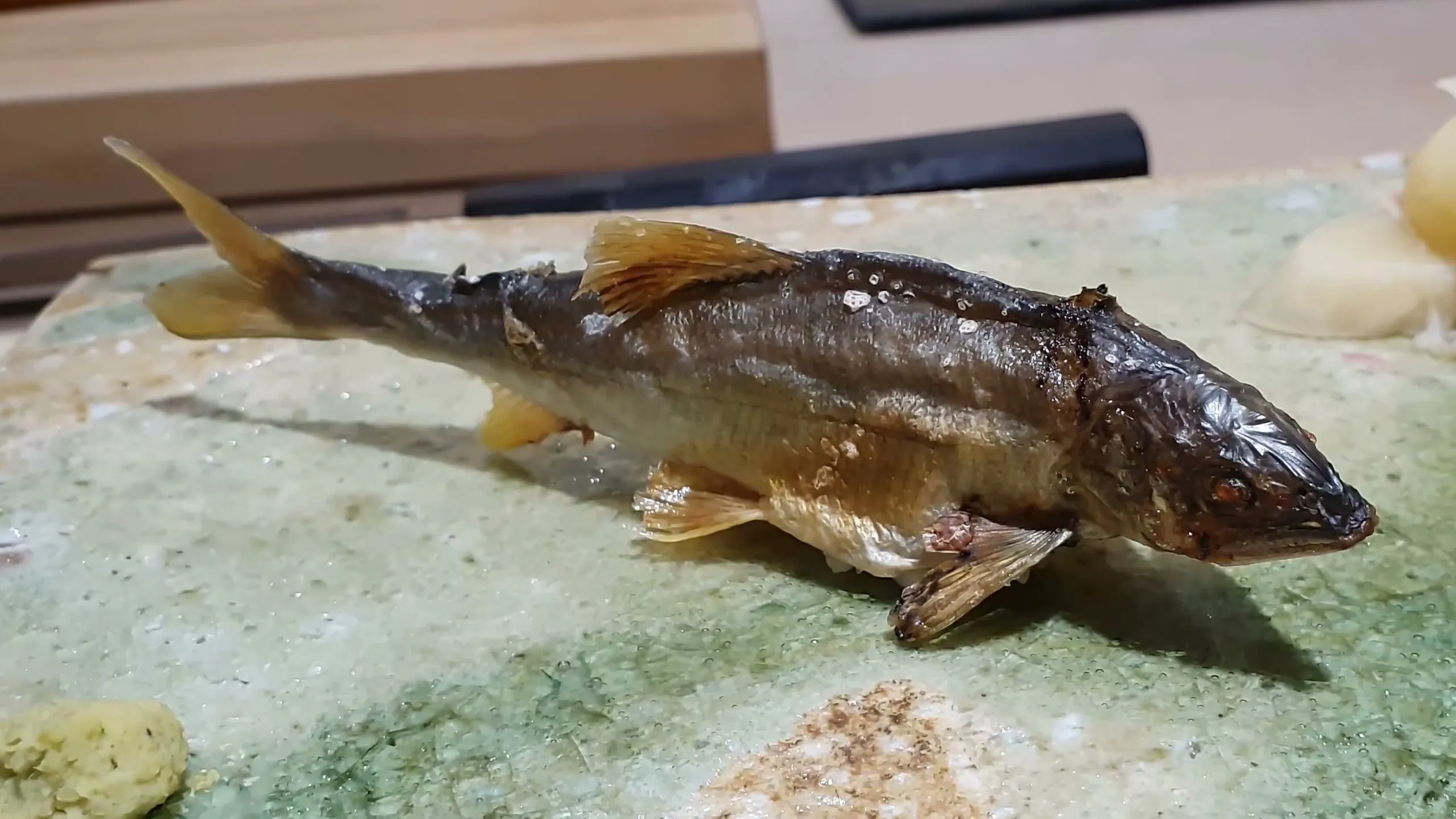
Sushi Miura is here for its first counter. In Azabu-Juban, on the fourth floor of a small building, dinner was ¥17,000 (about US$160, 2019/08), half of Arai or Namba back then. The best piece was a whole grilled ayu stuffed with rice. Tuna and uni are where cheap counters usually fall short, and his were great.
Then it moved to Akasaka and went up with the rest of Tokyo. ¥25,000 (about US$180, 2023/12), and the fish held up against Namba and Shimazu on the two nights before. Crab shinjo soup from his Kikunoi years, rice that had grown up, and a nikiri that was too salty. Michelin gave it a star for 2026.
When I checked TableCheck (2026/11), dinner was ¥33,000 and a lunch omakase ¥24,000, tax and service in, paid in advance online. That’s past ¥20,000. It’s still cheaper than the big names, and it’s the one on this list I’d stretch the budget for.
Where this happenedSushi Miura→
Read nextMichelin-starred sushi in Tokyo, every counter I’ve eaten at→
What you give up under ¥20,000, and what you don’t
The rice is the gamble. At this price it’s where counters slip. Takeuchi’s was overcooked and sticky (2019/10). Shota’s was soft and didn’t loosen (2020/03). Takagaki’s was soggy on one visit and over-mixed on the next. Kyubey’s was cold. Komari and Ranmaru were the exceptions, and that’s why they’re at the top.
Tuna and uni follow the price. Takagaki’s uni extra looked beautiful and tasted bad. Ranmaru put a cheaper uni on the ¥6,000 lunch, and in 2019 I said its tuna wasn’t great for the price. Komari got Oma bluefin under ¥20,000 by buying the back of the fish instead of the belly.
Size and length go too. Komari, Shota and Takeuchi make small nigiri, a cheap lunch goes straight to nigiri, and Shota’s dinner had only a few small plates before the sushi.
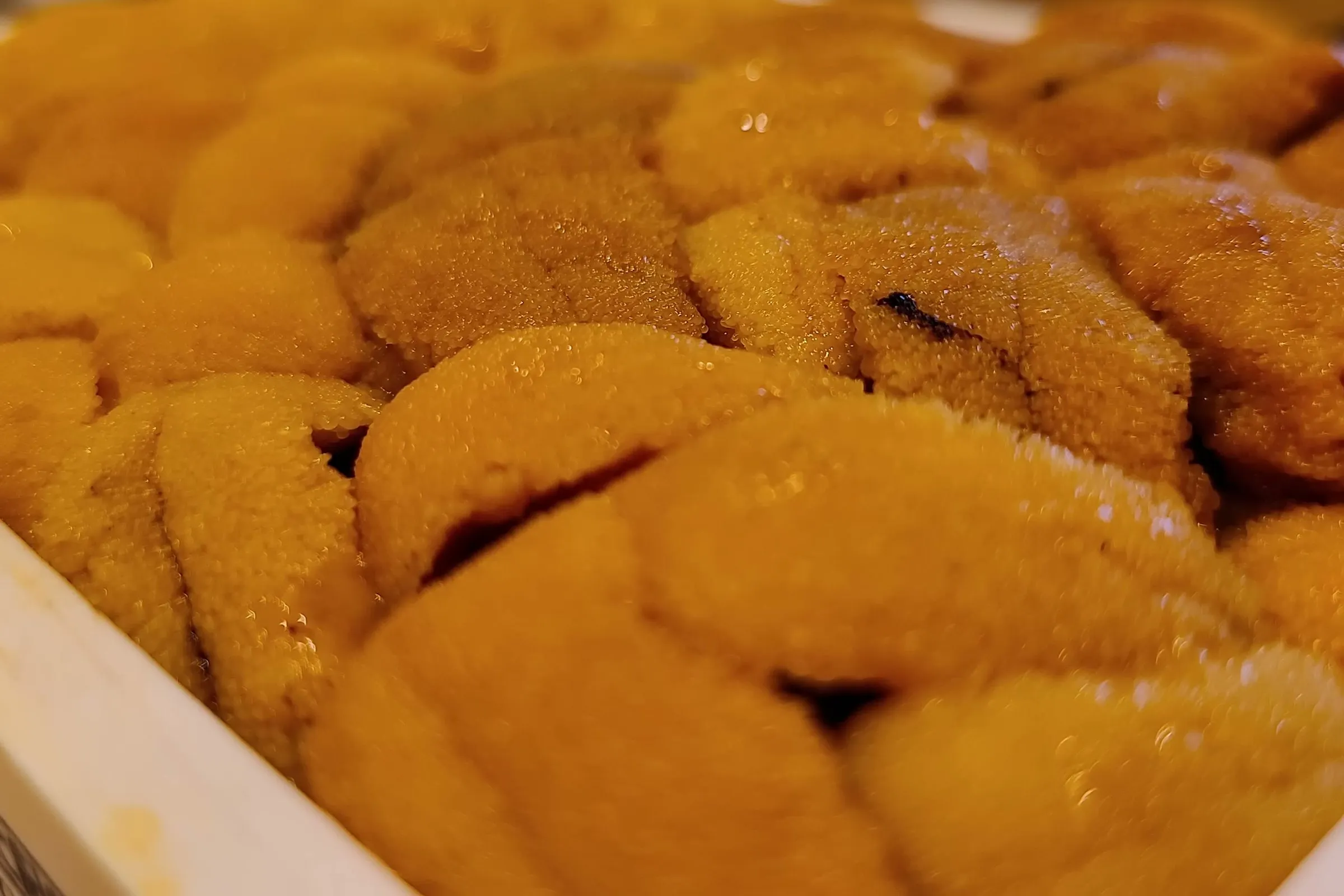
What you don’t give up is the fish. In 2019/10 I said Japan’s markets treat every fish as a product. No nicks on the skin, wrapped in paper, then in a plastic bag, then set on the ice, so the ice never touches the flesh and the flavor doesn’t wash out. In Korea the fish lie right on melting ice. That’s why a ¥4,000 lunch in Tokyo had toppings that beat twice the price at home, and why Kyubey’s shellfish and Shota’s salt-cured fish beat their price.
Where this happenedTakagaki no Sushi→Ginza Kyubey→
Booking the cheaper counters
Most of these were easy when I went. Komari’s manager came to me. Takeuchi was easy and friendly to Koreans. Shota had one guest booked the night after my dinner. I walked into Kyubey. Ranmaru is the one that changed, and it’s referral-only now.
What each one listed when I checked, per person with tax. Book lunch when there’s a lunch, it’s the cheapest seat. And read the listing the week you go, because cheap counters move fastest. Miura went from ¥17,000 to a Michelin star in six years.
| Counter | Listed now | How to book |
|---|---|---|
| Sushi Komari | Omakase ¥19,800, nigiri course ¥16,500, lunch omakase ¥19,800 | Tabelog online. Closed Sundays |
| Ranmaru | Lunch ¥15,000, or ¥18,000 with the head chef, dinner ¥30,000, plus 10% service | Referral-only, but new guests can book Tabelog’s cancellation seats. Closed Sundays and Mondays |
| Sushiya Shota | Chef’s choice ¥17,600, special ¥28,600, service in | TableCheck only, card required. 50% within 48 hours, 100% within 24 hours |
| Ginza Kyubey | Oribe nigiri lunch ¥8,250, Kyubey nigiri ¥16,500 | Phone from 10:00, lunch bookings for 11:30 only, or the list at the door |
| Sushi Takeuchi | Lunch ¥8,800, dinner omakase ¥19,800 | Dinner on Tabelog or OMAKASE, lunch by phone only. 100% from two days out |
| Takagaki no Sushi | Lunch ¥15,000 (2026/10), dinner omakase ¥38,500 | Tabelog or the phone, OMAKASE for dinner. Closed Sundays |
| Sushi Miura | Lunch ¥24,000, dinner ¥33,000, service in | TableCheck, paid in advance |
Read nextHow to book omakase in Tokyo when every famous counter says full→Seven ways to book sushi in Tokyo, and what each one costs you→
When to pay more
Pay more when tuna and uni are the point. Komari got Oma bluefin under ¥20,000 by buying the back of the fish. The belly block, harakami ichiban, costs more.
Pay more when rice is the point. Of the seven, Komari and Ranmaru were the only two whose rice I loved at these prices.
And pay more once a trip, for the counter you came for. The chef who made my ¥6,000 Ranmaru lunch runs Shimazu now, with dinner from ¥38,500 (2026/10). Then fill the empty slots with counters like these. That’s what I’ve always used them for.
Where this happenedSushi Shimazu→
Read nextThe best sushi in Tokyo, ranked after ten years of going back→What omakase costs in Tokyo now, from ten years of my own bills→
Plan the Tokyo trip
The boring bits I’d sort before flying, so the eating days stay free.
- Hotels in Tokyo*
Pick the room by where you eat, not by the sights. After a long dinner, a short ride back is the real luxury.
- Japan eSIM*
Data from the moment you land, no counter and no SIM swap. Set it up the night before.
- Keisei Skyliner from Narita*
Narita to Ueno in about 40 minutes. Buy it ahead and walk straight to the platform.
- Haneda airport limousine bus*
Landing at Haneda instead? The limousine bus drops you at the big hotels and stations with no transfers.
- Tsukiji Outer Market food tour*
A market morning with someone who knows which stalls are worth the line.
- Sushi-making class at Tsukiji*
Shape nigiri yourself once and the counter makes a lot more sense.
Links marked * are affiliate links. If you book through them I may earn a small commission, and you pay the same. How it works
The videos this guide comes from
- A crazy-value omakase from Japan’s biggest fish otaku | Sushi Komari11:412022/12
- When in Tokyo, this restaurant is a must go!! | Ranmaru10:572020/04
- The best option when you can’t reserve the famous sushi places in Japan | Sushi Ranmaru16:142019/10
- A Korean chef in charge of Sushi Omakase in Tokyo!! [Sushiya Shota]10:212020/03
- Sushi omakase at this price, in the middle of Ginza?!12:092023/10
- Caviar on a $35 sushi omakase in Tokyo? | Sushi Takeuchi11:242019/10
- The great value, classic sushi omakase in Tokyo | Takagaki no Sushi14:012019/08
- A tiny one-Michelin-star sushi counter in Tokyo | Takagaki no Sushi6:382020/01
- Insane quality ingredients for the price | Sushi Miura, Tokyo13:112019/08
- A new sushi restaurant in Tokyo that’s perfect for anyone | Sushi Miura21:542023/12
Sources
- 鮨 こまり Tabelog
- 鮨 こまり 一休.comレストラン
- らんまる Tabelog
- すし家 祥太 reservations TableCheck
- すし家 祥太 Tabelog
- 江戸前鮨に惚れ込み来日した気鋭の職人!麻布十番「すし家 祥太」 sushi-blog.com
- 代官山 鮨 たけうち Tabelog
- Daikanyama Sushi Takeuchi OMAKASE
- 代官山 鮨 たけうち 一休.comレストラン
- 銀座 久兵衛 本店 Ginza Kyubey
- 鮨 みうら reservations TableCheck
- 高柿の鮨 Tabelog
- Takagaki no Sushi OMAKASE
- Japanese Yen to U.S. Dollar Spot Exchange Rate (AEXJPUS) FRED, Federal Reserve Bank of St. Louis